



Textiles played a central role in shaping the look and feeling of the American home in the 1930s, 1940s, and 1950s. Fabric brought color, pattern, texture, and personality into rooms that were otherwise defined by wood, metal, ceramic, glass, and painted surfaces. Drapery, upholstery, slipcovers, bedspreads, table linens, barkcloth, printed cottons, and woven materials all helped translate broader design trends into everyday domestic life.
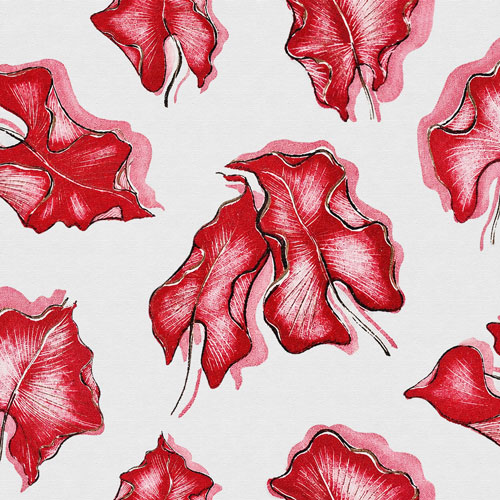
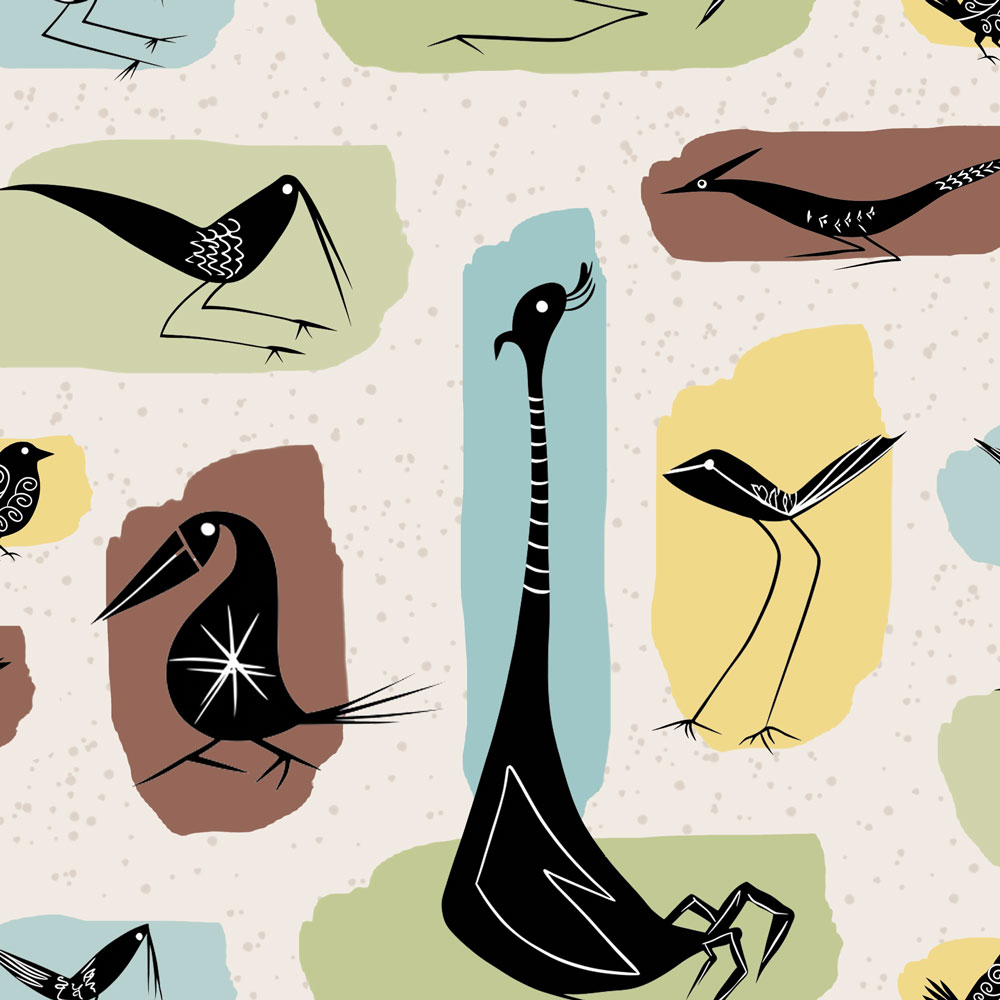
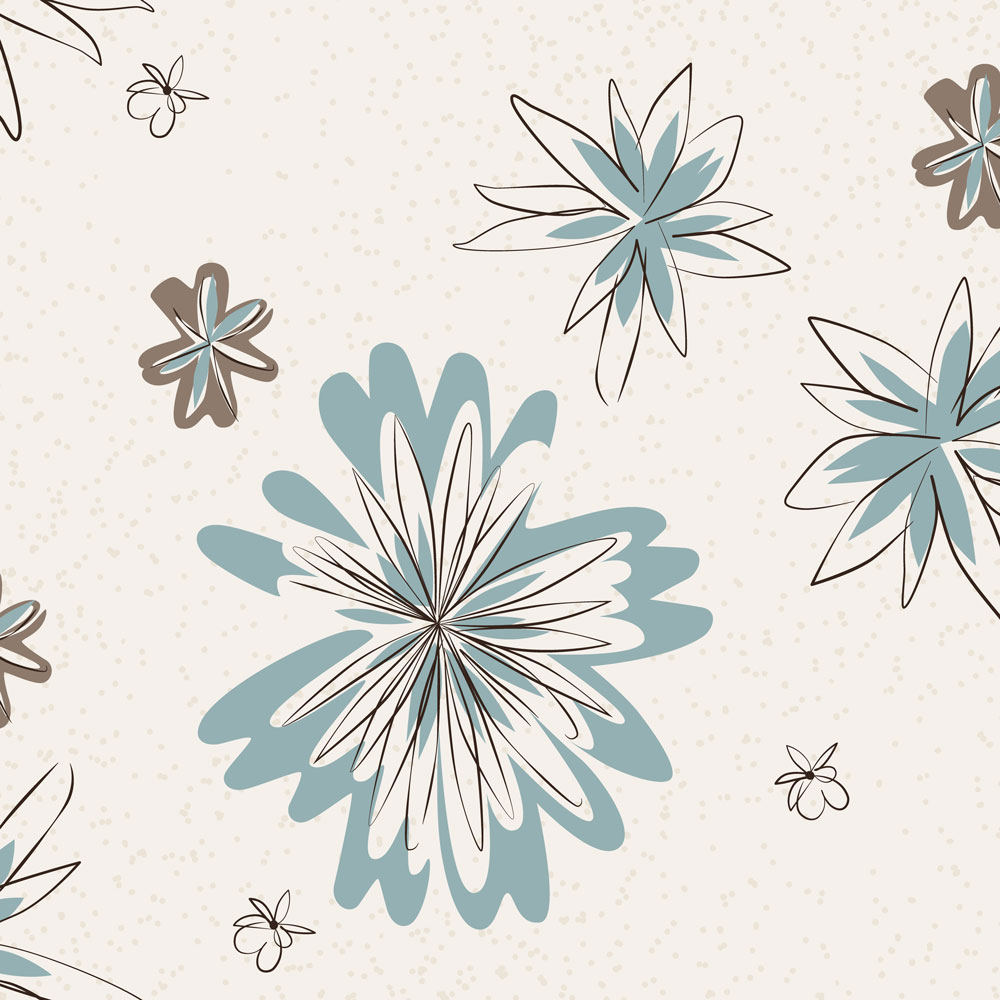
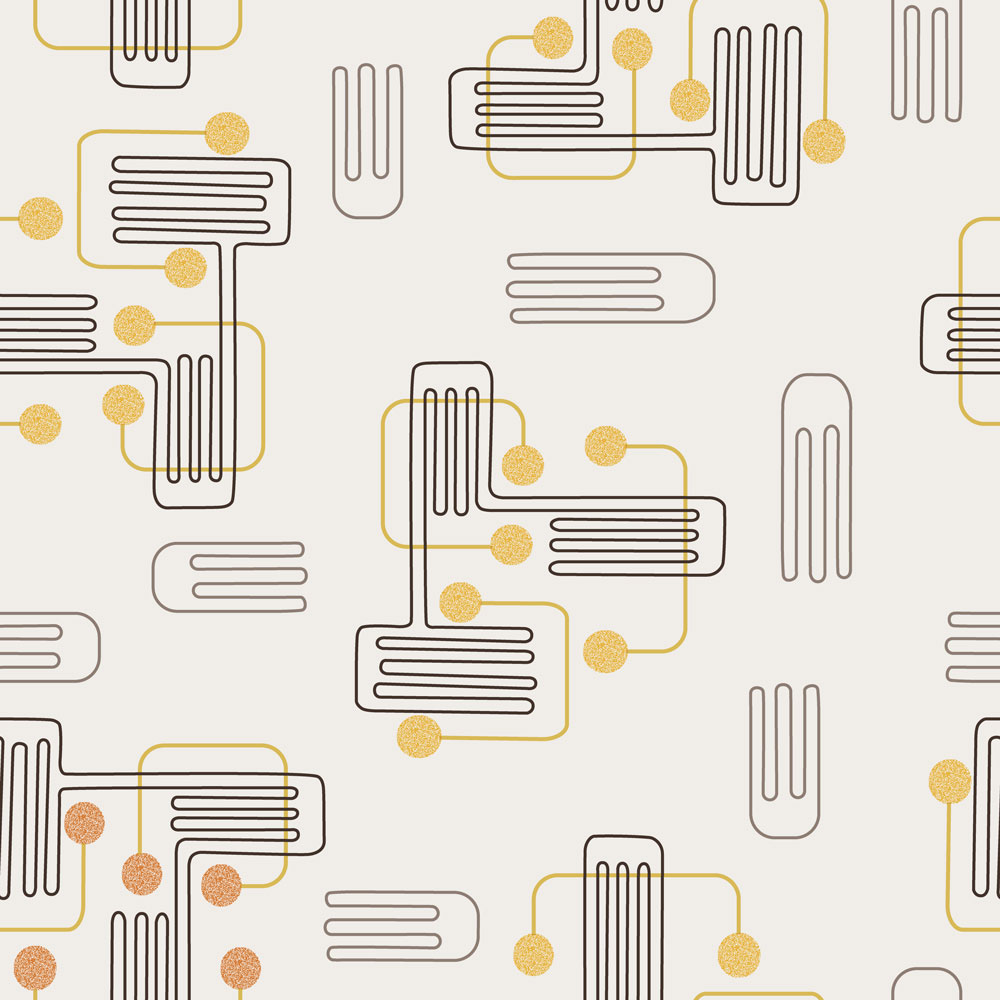
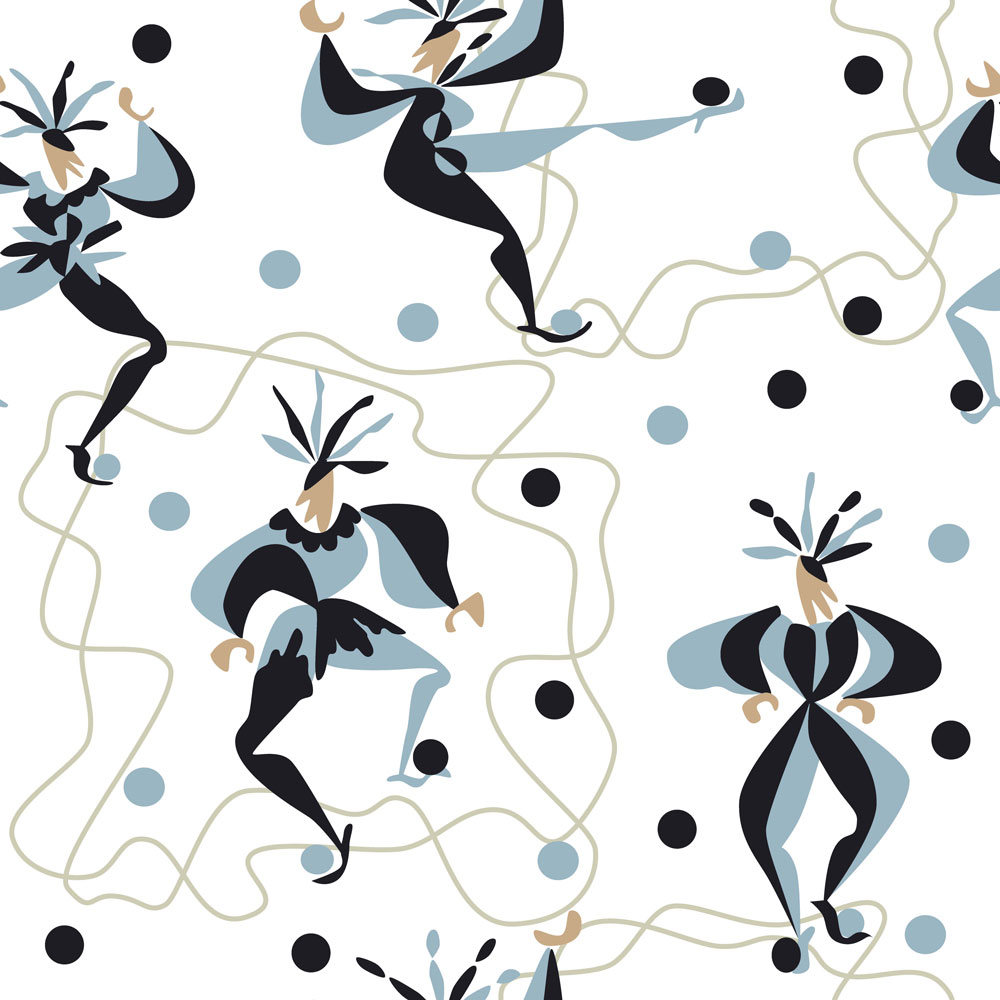
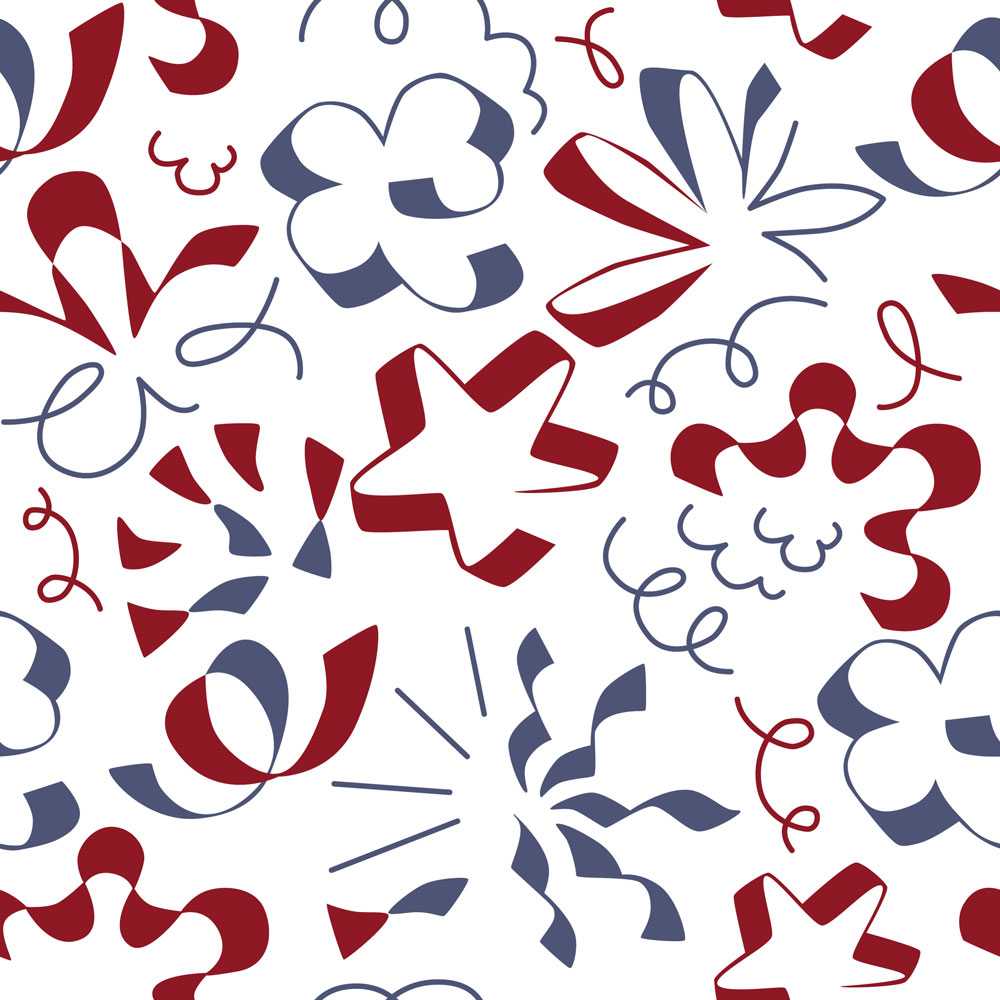
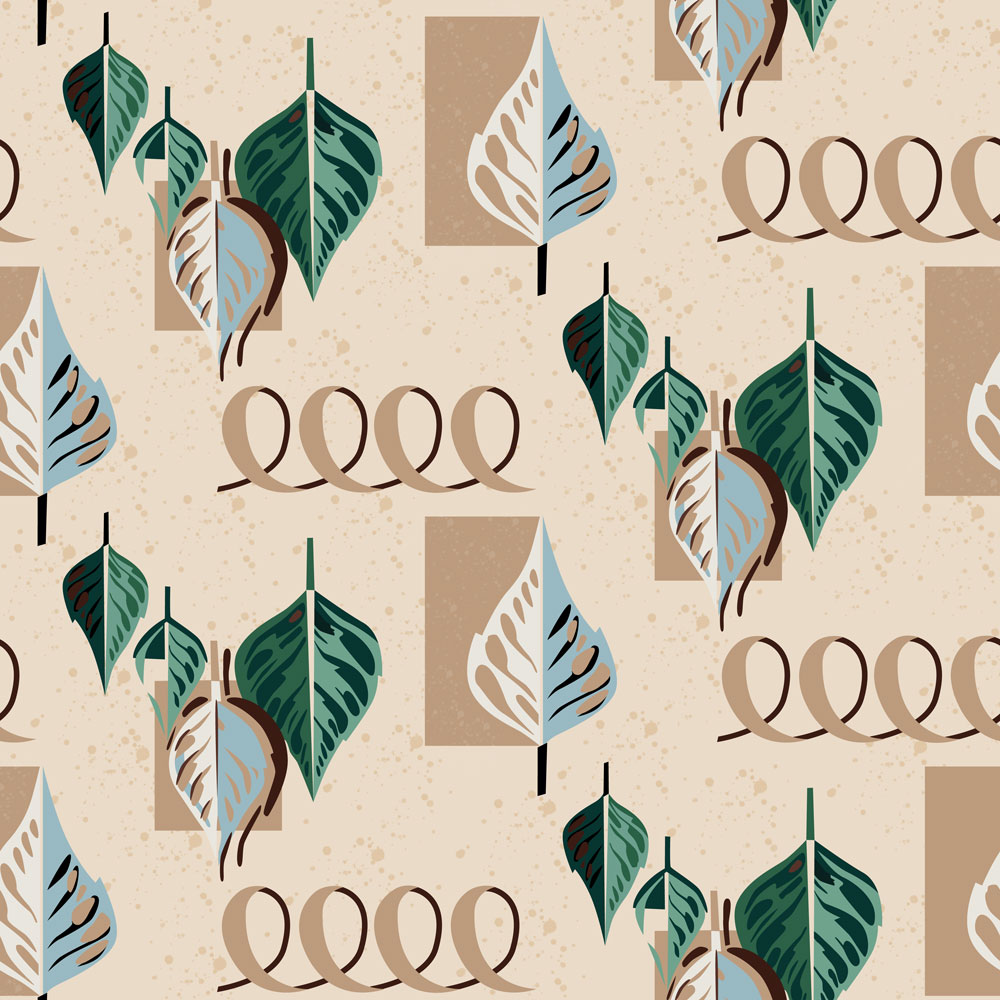
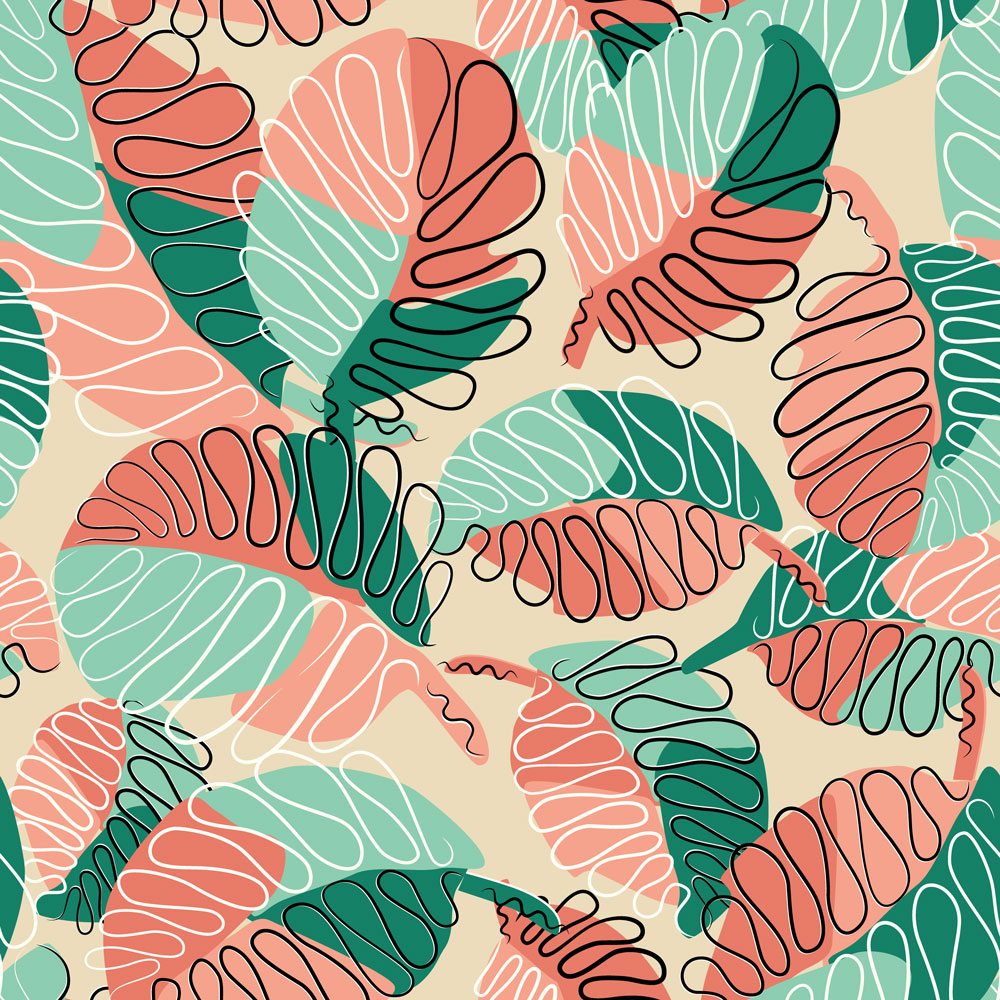
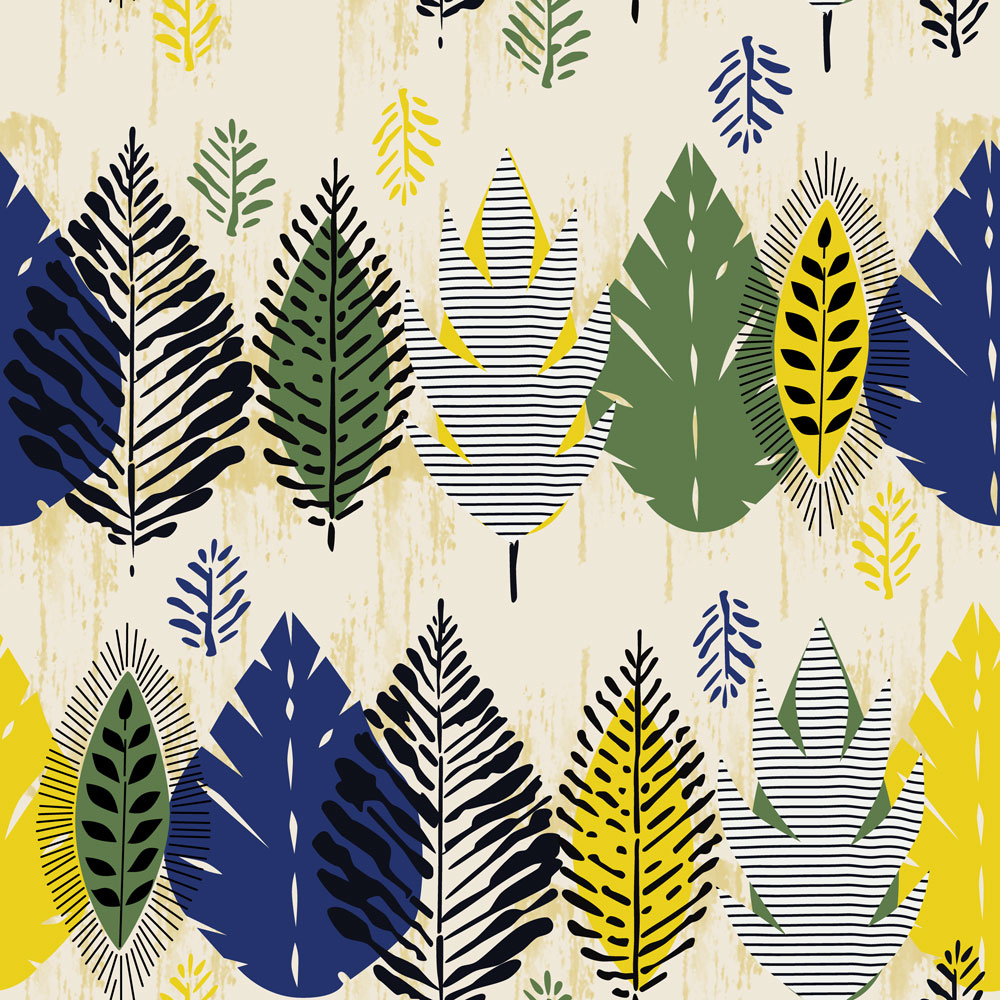
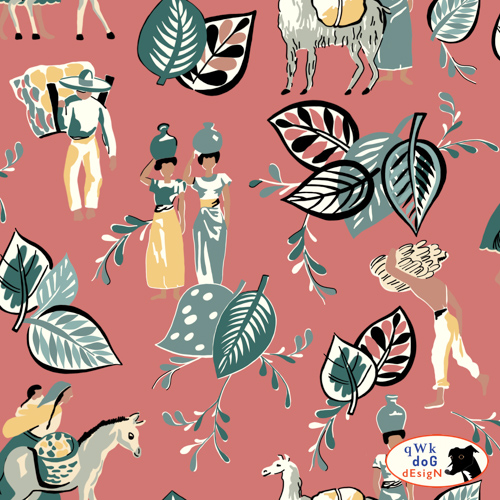
This section explores vintage textiles as both decorative objects and design records. Patterns from the period often reflected the visual language of their time, from florals, tropicals, and scenic prints to abstract modernist designs, atomic motifs, stripes, geometrics, and novelty patterns. These fabrics were not simply background material. They helped set the mood of a room, connect furniture and accessories, and express changing ideas about comfort, informality, and modern living.
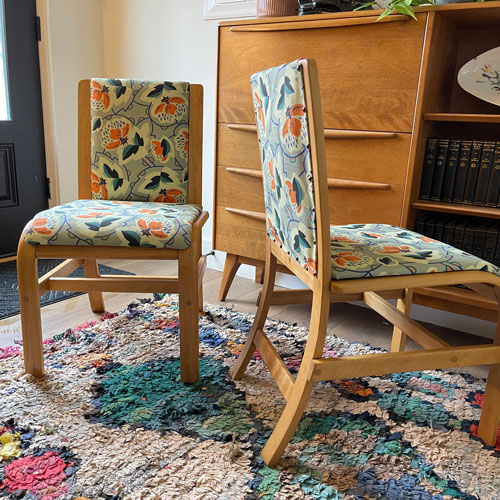
The study of textiles also reveals the practical side of mid-century decorating. Fabric was one of the most adaptable tools available to homeowners and decorators. A chair could be reimagined through upholstery, a room could be refreshed with new curtains, and a printed textile could bring a strong design statement into an otherwise modest interior. In this way, textiles often carried some of the most immediate and personal expressions of style.
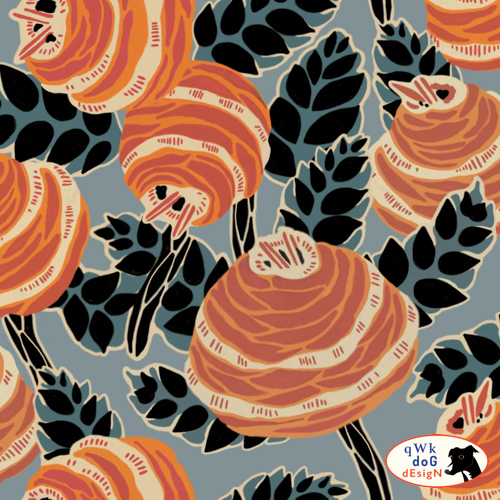
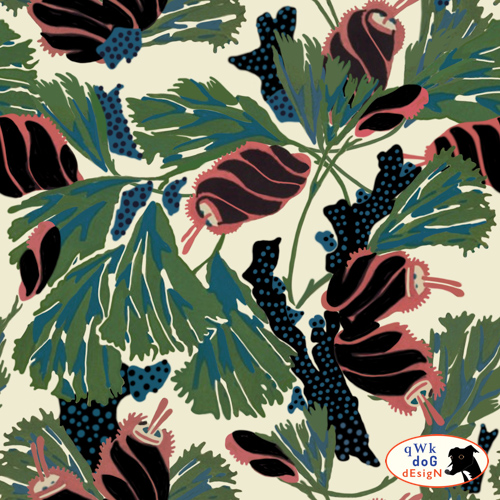
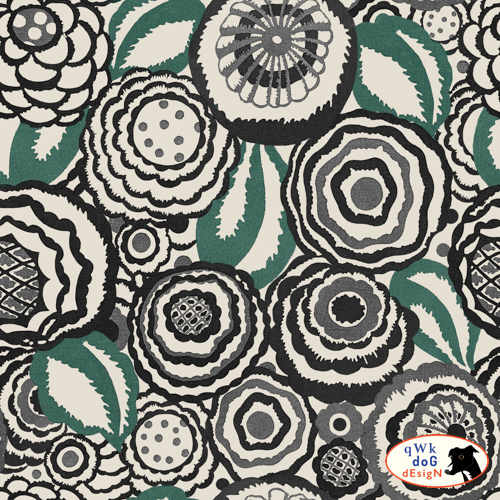
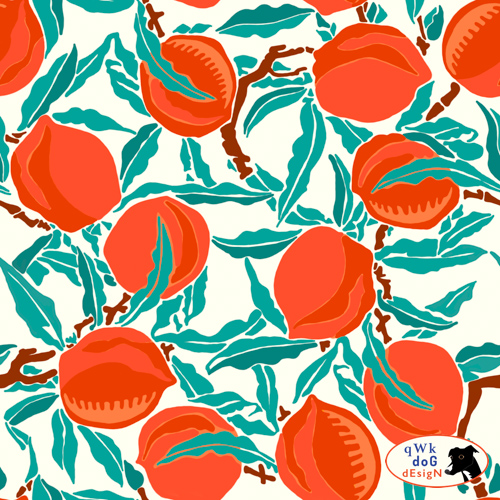
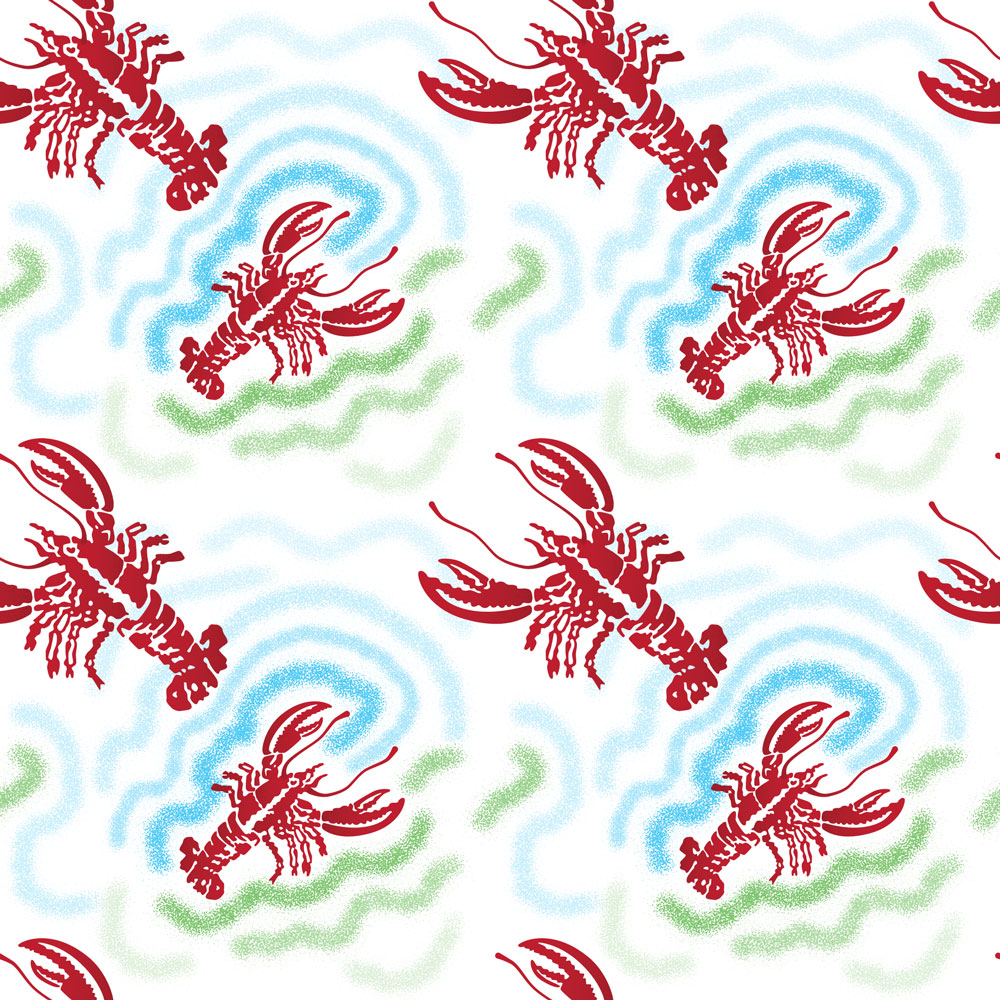
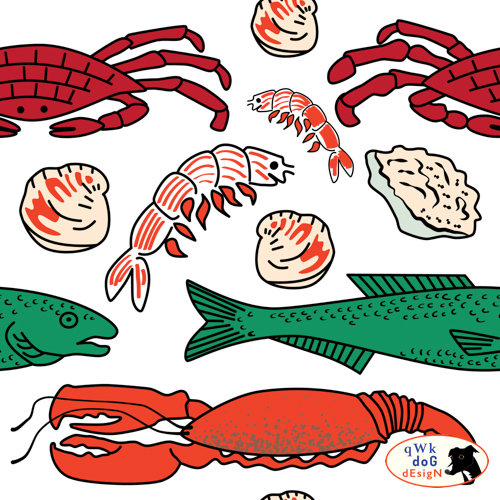
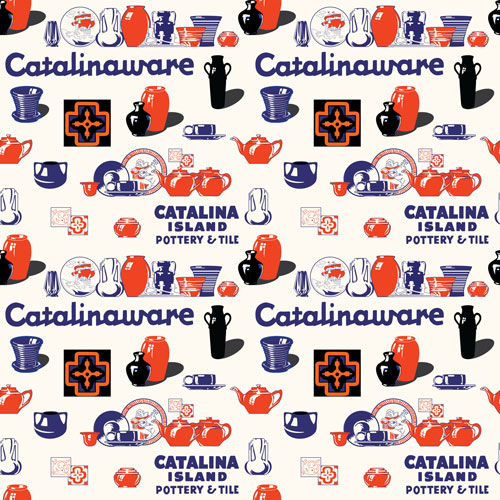
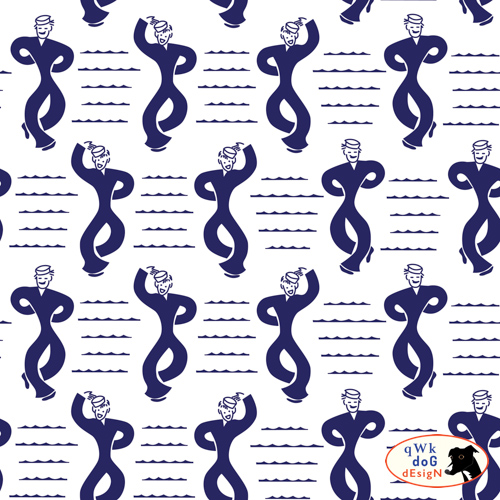
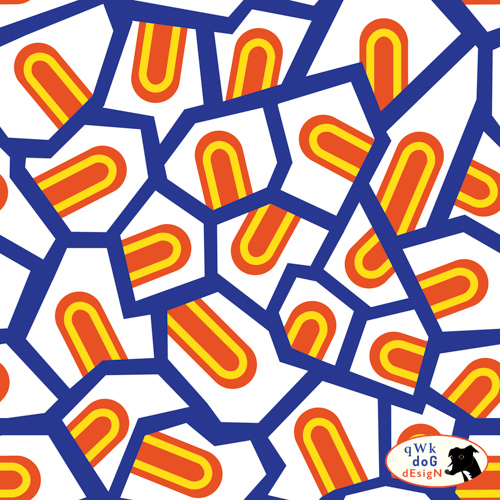
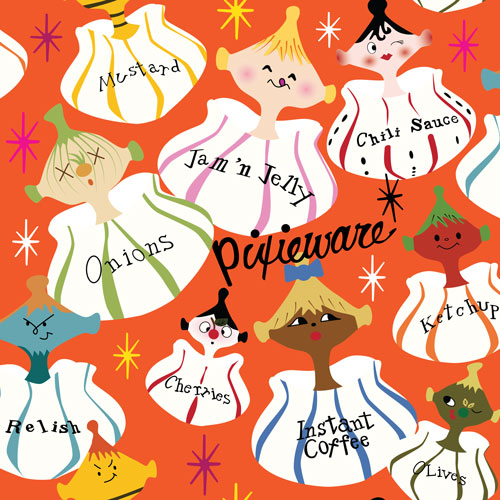
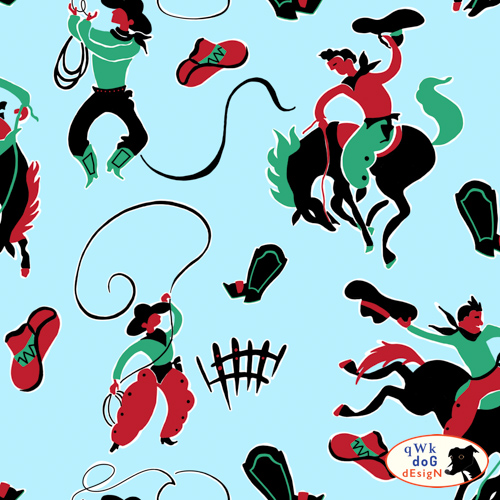
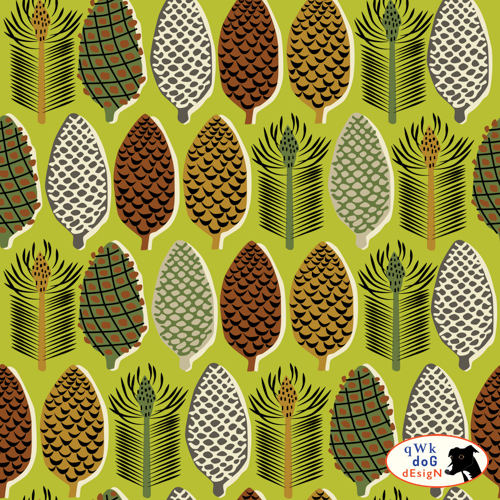
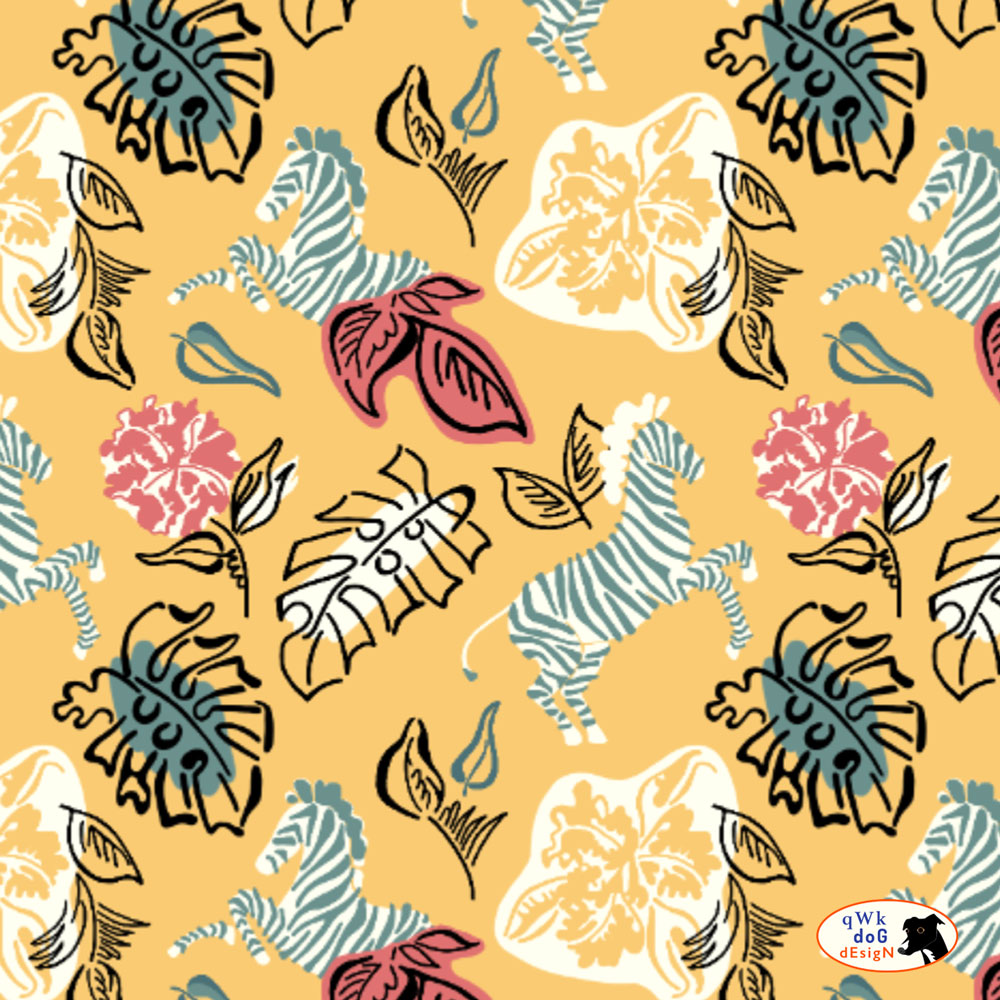
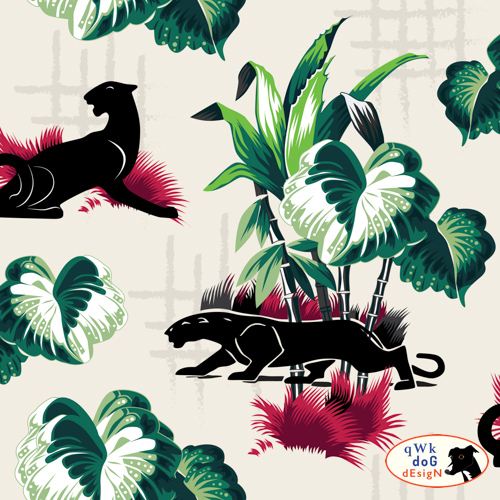
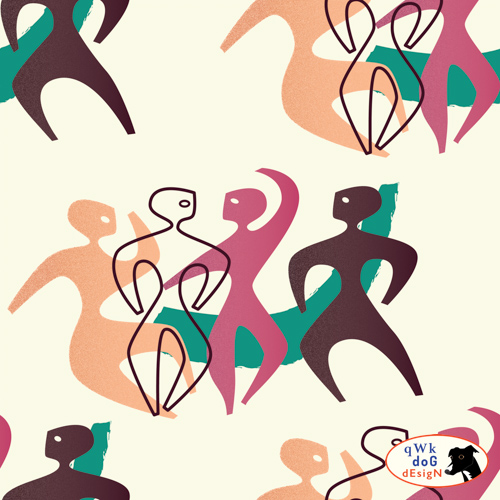
My interest in vintage textiles also extends into design work. Using original period fabrics, catalog images, surviving samples, and historical references, I create digitally restored and reproduction-inspired textile designs that preserve the spirit of the originals while making them usable again. This work is part research, part restoration, and part creative interpretation, especially when a pattern survives only in fragments, faded examples, or printed documentation.
This page serves as a starting point for articles, research, visual studies, and design projects related to vintage textiles. The focus is on materials, patterns, manufacturers, and the role of fabric in American interiors from the 1930s through the 1950s, with particular attention to how historic textile design can be studied, restored, and reimagined for contemporary use.