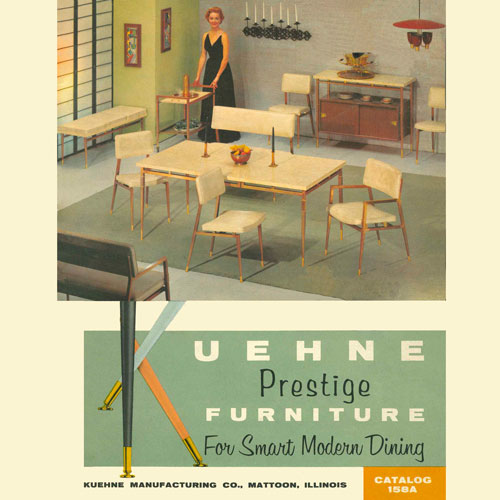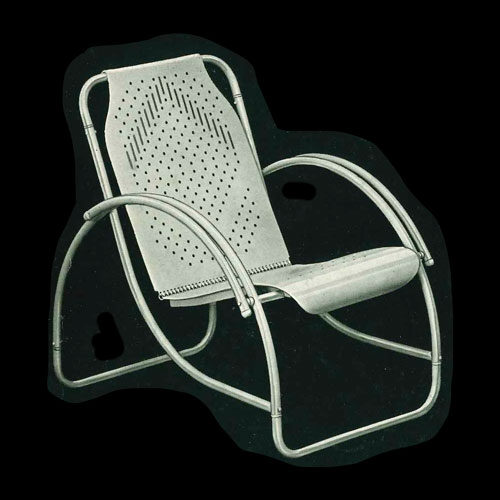




In late 2025, I started a large digital restoration project focused on period furniture and design ephemera, including catalogs, brochures, price lists, advertisements, and trade publications. These pieces were never meant to survive forever. Most were working documents, handled by salespeople, dealers, decorators, or customers, then folded into drawers, marked up, mailed around, or thrown away when the next line came out.

The project started because generative AI image models had reached a point where high-quality image reproduction was possible. I had originally wanted to redo the Heywood-Wakefield collectors books and organize the material in a more logical way. Along the way, I discovered several public archives where old catalogs were freely available, which expanded the project well beyond Heywood-Wakefield. AI has been useful for image repair and reproduction, but the real restoration work still takes time. The layout, cleanup, and text work are done in Adobe Photoshop and InDesign.

Catalogs often tell us things the objects alone cannot: the original name of a line, the available finishes, the way a company described its own designs, the rooms or lifestyles it was selling into, and how pieces were meant to work together. For furniture and dinnerware especially, catalogs can be the missing link between an individual object and the larger design and manufacturing story around it.

Surviving materials, though, are often rough. Pages may be yellowed, stained, torn, faded, crooked, or marked with dealer notations. Some were printed on inexpensive paper that darkened over time. Others have rusted staples, water damage, missing corners, or uneven scans. Digital restoration makes these documents easier to read and share while still preserving the character of the original. In many catalogs, I have also colorized images in period-appropriate colors, which helps bring the original designs back into clearer view.

This work matters because so much American design history survives only in fragments. Many midcentury and earlier manufacturers did not leave behind complete archives. Companies closed, records were lost, and many product lines were documented only in trade catalogs, price lists, or magazine ads. A single catalog can confirm dates, show alternate configurations, identify rare forms, or reveal how a company positioned itself in the market. Restoring and sharing these materials makes them more useful for collectors, researchers, restorers, and anyone trying to understand how these objects fit into the broader history of American design.

It is also not just about the objects. These materials are part of graphic design history as well: the layouts, typography, colors, photography, and selling language all reflect the period in which they were made.

Restoring a catalog also changes how I look at the objects themselves. The process forces you to slow down. You notice the room settings, the pricing structure, the way certain pieces are repeated across pages, and the small details that might be missed in a quick scan. Sometimes a catalog answers a question. Sometimes it raises new ones. Either way, it becomes part of the research process rather than just an illustration.

Digital restoration is both preservation and access. It takes something fragile and often privately held and makes it easier to study without repeatedly handling the original. It also gives these materials a second life online, where they can be connected to surviving objects, company histories, restoration projects, and design references.

For me, collecting is not just about owning the object. It is about rebuilding the context around it. The catalog, the advertisement, the finish chart, the dealer sheet, and the factory photo all help tell the story. Digital restoration is one way to keep that story visible.


Curtis Kitchens: Planning the Modern Kitchen

Curtis Companies, based in Clinton, Iowa, was already known for architectural woodwork, millwork, doors, windows, and built-in home components. By...

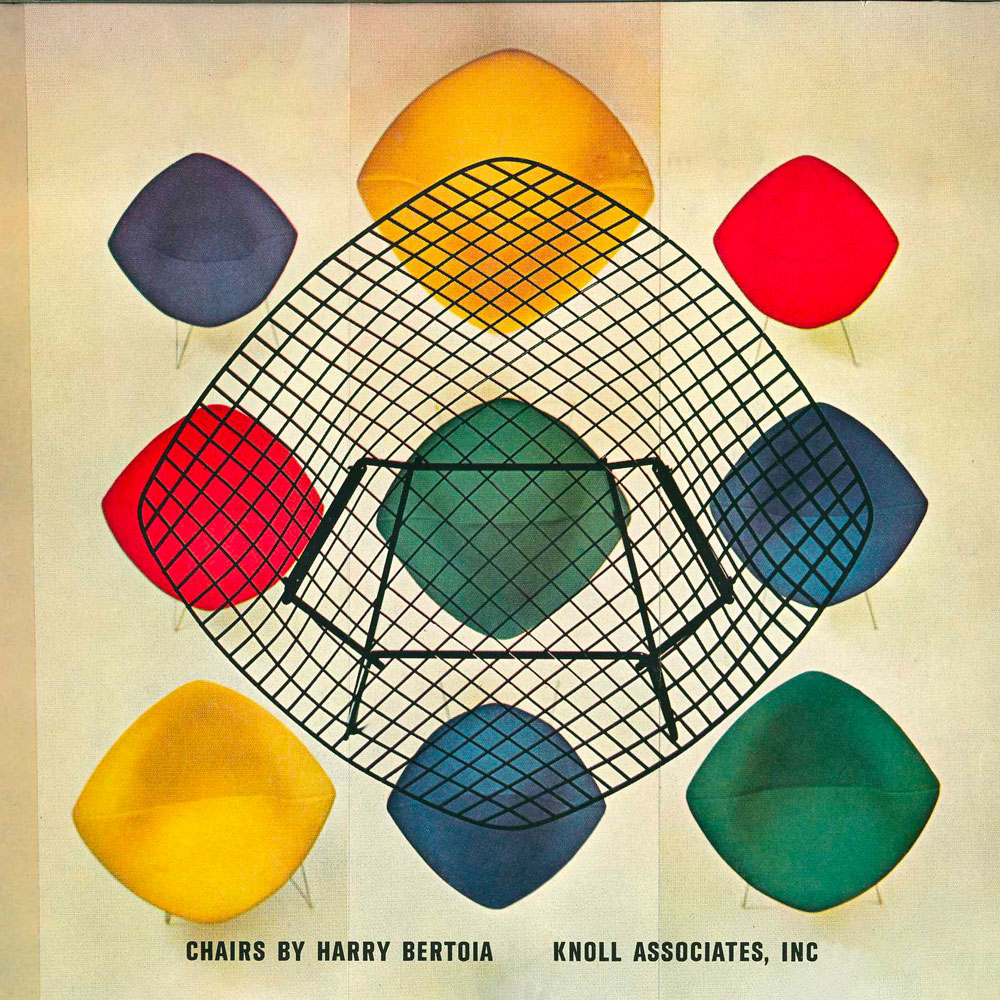
Harry Bertoia for Knoll, 1962

The 1962 Knoll catalog for Harry Bertoia’s chairs captures a well-established modern design classic at the point where it had...

Knoll in 1949: Modern Design As a System

The 1949 Knoll catalog captures the company at an important early point, when Knoll was helping move modern design from...

Eero Saarinen’s Pedestal Collection: Knoll 1970

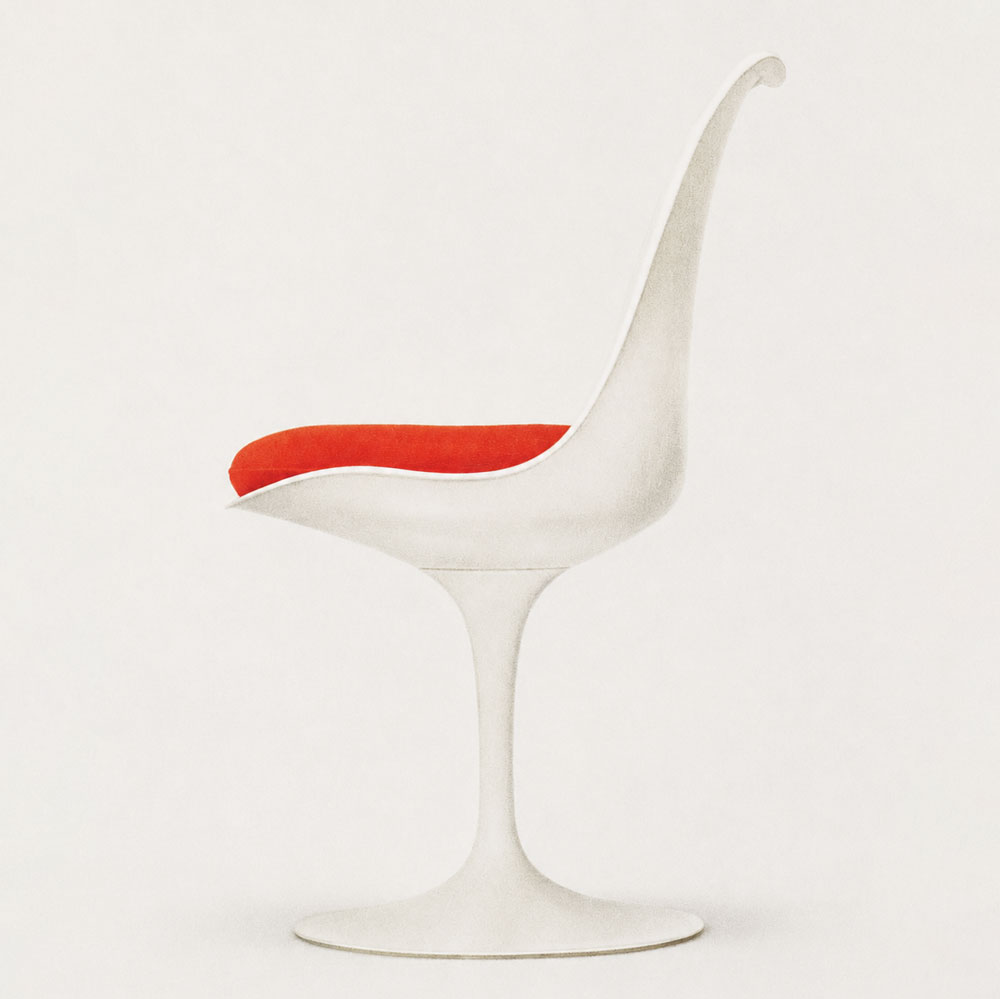
This 1970 Knoll International catalog, La Collezione di Saarinen, presents Eero Saarinen’s Pedestal Collection as both furniture and design argument....

Knoll’s 1954 Index of Contemporary Design

By 1954, Knoll was no longer simply selling modern furniture. It was selling a fully formed idea of contemporary living...

Duro Chrome’s Commercial Chrome Furniture of 1938

By 1938, Duro Chrome Corporation of St. Louis was part of a crowded and competitive market for chrome-accented commercial furniture....

Gilkie Camp Trailers of 1934: Your Vacation Home on Wheels

The 1934 Gilkie Camp Trailers catalog captures an early moment in American recreational travel, when the automobile was changing not...

Willow & Reed Rattan Catalogs 1940-50s

The Willow & Reed catalogs from 1941, 1951, and 1958 offer a compact view of how rattan furniture evolved through...

Ficks Reed Fujiyama 1964 Brochure

The Fujiyama collection by Ficks Reed is one of the company’s more distinctive mid-century rattan lines. Introduced as “the pinnacle...

Superior Reed & Rattan 1973 Catalog

The 1973 Superior Reed & Rattan Furniture catalog captures rattan at a very specific moment in American interiors. The material...

The Bon Marché Wallpaper Catalog, 1932

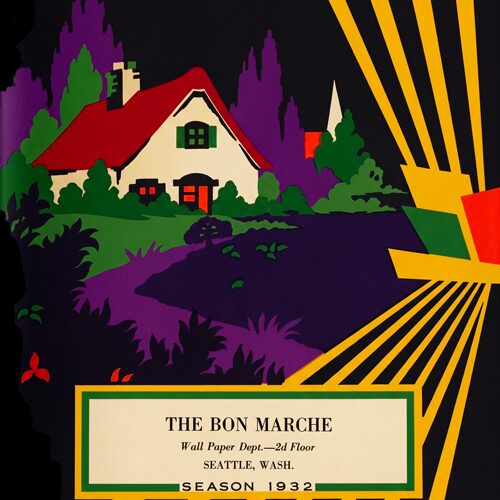
This 1932 wallpaper catalog from The Bon Marché in Seattle is a good example of how home decorating was marketed...

Lloyd Regal Capri: Color, Confidence, and Late-1950s Modern

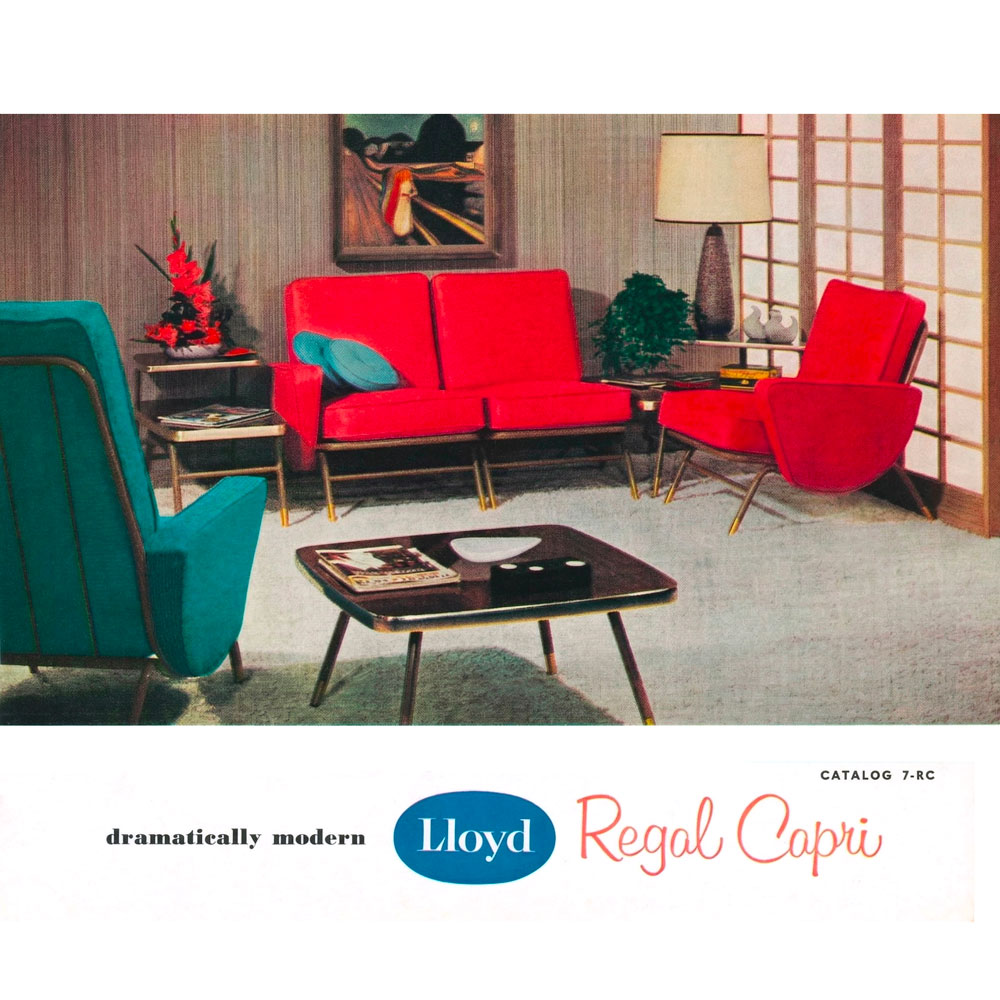
Lloyd Furniture Company was based in Menominee, Michigan, and was part of the network of Midwestern manufacturers supplying furniture to...

Douglas and the Rise of the American Dinette

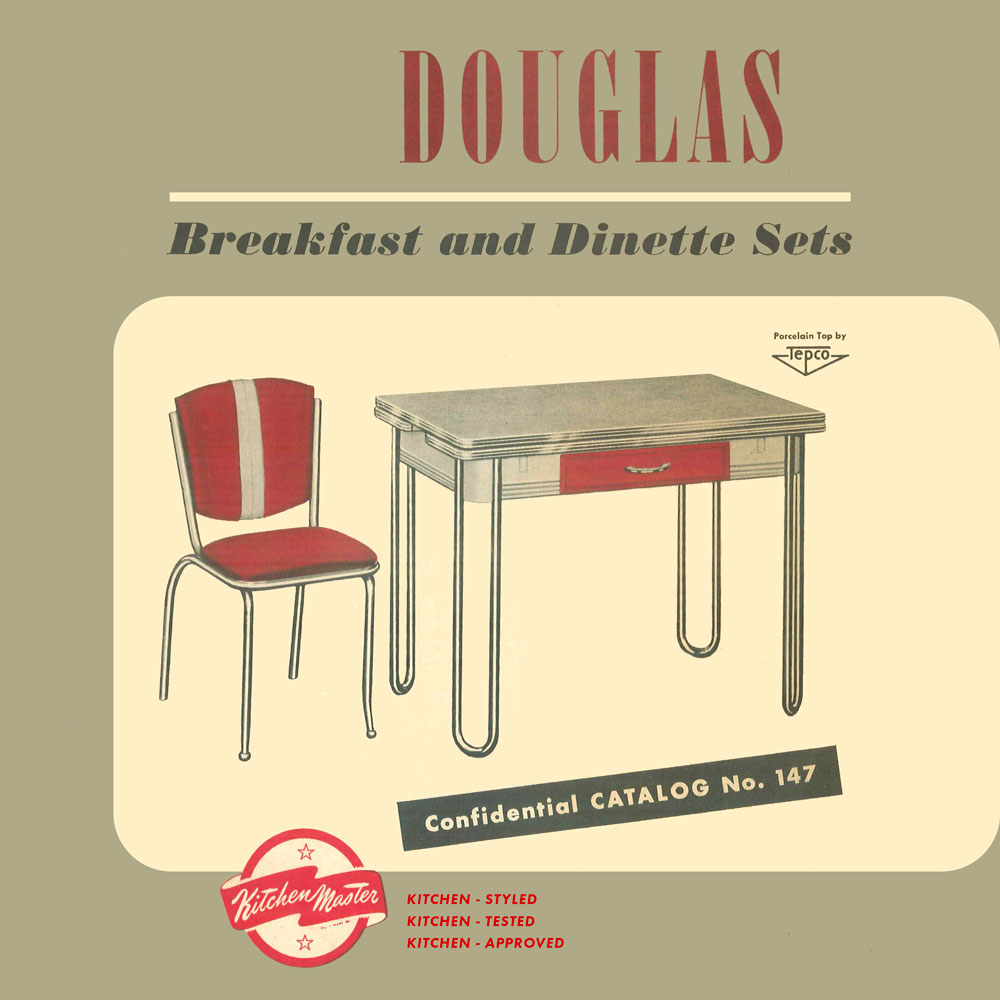
Douglas Furniture Corporation was one of the key American manufacturers behind the mid-century “dinette set” as we think of it...

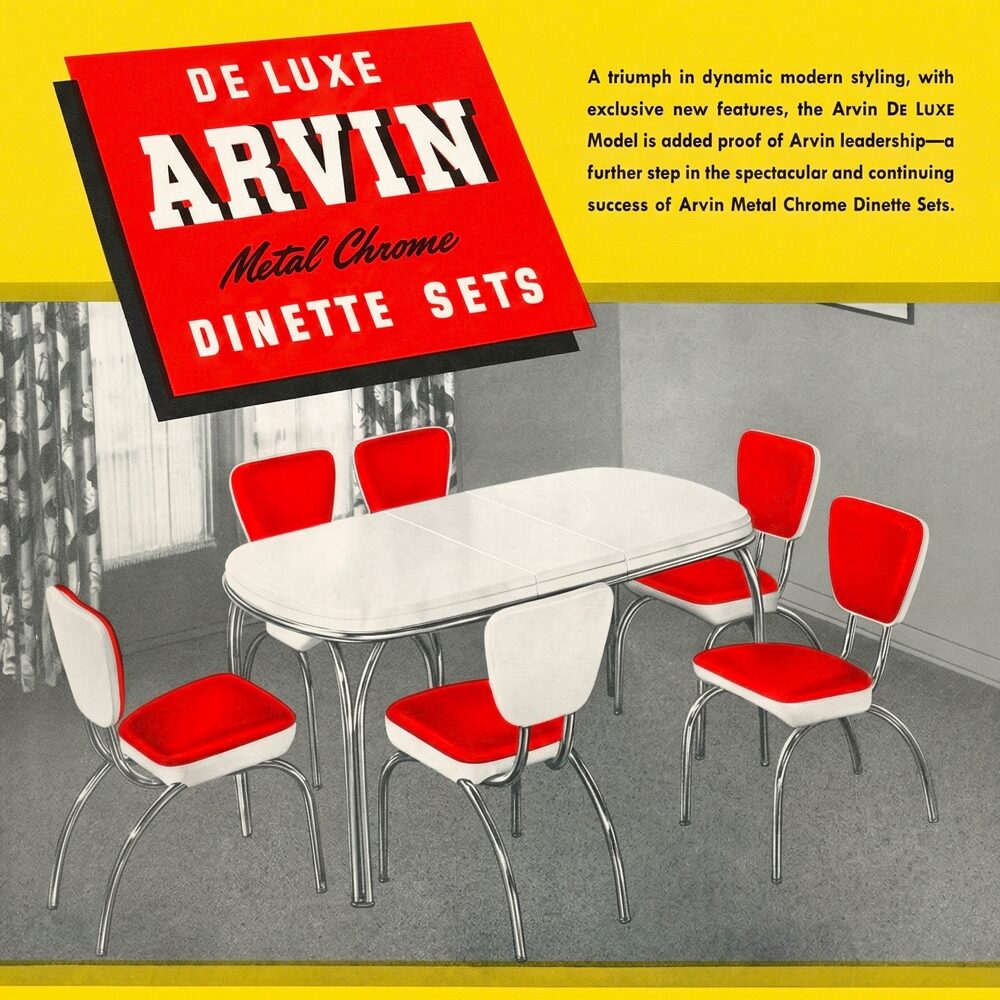
Arvin Dinette Sets, 1949: Chrome, Color, and the Modern Kitchen

There’s something very specific happening in this 1949 Arvin dinette catalog. It’s not just furniture. It’s a vision of what...

Drexel Furniture Catalogs

Drexel was founded in 1903 in Drexel, a small town in western North Carolina that was part of a growing...

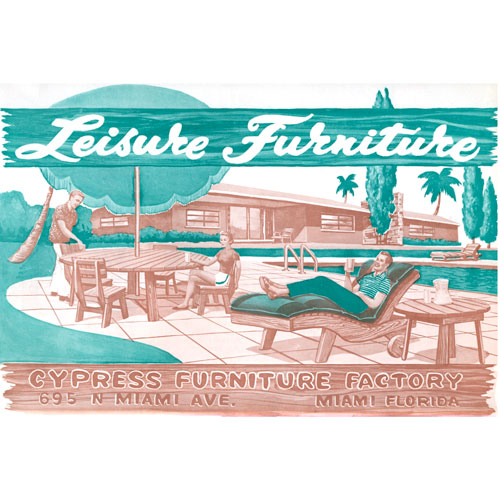
Cypress Furniture for Leisure Living

This catalog from the Cypress Furniture Factory in Miami captures a moment when outdoor living was becoming a defined part...

Royal Haeger Lamp Catalog 1941C

The company traces back to the late 19th century in Dundee, Illinois, originally operating as a brick and tile manufacturer....

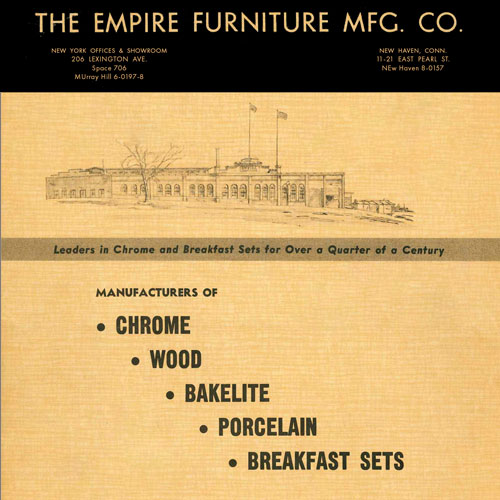
Empire Furniture Manufacturing, 1949 Dinette Catalog

Empire Furniture Manufacturing Company was one of many regional American furniture makers that found a niche in the dinette and...

Sellers Kitchen Furniture 1939 Catalog

The 1939 catalog from Sellers Kitchen Furniture captures a moment just before the American kitchen fully transitioned into the streamlined,...

Laun Furniture Catalog: Better Living in 1952

The 1952 catalog from A.A. Laun Furniture Company presents a focused and confident view of mid-century American furniture design. Rather...

Bassett Furniture, 1964 Catalog: Something for Everyone

By 1964, Bassett Furniture was one of the largest furniture producers in the United States, with roots going back to...

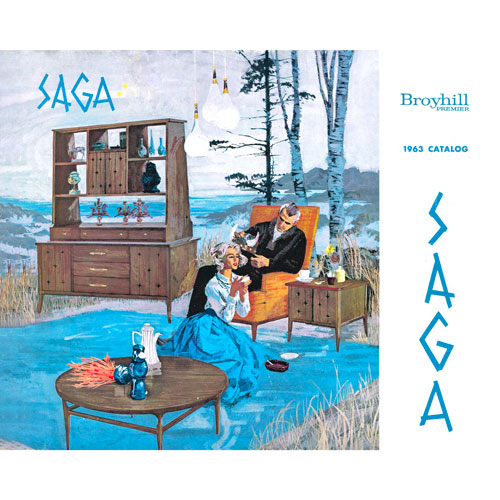
Broyhill Saga, 1963 Catalog: Nordic Influenced Design

In the 1960s, Broyhill expanded its range of styles to reflect changing tastes in American homes. The Saga line, introduced...

Broyhill Sculptra, 1964 Catalog: Quiet Modernism

In the early 1960s, Broyhill introduced the Sculptra line as part of its move into more design-forward furniture. While much...

Broyhill Forward 70, 1964 Catalog: A Look at the Future

By the 1960s, Broyhill had established itself as one of the major furniture manufacturers in the United States, known for...

Broyhill Penn Colony, 1964: Modern Colonial

Broyhill was founded in the early 20th century in North Carolina and grew steadily after World War II as demand...

Kuehne Furniture, 1958: Everyday Modern for the American Kitchen

Kuehne Manufacturing Company was one of many small-to-mid-sized furniture makers operating in the Midwest during the mid-20th century. Based in...

Metalcraft Corporation: Tubular Steel Furniture of 1938

Metalcraft started in the early 1920s and was fundamentally a metalworking company. Their primary focus was toys (metal cars, airplanes,...