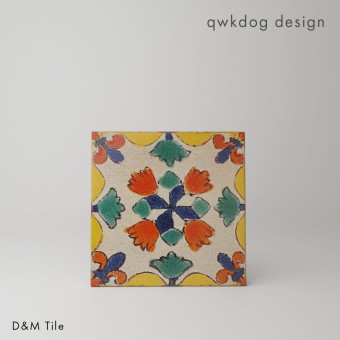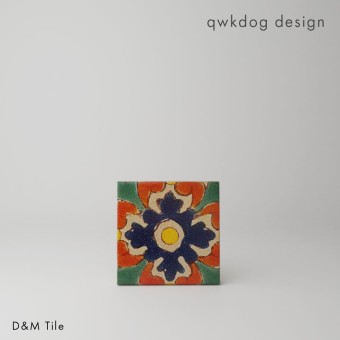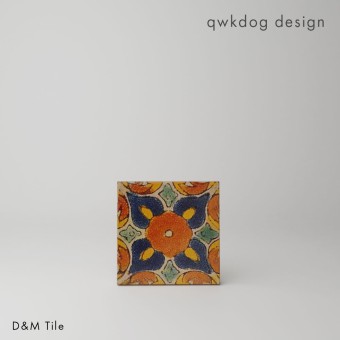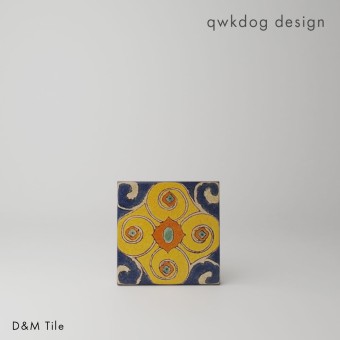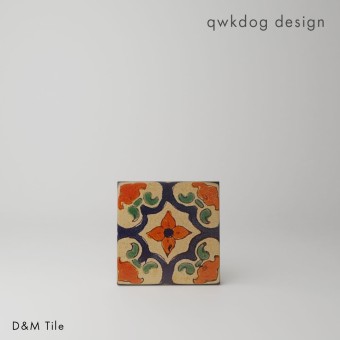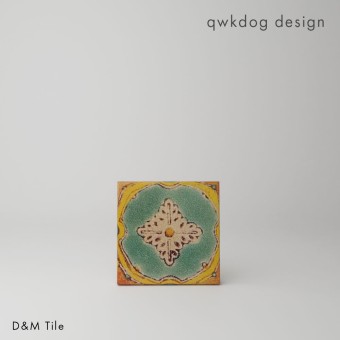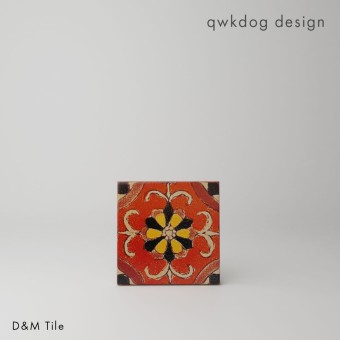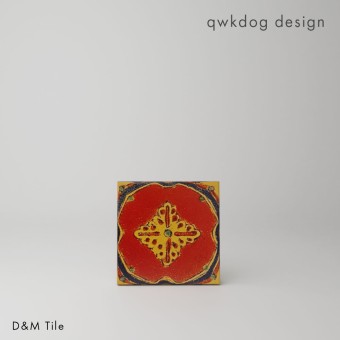




D&M Tile: California Craft in Clay and Color
John Davies and John McDonald operated D&M Tile in Los Angeles between 1928 and 1939, during one of the most fertile periods for decorative tilemaking in Southern California. Like many small tile companies of the era, D&M remains somewhat elusive in the historical record, but the surviving tiles point to a skilled, visually confident shop working within the rich vocabulary of California’s Spanish Revival and Hispano-Moresque decorative traditions.
Of the two partners, John Davies is the better documented. Born in Wales, Davies likely trained as a ceramicist at Doulton China in London in the very early 1900s before emigrating to the United States around 1910. His route to California appears to have been gradual and practical, moving through a number of tile companies across the country before arriving in Los Angeles. By the late teens or early twenties, he was working as superintendent at the Lincoln Heights plant of Pacific Clay Products, one of the major forces in California architectural ceramics. In 1927, Davies left Pacific to establish his own tile production business, which appears in Los Angeles area directories by 1929 at 707 Antonia Street, a location that no longer exists.
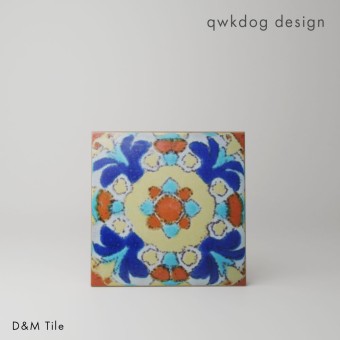
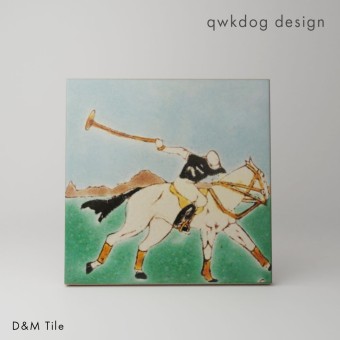
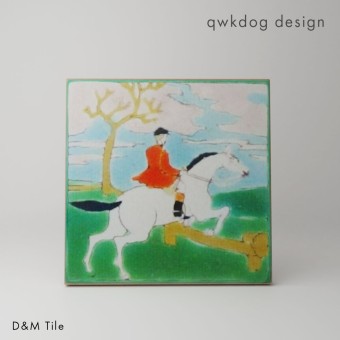
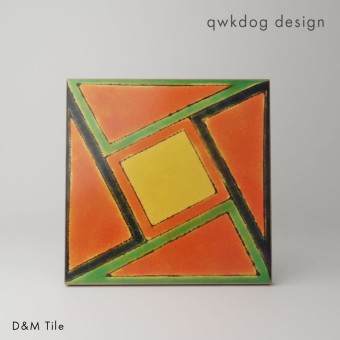
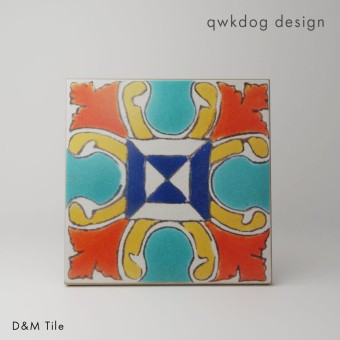
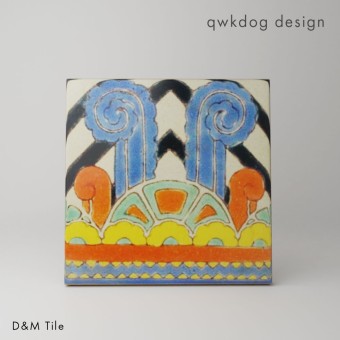
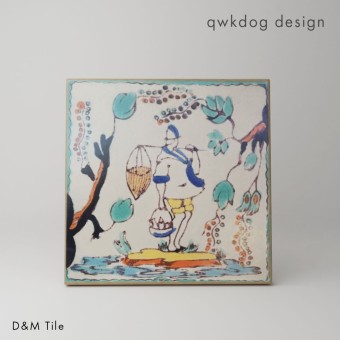
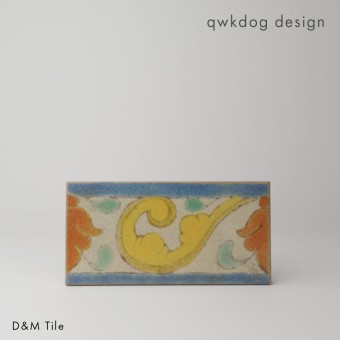
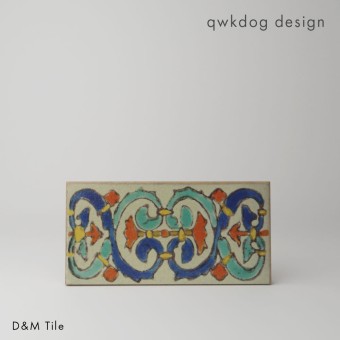
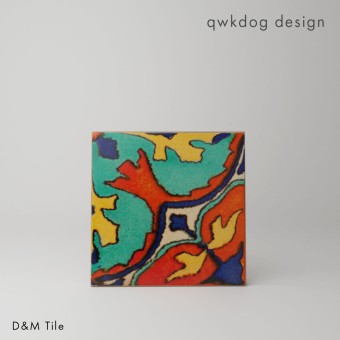
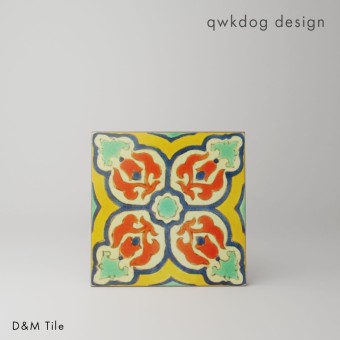
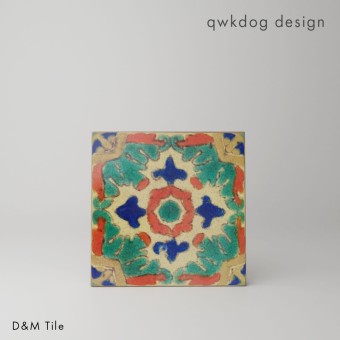
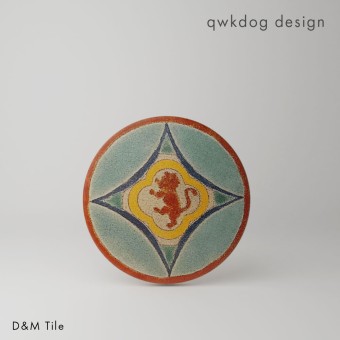
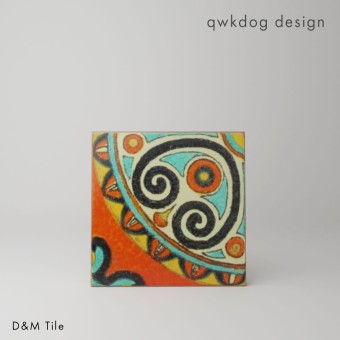
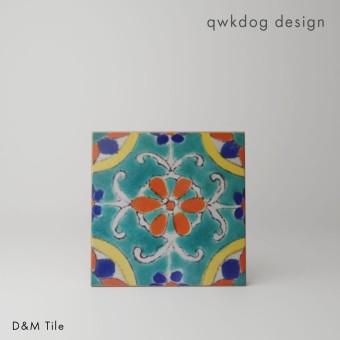
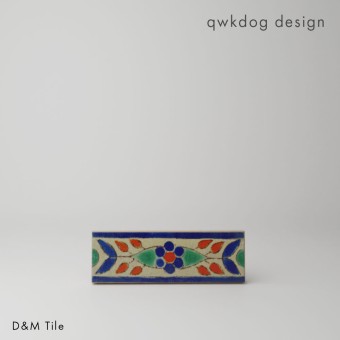
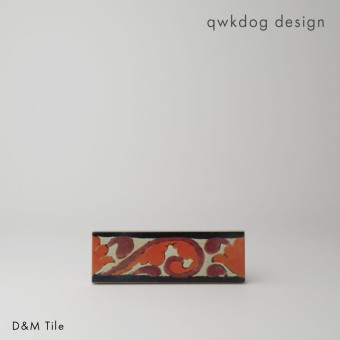
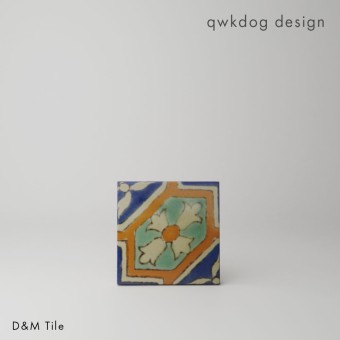
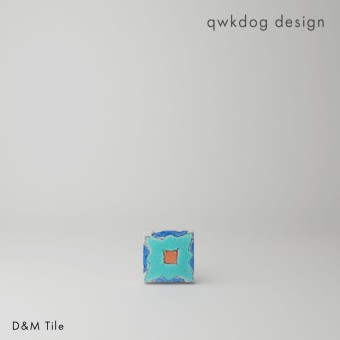
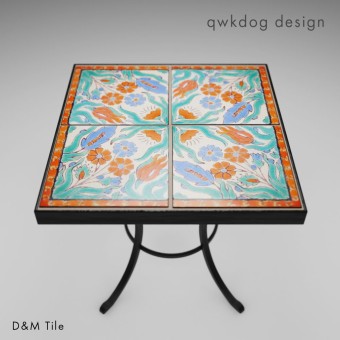
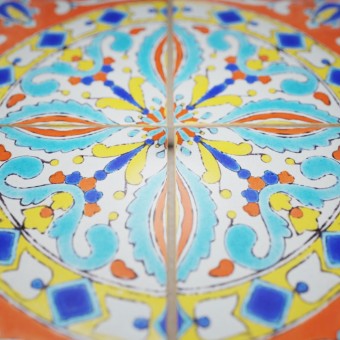
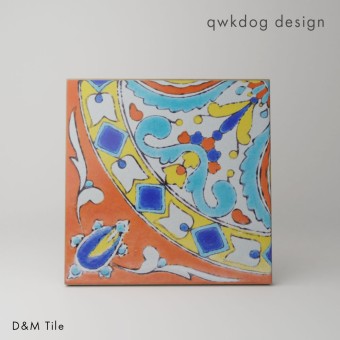
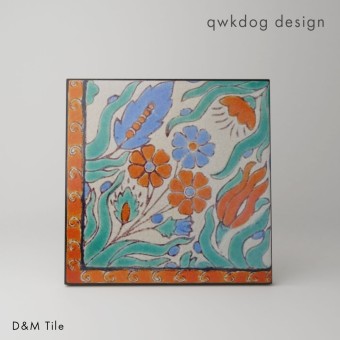
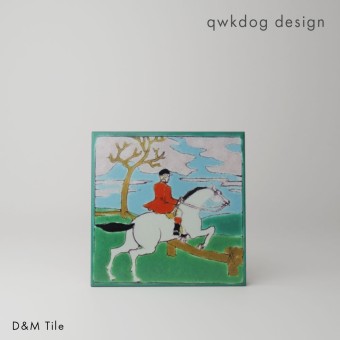
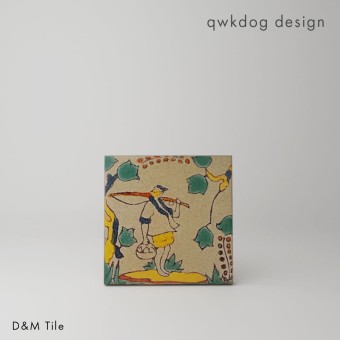
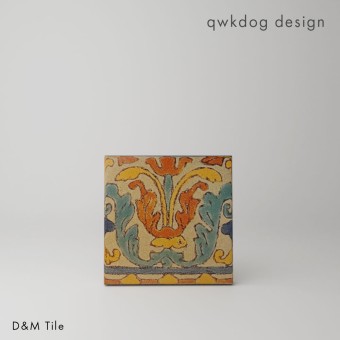
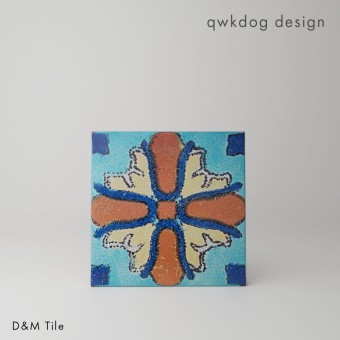
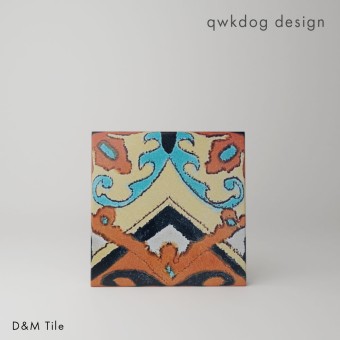
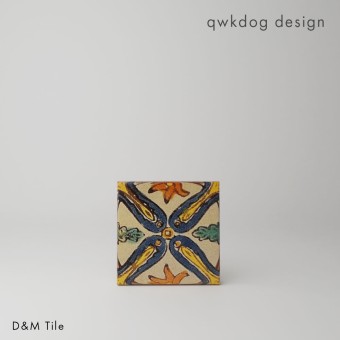
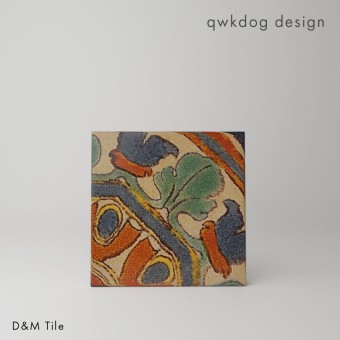
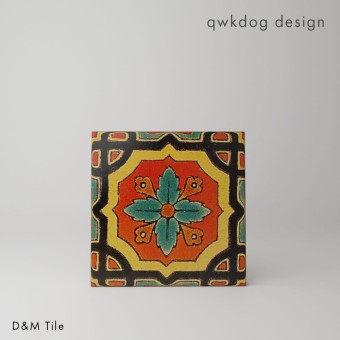
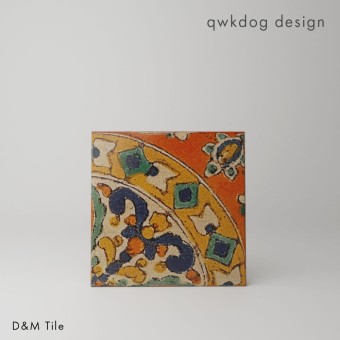
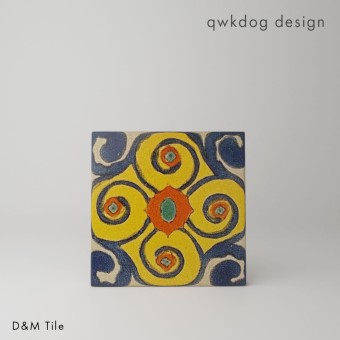
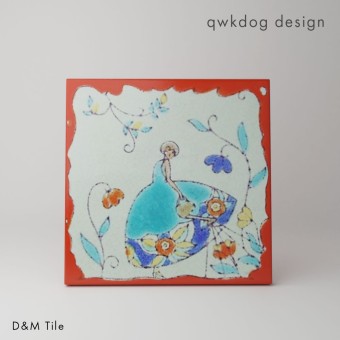
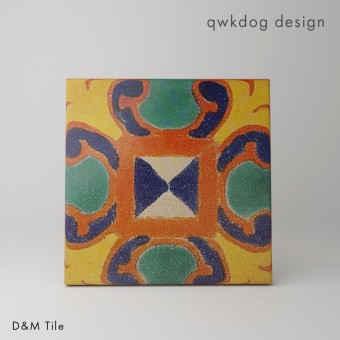
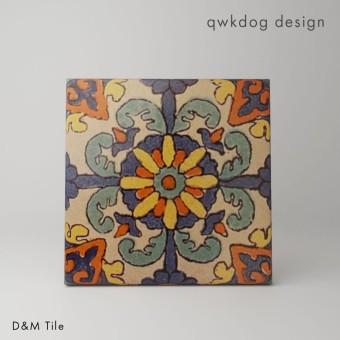
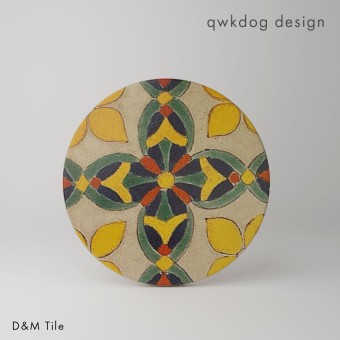
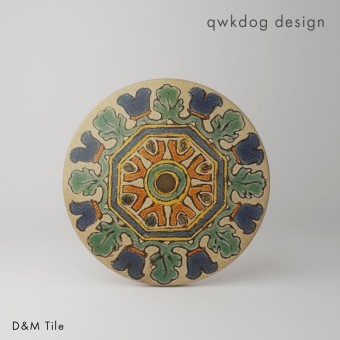
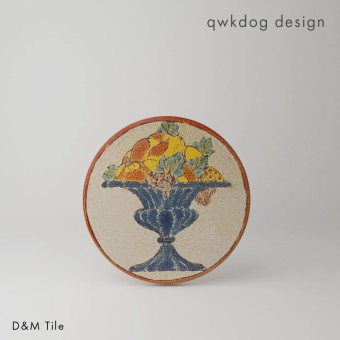
D&M produced a modest but distinctive range of decorative tiles, mostly square formats from four to eight inches, along with some circular tiles. The designs often feel closely connected to the broader Los Angeles tile world of the period, where pattern books, glazes, techniques, and even craftsmen moved between companies. The authors of California Tile note a possible connection between D&M and the Hispano-Moresque Tile Company, observing that many tiles share related designs and technical characteristics. They suggest that D&M may even have produced tiles for Hispano-Moresque, a theory strengthened by what happened after Davies’ death in 1939, when Harry Hicks of Hispano-Moresque acquired D&M’s kilns, inventory, and glaze formulas.
The tiles themselves were made using a silk-screened decorating method common to several California makers, including Taylor, Tudor, and Hispano-Moresque. An outline was first applied to the tile surface, creating the framework for the design, and colored glazes were then added through the screen. Once decorated, the tiles were tin-glazed, a process that involved coating the surface with a lead glaze containing tin oxide to intensify the colors and produce a smooth, luminous finish after firing.
What makes D&M interesting is not only its output, but its position within the interconnected world of Los Angeles tilemaking. The company was small, short-lived, and not especially well documented, yet it sat at the center of a larger exchange of skills, patterns, materials, and production methods. D&M tiles carry that history in miniature: bright color, crisp decoration, Moorish and Spanish-inflected pattern, and the handmade variation that gives California tile of this period its enduring appeal.