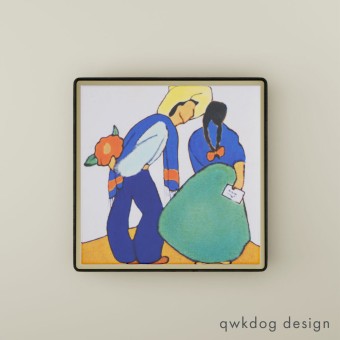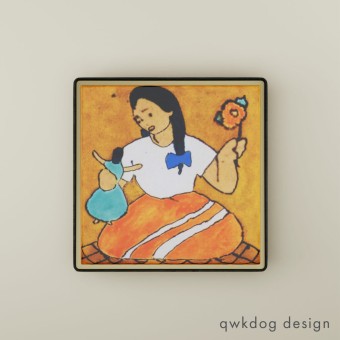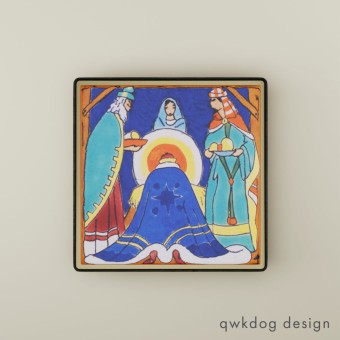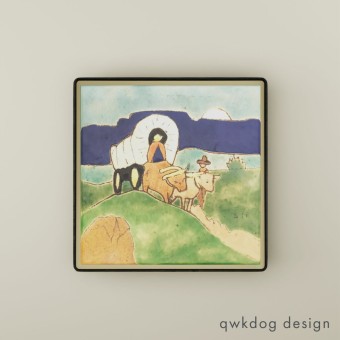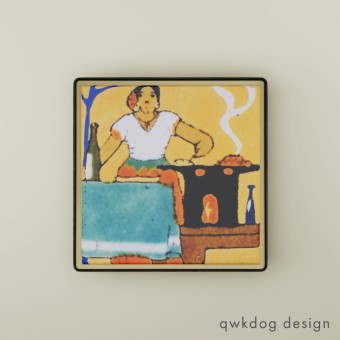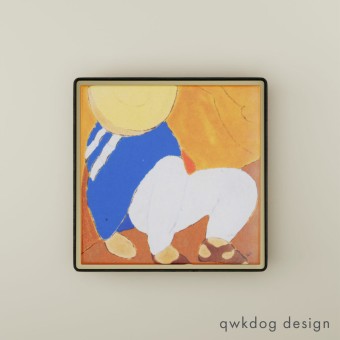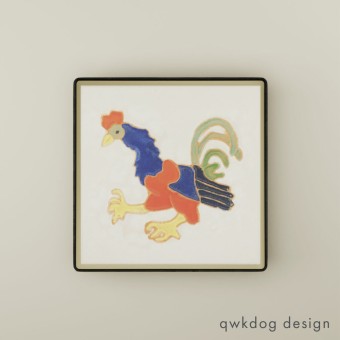




San Jose Pottery Tile: Texas Style in California Colors
Despite the name, San Jose Pottery tile was not produced in San Jose, California, but in San Antonio, Texas, where Ethel Wilson Harris helped build one of the most distinctive regional tile workshops of the 1930s and 1940s. The confusion is understandable. California had its own San Jose tile history, including San Jose Tile and Solon & Schemmel, but San Jose Pottery belongs to the Texas Mission Revival story, centered around Mission San José and the preservation of Mexican and Southwestern craft traditions.
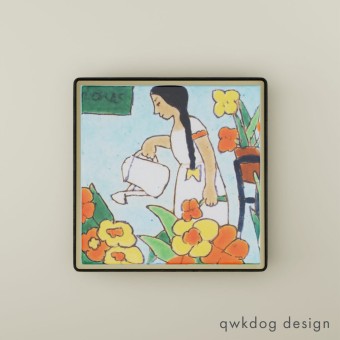
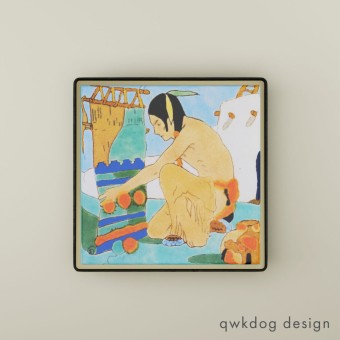
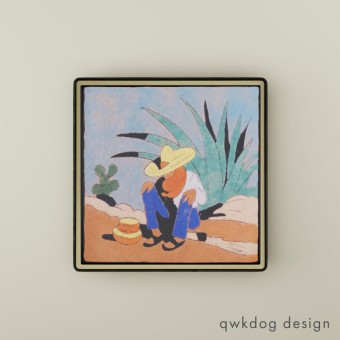
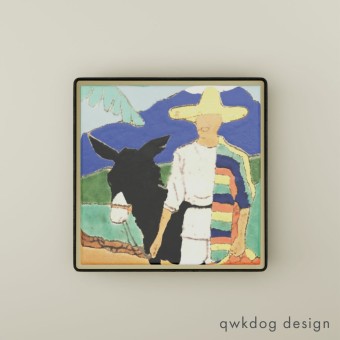
The origins of San Jose Pottery are tied to Harris’s earlier workshop, Mexican Arts & Crafts, founded in 1931. By the mid-1930s, demand had grown beyond what the smaller operation could support, particularly for larger tile production. San Jose Pottery was created as a more substantial production facility, making pottery, dinnerware, and decorative tile. Its best-known work includes lively hand-decorated tiles and tile-top tables featuring Mexican, Colonial, Western, Native American, floral, animal, and village-life subjects. Many of these designs were marketed as “Pan American Ware,” a name that neatly captures the workshop’s blend of regional identity, tourist appeal, and romanticized Southwestern imagery.
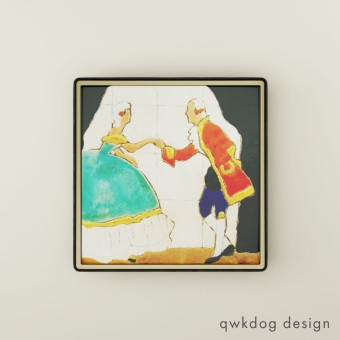
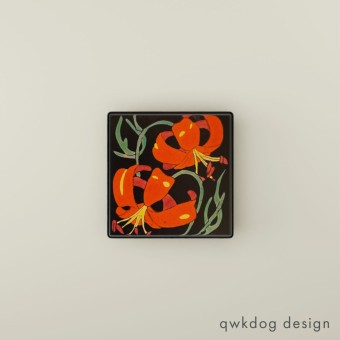
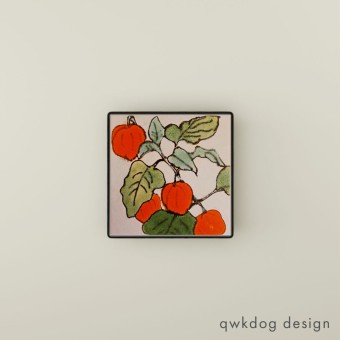
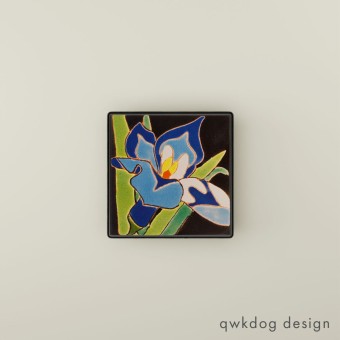
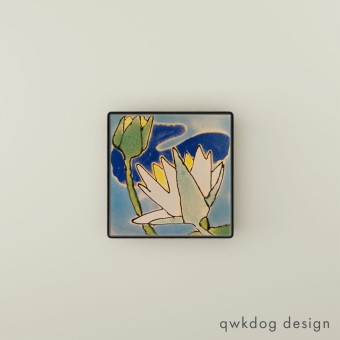
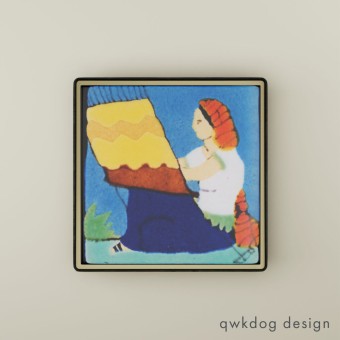
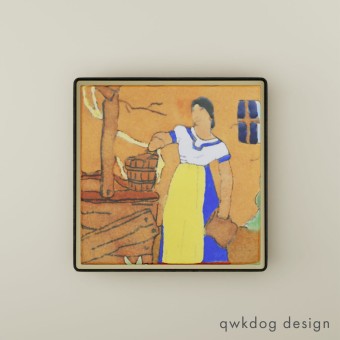
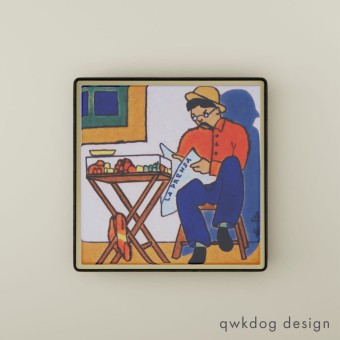
The tiles are immediately recognizable for their storytelling quality. Unlike many California tiles of the same period, which often rely on repeating geometric, Moorish, or Spanish Revival patterns, San Jose Pottery tiles frequently read like small pictures. Figures dance, ride horses, carry water, gather flowers, or stand before mission architecture. The style is colorful and graphic, with simplified forms, bold outlines, and a decorative directness that gives the work much of its charm. Even when the subjects are idealized, the tiles have a handmade liveliness that keeps them from feeling merely commercial.
Attribution can be difficult because many San Jose tiles were not marked, and the workshop history overlaps with Mexican Arts & Crafts and later Mission Crafts. Appraisers and collectors often use “San Jose” broadly to describe work from the related San Antonio workshops active from the 1930s into the later twentieth century. PBS’s Antiques Roadshow notes that some tiles once attributed specifically to San Jose Pottery could have been made either by Mexican Arts & Crafts or San Jose Potteries between 1931 and 1945.