




The Wonder of 1950s Dutch-Themed Giftware
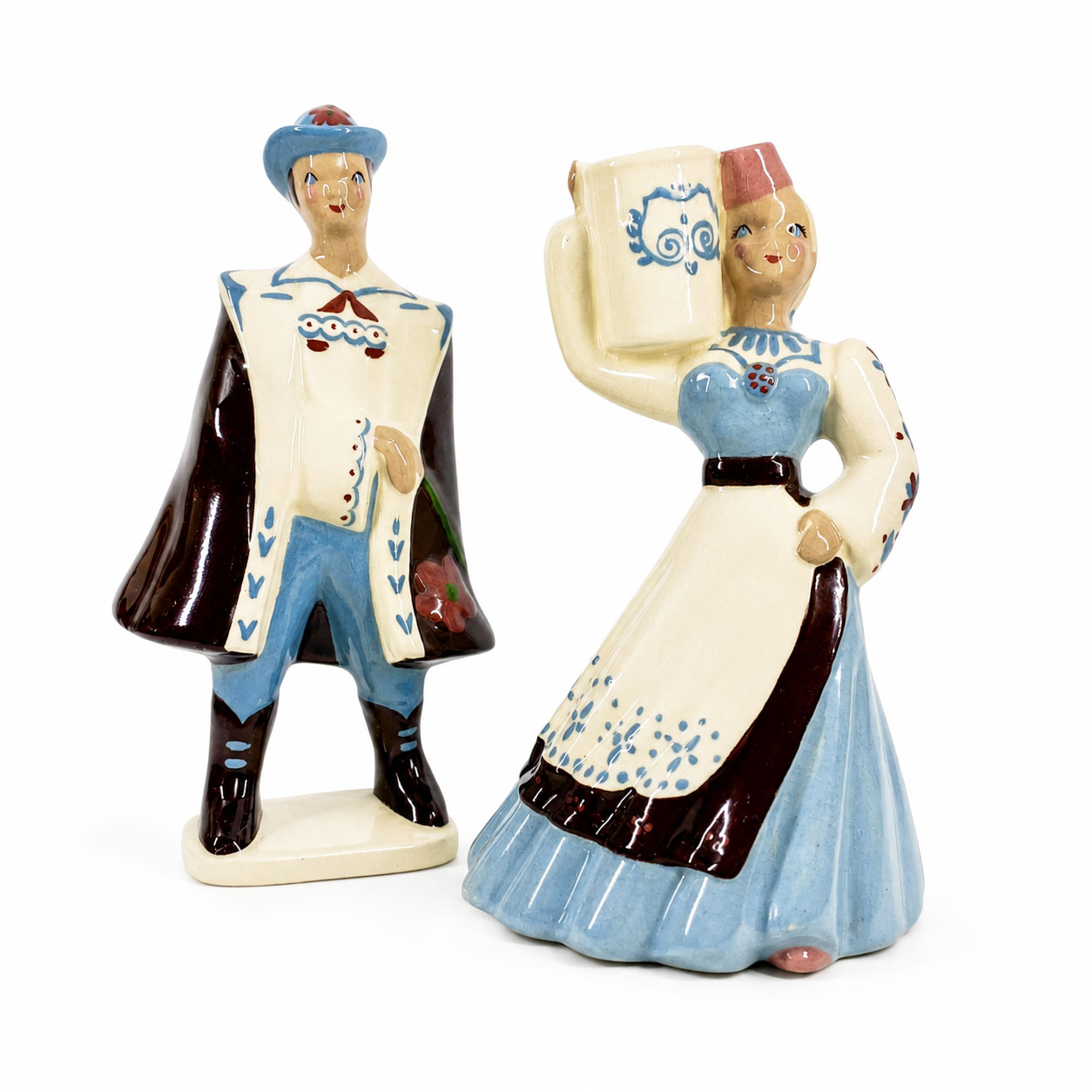
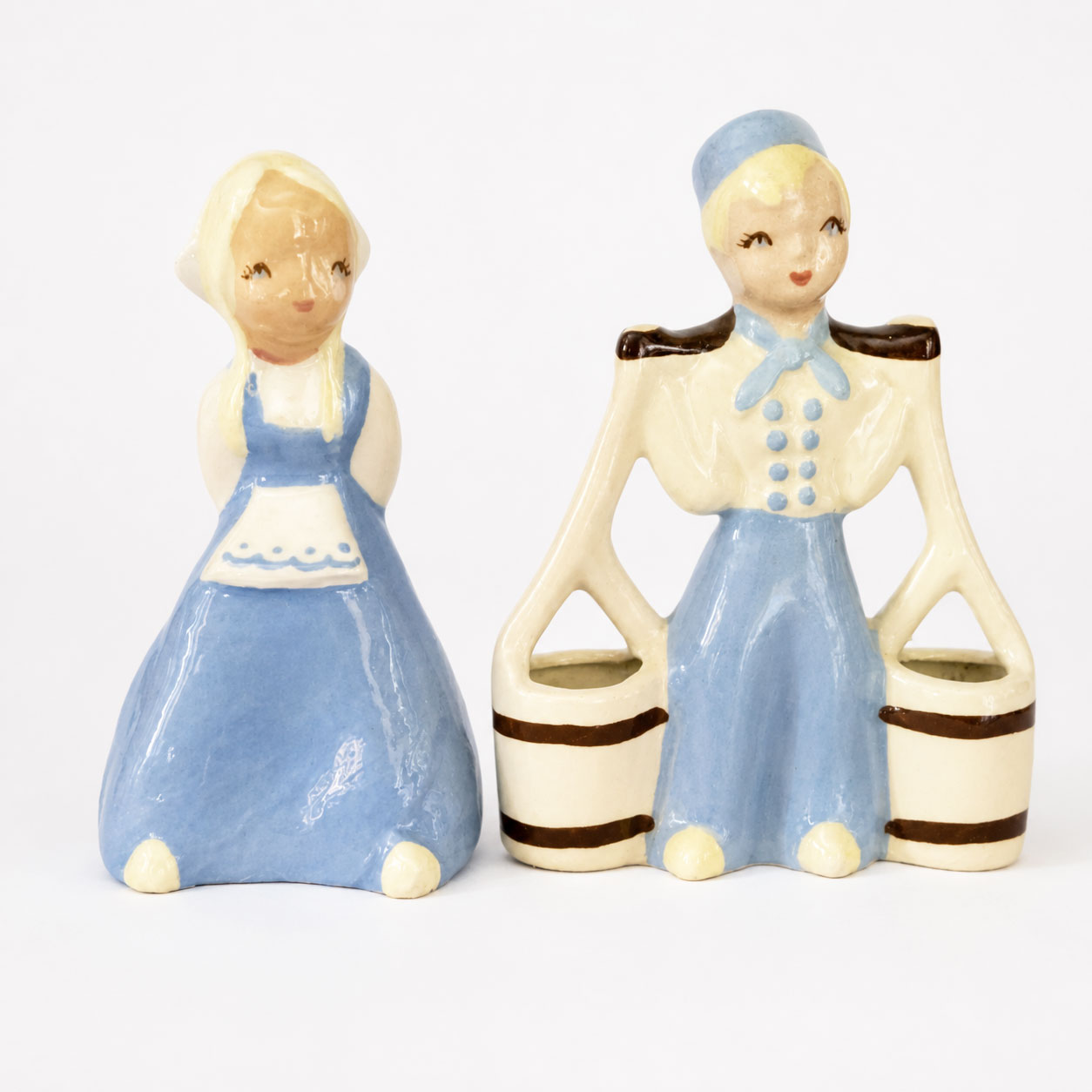
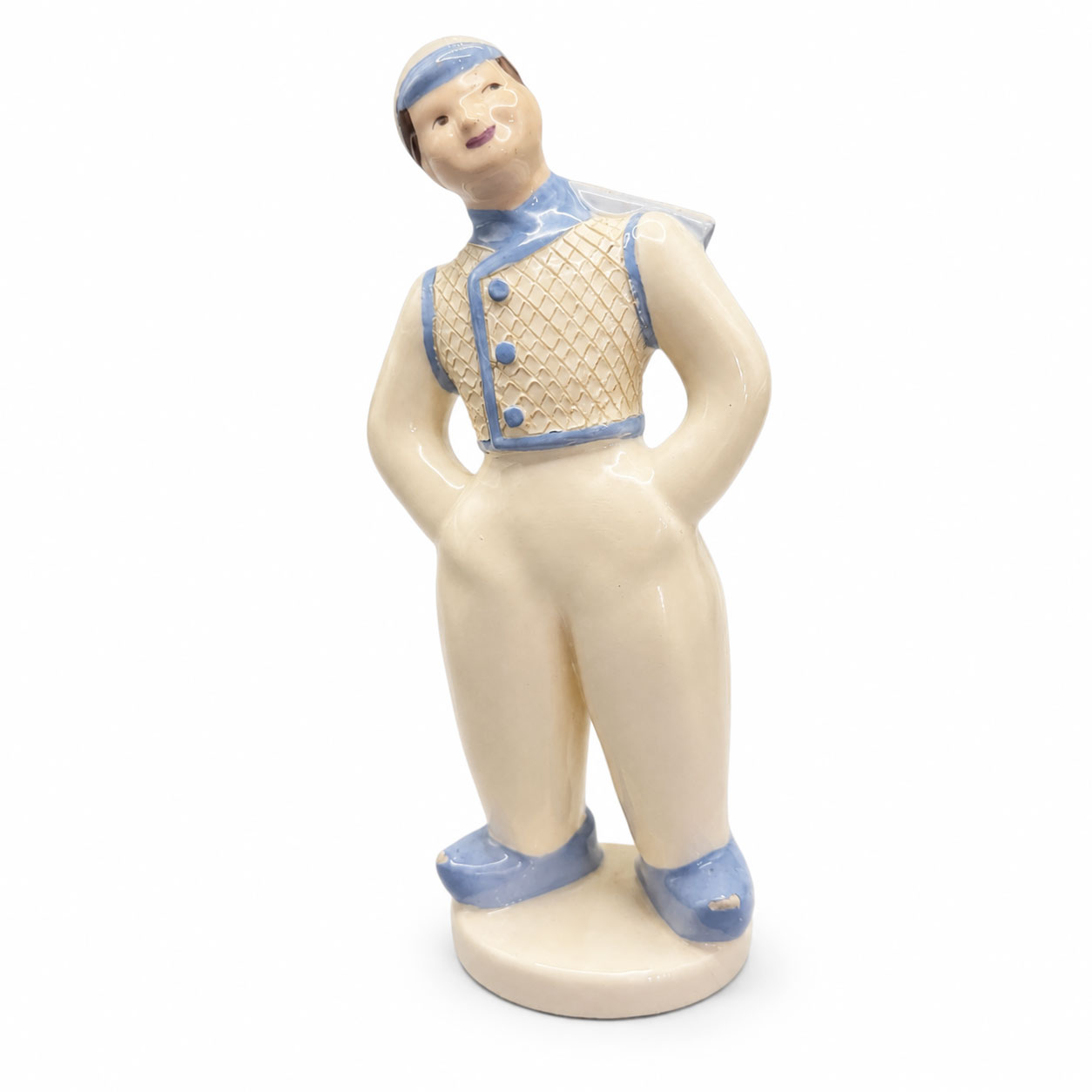
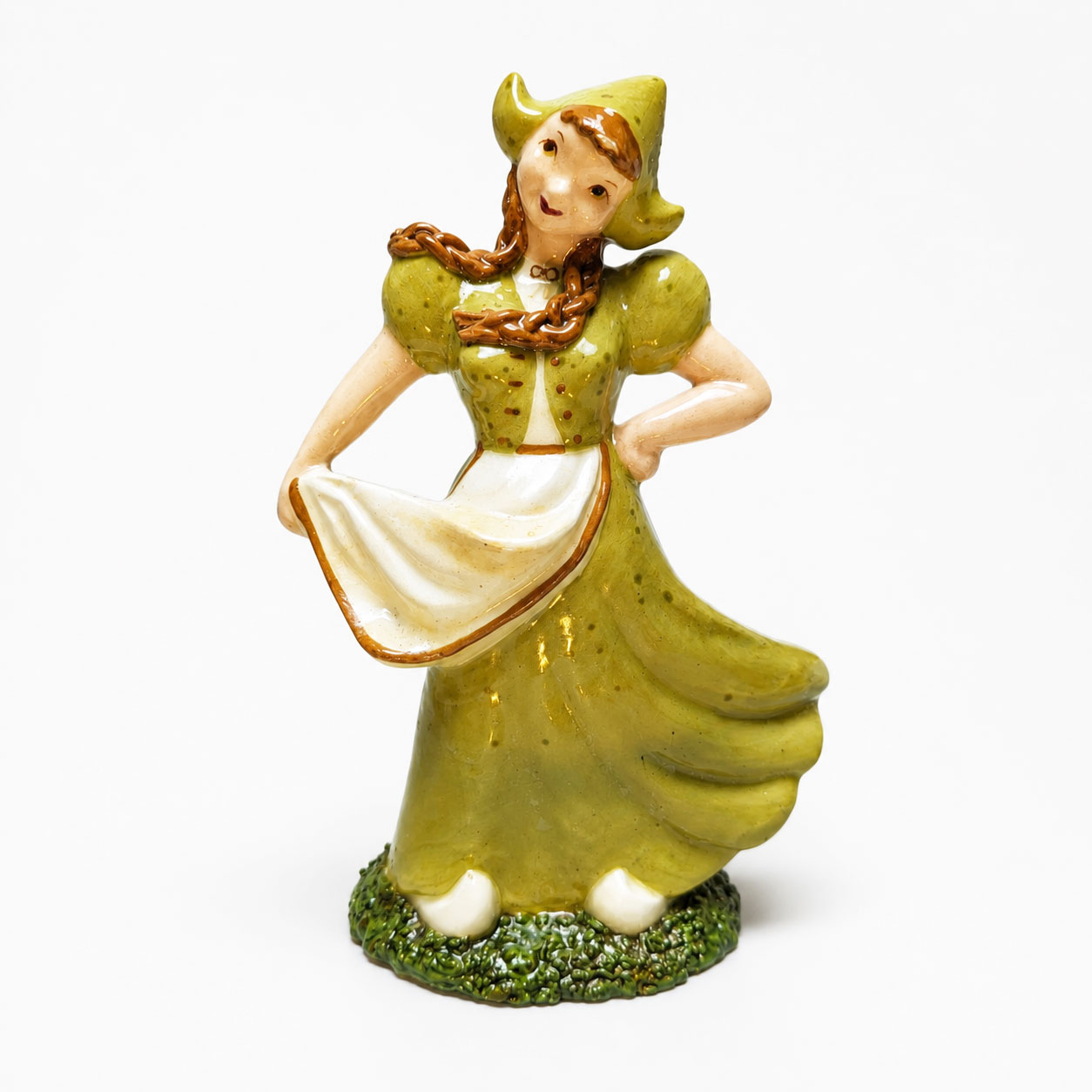
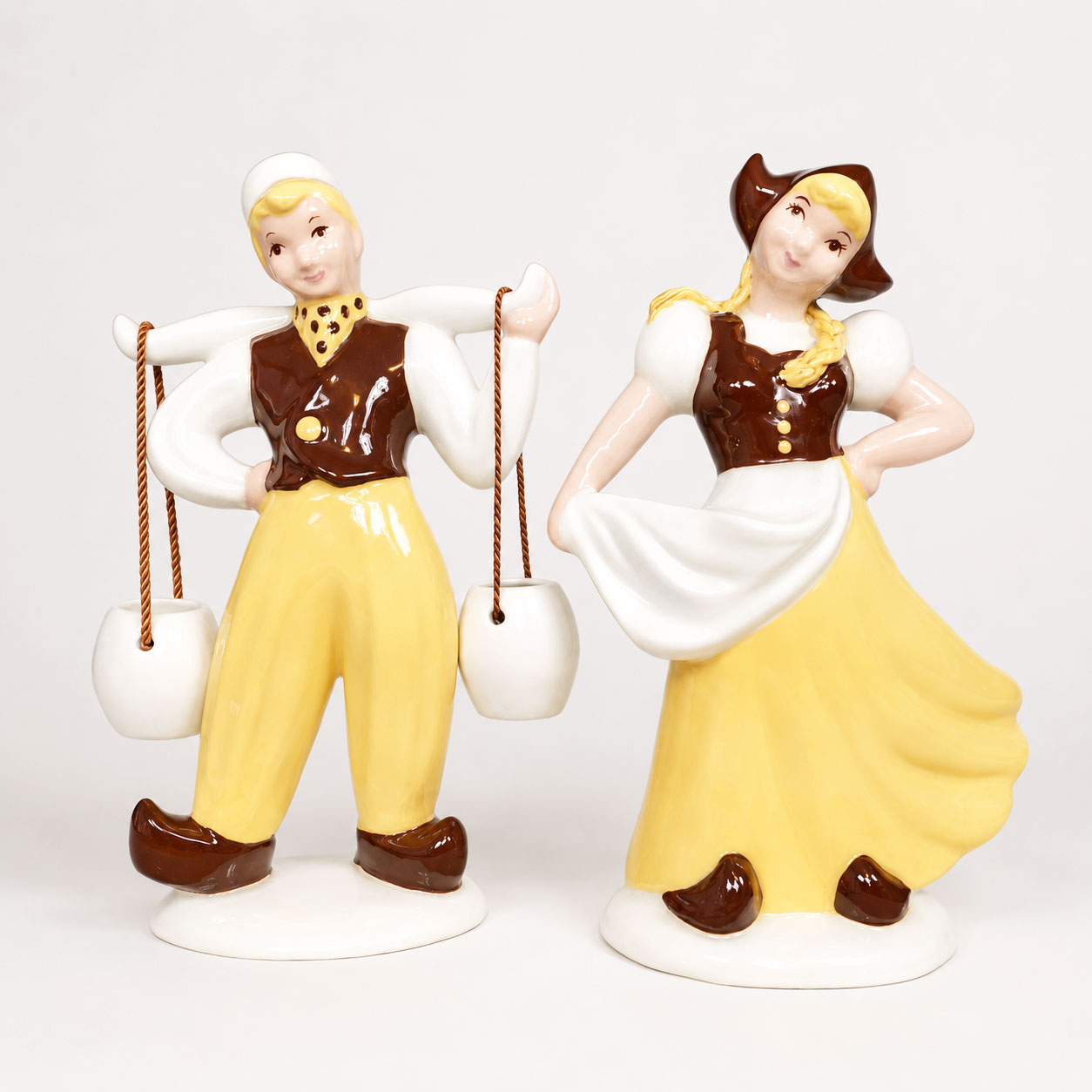
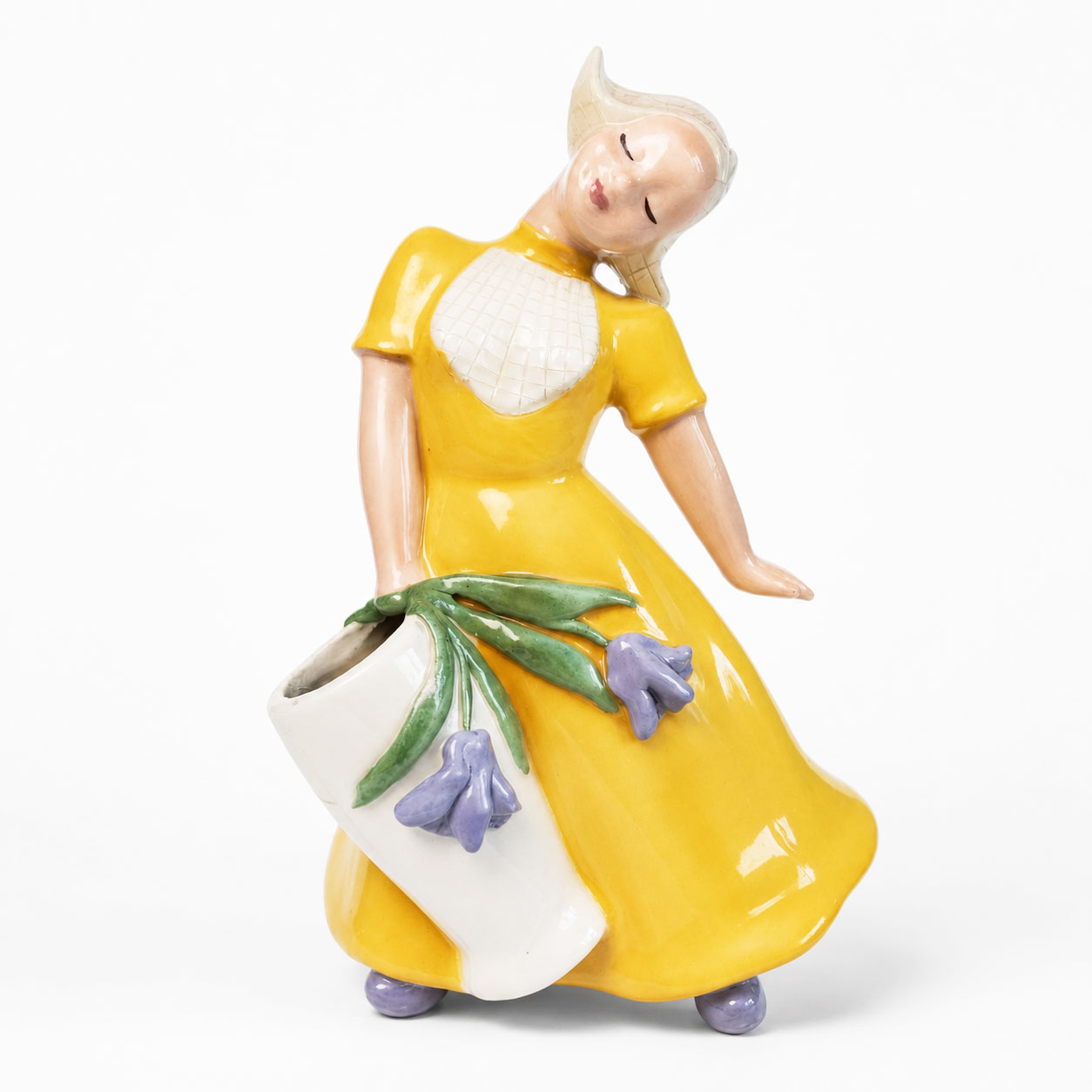
Among the many national and regional themes that appeared in 1950s ceramic giftware, Dutch-inspired designs had unusual staying power. They appeared across the giftware market in the form of planters, wall pieces, table accessories, and novelty ceramics. The imagery was simple and immediately readable: a bonnet, a windmill, a pair of clogs. With very little detail, manufacturers could suggest an old-world village and a cheerful domestic mood.
But these pieces were rarely about the Netherlands in any specific way. In the American giftware market, “Dutch” became a kind of decorative shorthand. It suggested thrift, sweetness, order, and a slightly old-fashioned idea of home. A Dutch girl on a creamer or wall pocket was not really a representation of Dutch life. She was a small household character, meant to feel friendly and familiar.
That may be why the theme fit so comfortably into the 1950s home. It offered a little bit of elsewhere without feeling unfamiliar. Dutch-themed ceramics were foreign, but not exotic. They brought a note of old-world charm into rooms that were otherwise being filled with new appliances, new surfaces, and new suburban expectations.
Midcentury giftware often worked this way. Manufacturers borrowed from national costume and regional identity, then turned those references into decorative characters. Some of these themes now feel more uncomfortable than others, especially when they slide into caricature or exotic fantasy. Dutch-themed ceramics usually sit at the milder end of that spectrum, but they still depend on the same basic process. A culture is reduced to a costume and a mood.
Hedi Schoop and Yona of California’s figural ceramics help place this in a broader context. Schoop was especially skilled at turning costumed figures into lively ceramic personalities. Her work often has more movement and theatricality than the average novelty piece, but it still shows how easily midcentury ceramics used national identity as performance. A figure did not need to be specific to be appealing. It needed to be recognizable. (In the images above, Yona figurines are shown in the first two images, Hedi Schoop in the remaining images.)
That ease was central to the market. These were small, cheerful objects that could be bought without much thought and placed almost anywhere in the home. A Dutch-themed piece did not ask much of the buyer. It offered charm in a form that felt affordable, familiar, and safe.
There is real sweetness in many of these pieces, but there is also formula. The same ideas repeat because they worked. Over time, “Dutch” became less a reference to a real place than a decorative costume that could be applied to almost any object. It provided a language of cuteness and domestic nostalgia, not geography.
Through this lens, Dutch-themed ceramics tell us quite a bit about the 1950s American home. They reflect a market hungry for objects that felt friendly, collectible, and lightly sentimental. They also show how manufacturers turned national imagery into household decoration, smoothing away specificity in favor of charm.
That is what makes them more interesting than they may first appear. A little Dutch girl in clogs can look simple, even silly. But she belongs to a larger story about how the postwar American home was modernized and sentimentalized at the same time. The room could be bright and new, but on the shelf there was still space for something older, sweeter, and reassuringly tidy.