




Heywood-Wakefield’s story begins in the early nineteenth century, long before the clean lines and warm finishes most people associate with the brand today. In 1826, in the small town of Gardner, Massachusetts, the Heywood brothers began making chairs in a modest workshop near their family farm. Chairmaking at the time was still largely a craft activity, but from the beginning the Heywoods showed an unusual willingness to experiment with machinery, water power, and process improvements. That instinct—to scale up without losing control over quality—became one of the defining characteristics of the company as it grew through the nineteenth century.
Running parallel to this story was the rise of Cyrus Wakefield, whose career unfolded along the Boston waterfront. In the 1840s, Wakefield recognized the commercial potential of rattan, a material arriving in American ports as ship ballast from Southeast Asia. While others saw waste, Wakefield saw opportunity. He built a business importing, processing, and ultimately manufacturing goods from rattan, reed, and cane, insisting on using every part of the vine and investing heavily in machinery to make production faster and more consistent. His Wakefield Rattan Company grew rapidly, supplying materials and finished goods to chairmakers across the country and establishing rattan and reed furniture as mainstream household products rather than novelties.
By the late nineteenth century, these two strands—Heywood’s chairmaking operations and Wakefield’s rattan enterprise—had become deeply intertwined. Competition gradually gave way to consolidation, and in 1897 the businesses merged to form Heywood-Wakefield, a manufacturing powerhouse with multiple factories, warehouses in major cities, and global supply chains. The company produced an astonishing range of goods: wooden chairs, reed and rattan furniture, baby carriages, woven cane seating, and industrial materials derived from rattan byproducts. At a time when American manufacturing was defining itself through scale and efficiency, Heywood-Wakefield stood as a model of vertical integration and industrial ambition.
In 1926, the company marked its first hundred years by publishing A Completed Century, a corporate history that celebrated growth, machinery, and organizational complexity. The book reads as a confident declaration of success, emphasizing factories, processes, and leadership rather than design or lifestyle. That perspective is revealing. On the eve of dramatic cultural and economic change, Heywood-Wakefield still understood itself primarily as a manufacturing enterprise—one rooted in technical mastery, logistical reach, and the disciplined use of materials. Yet even within that industrial self-image lay the foundations for what would come next.
The late 1920s and early 1930s forced a reckoning. The Great Depression reshaped consumer behavior, housing, and ideas about what furniture should be. Heavy ornament and overt displays of wealth fell out of favor, replaced by a growing appetite for simplicity, practicality, and modern living. For Heywood-Wakefield, survival depended on adaptation. Rather than retreating into tradition, the company leveraged its deep experience with wood bending, finishing, and material experimentation to rethink its designs from the ground up.
This period marked a decisive shift toward modernism. Forms became cleaner and more architectural. Decoration was stripped away in favor of proportion, curve, and surface. Even when working in solid wood, Heywood-Wakefield drew on its rattan heritage, translating the lightness and flexibility of cane furniture into streamlined wooden frames. Techniques developed decades earlier—lamination, bending, staining, and surface treatment—were repurposed to support a new aesthetic that felt contemporary rather than nostalgic.
The 1930s also saw Heywood-Wakefield embracing design as a central part of its identity, not merely a byproduct of manufacturing. Furniture was increasingly presented as part of a way of life, aligned with modern interiors, new domestic habits, and evolving ideas about comfort. This shift continued through the 1940s, when wartime constraints reinforced the value of efficient construction and honest materials. By the time the postwar housing boom arrived, Heywood-Wakefield was well positioned to meet demand for furniture that was modern, durable, and accessible.
The postwar years would become the company’s most recognizable era, with collections that defined mid-century American interiors and finishes—most famously Wheat—that remain iconic today. Yet these designs were not a break from the past so much as a culmination of it. The same company that once imported rattan as ballast and built water-powered chair shops had learned, over generations, how to balance innovation with continuity. Its furniture succeeded because it was grounded in manufacturing intelligence as much as in style.
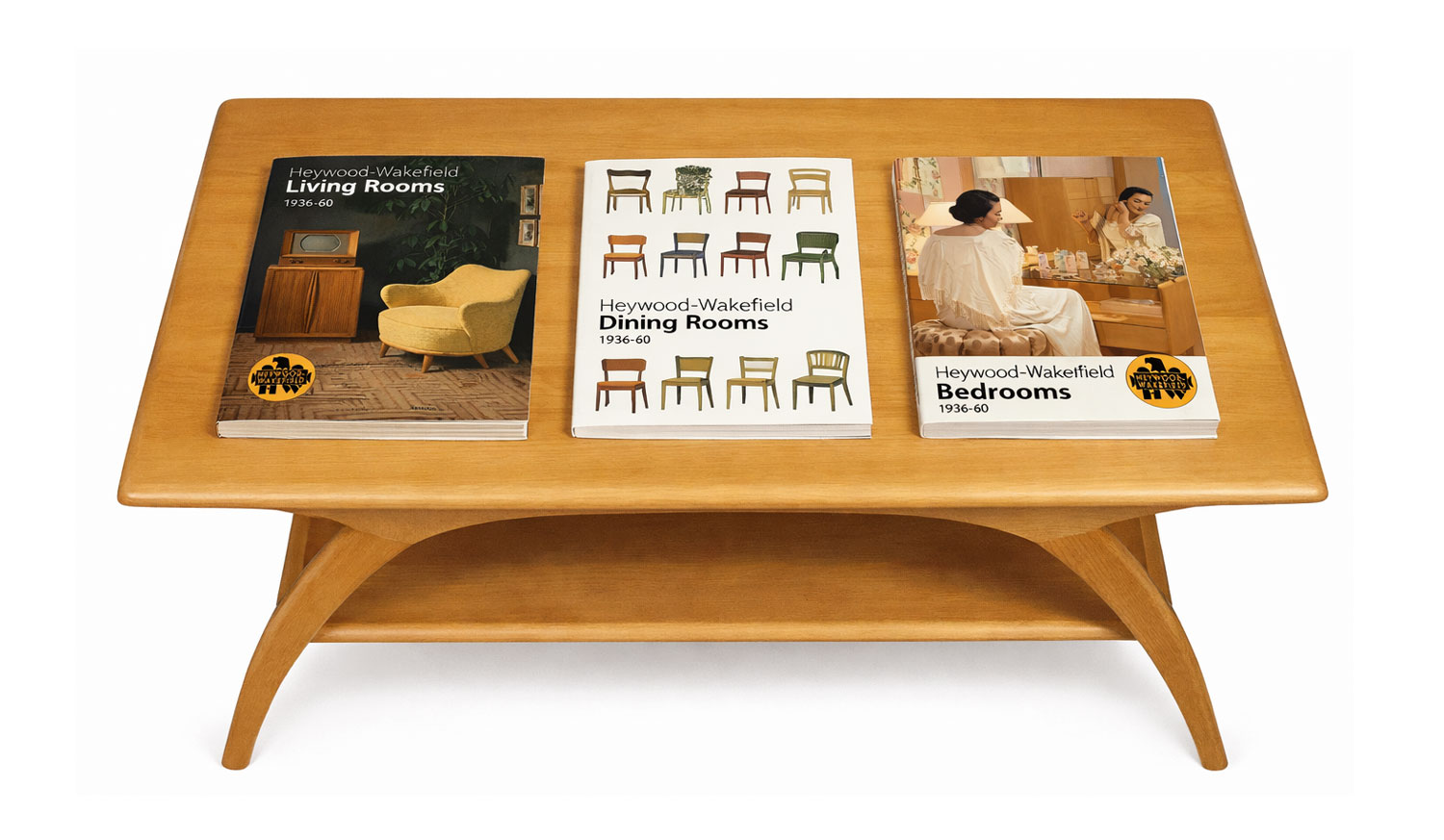
Learn more about Heywood’s company history. and check out my Heywood-Wakefield publications.
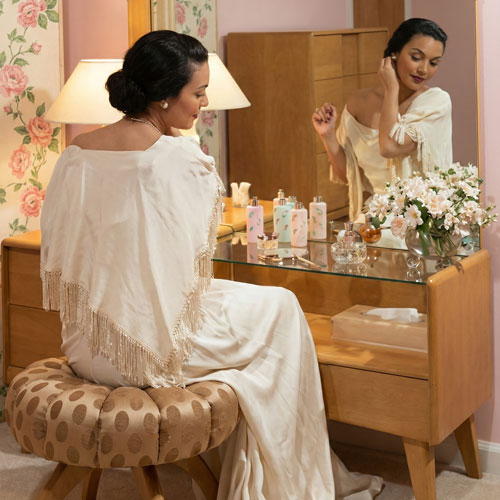
Explore Bedrooms
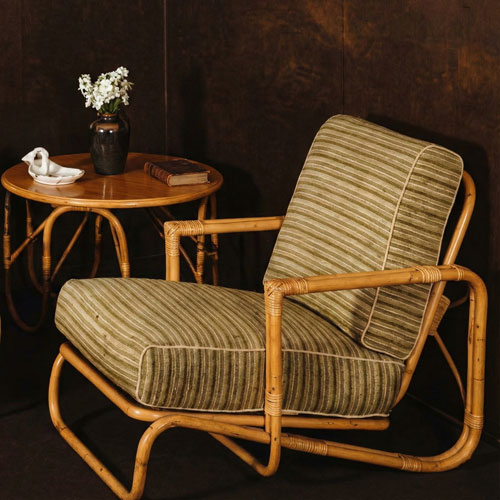
Explore Rattan
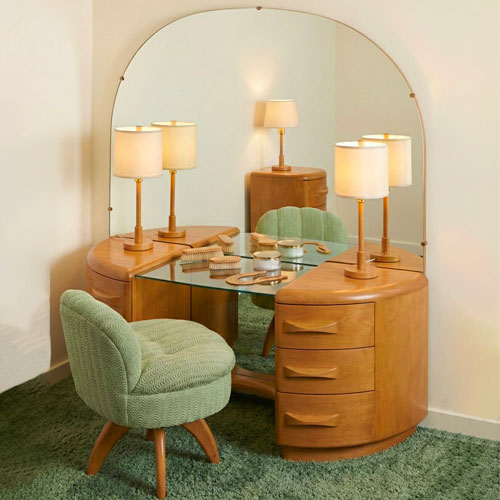
Explore Streamline Modern
Explore Modern
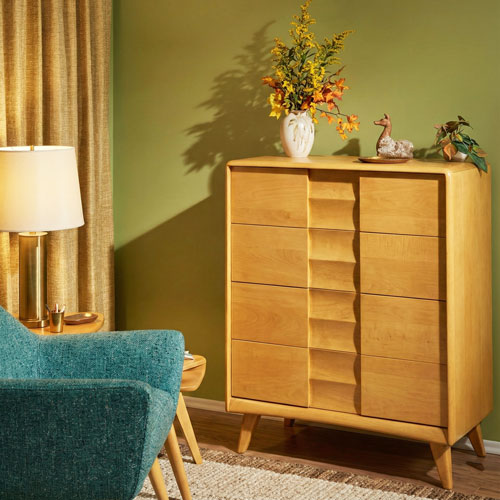
Explore Ashcraft
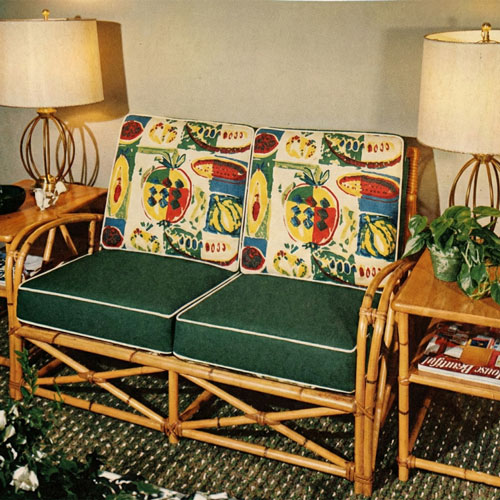
Explore Cliff House
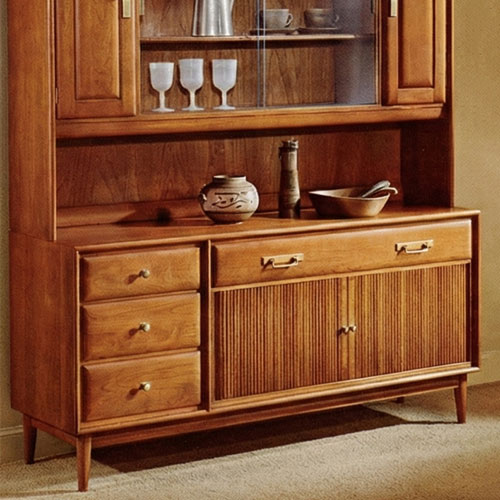
Explore Old Colony
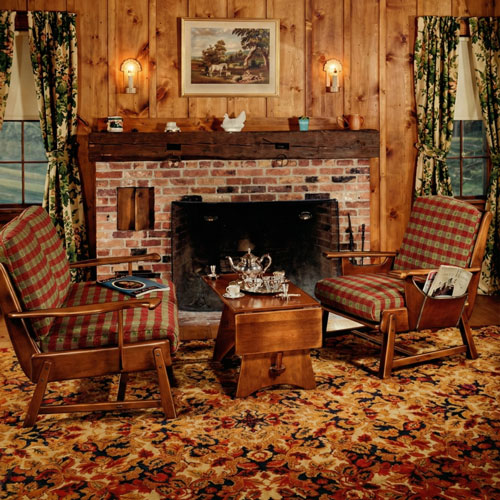
More on Heywood Wakefield
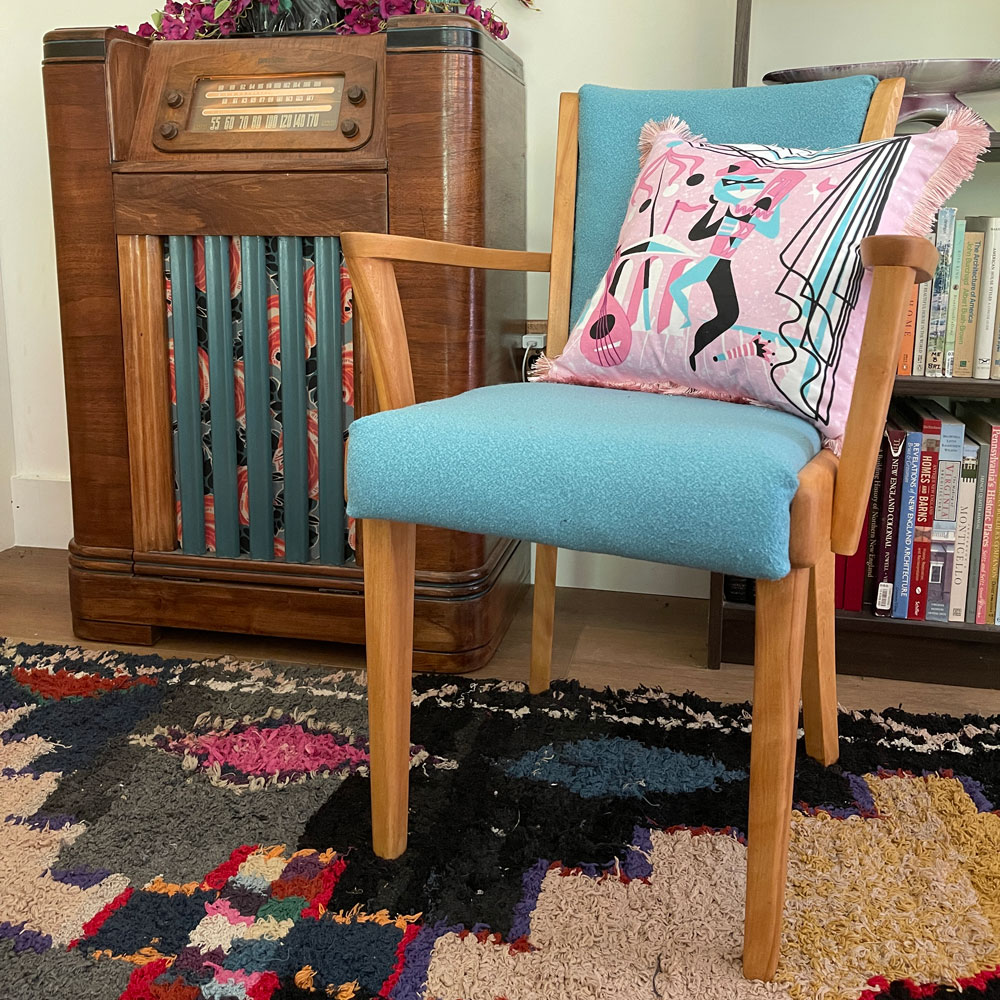
Restoring One Chair at a Time: Heywood-Wakefield C3596C Arm Chair
A recent restoration project of a 1940-44 C3596C dining arm chair. With original fabric and Wheat finish, I stripped it...
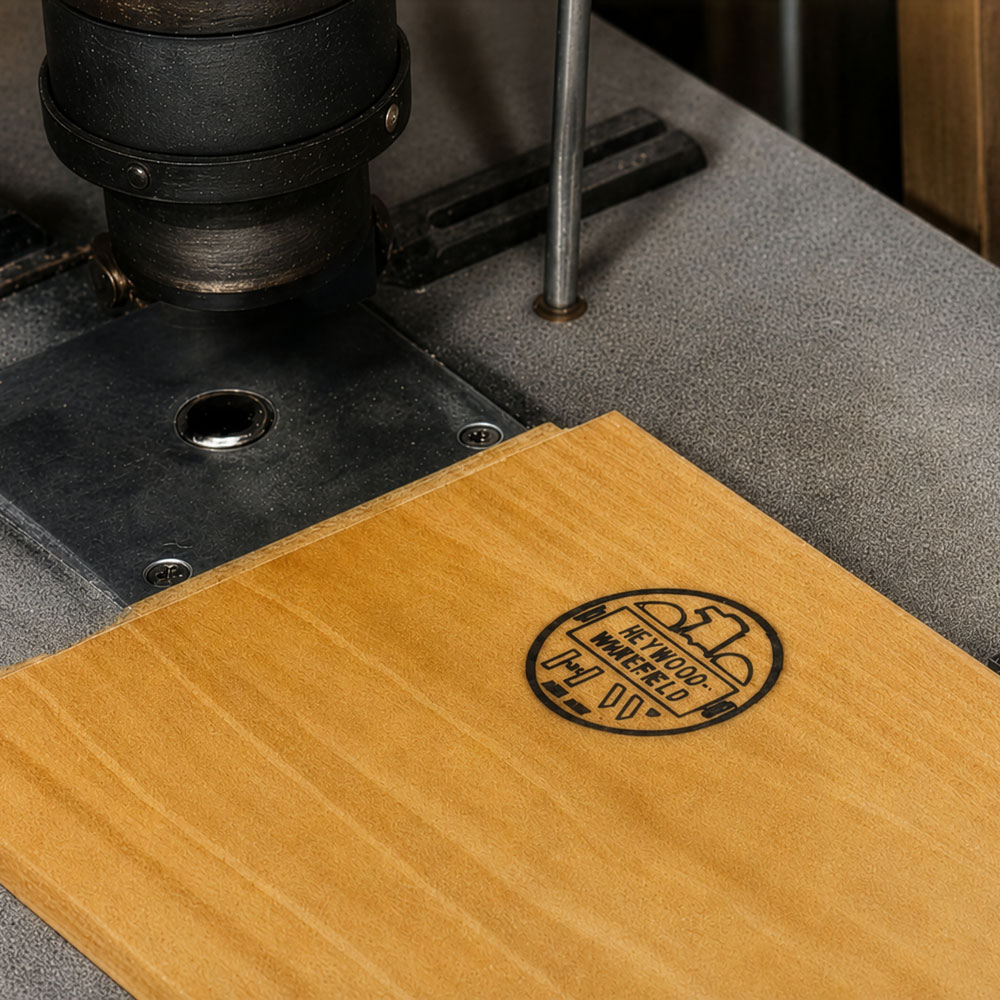
Open House at Heywood-Wakefield: From Lumber to Furniture
A short film from around 1952, Open House at Heywood-Wakefield: From Lumber to Furniture, gives us a rare look inside...
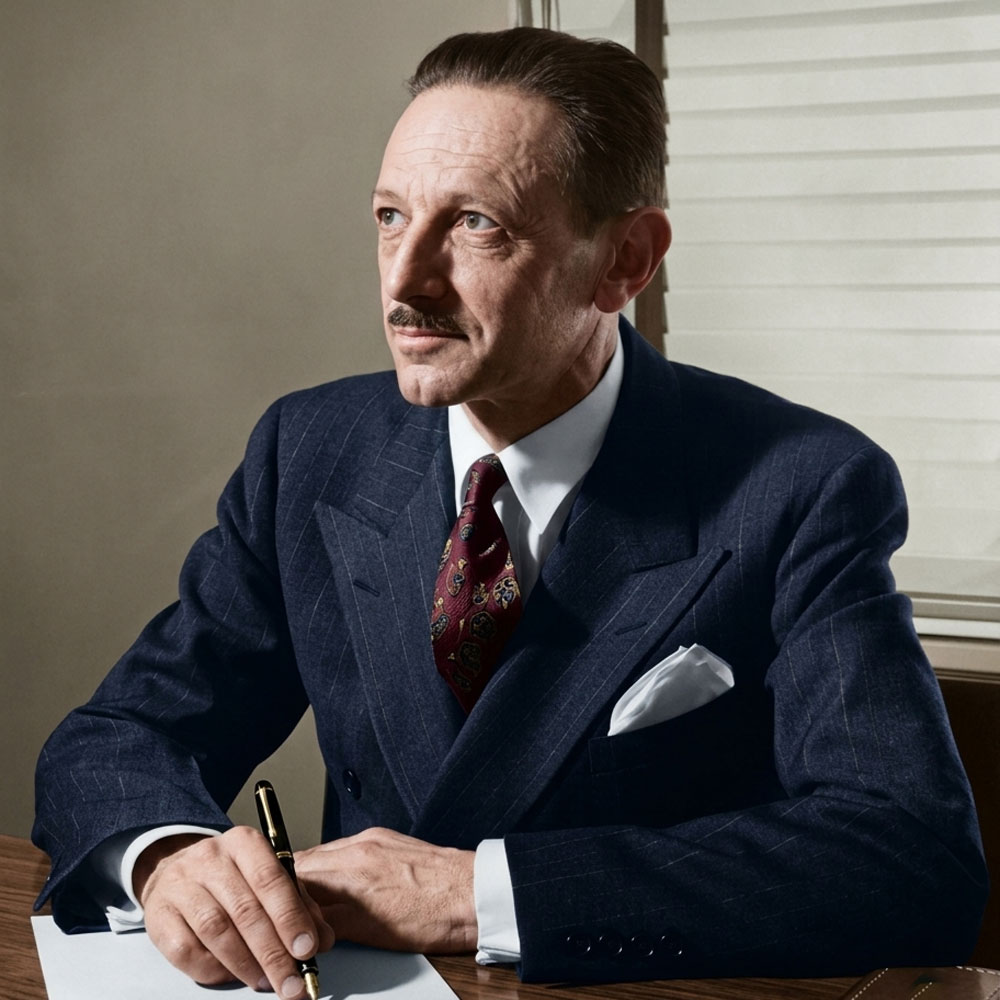
Designer for Hire: American Modern in the 1930s
In the 1930s, a number of established American furniture manufacturers began turning to outside or named designers to help modernize...
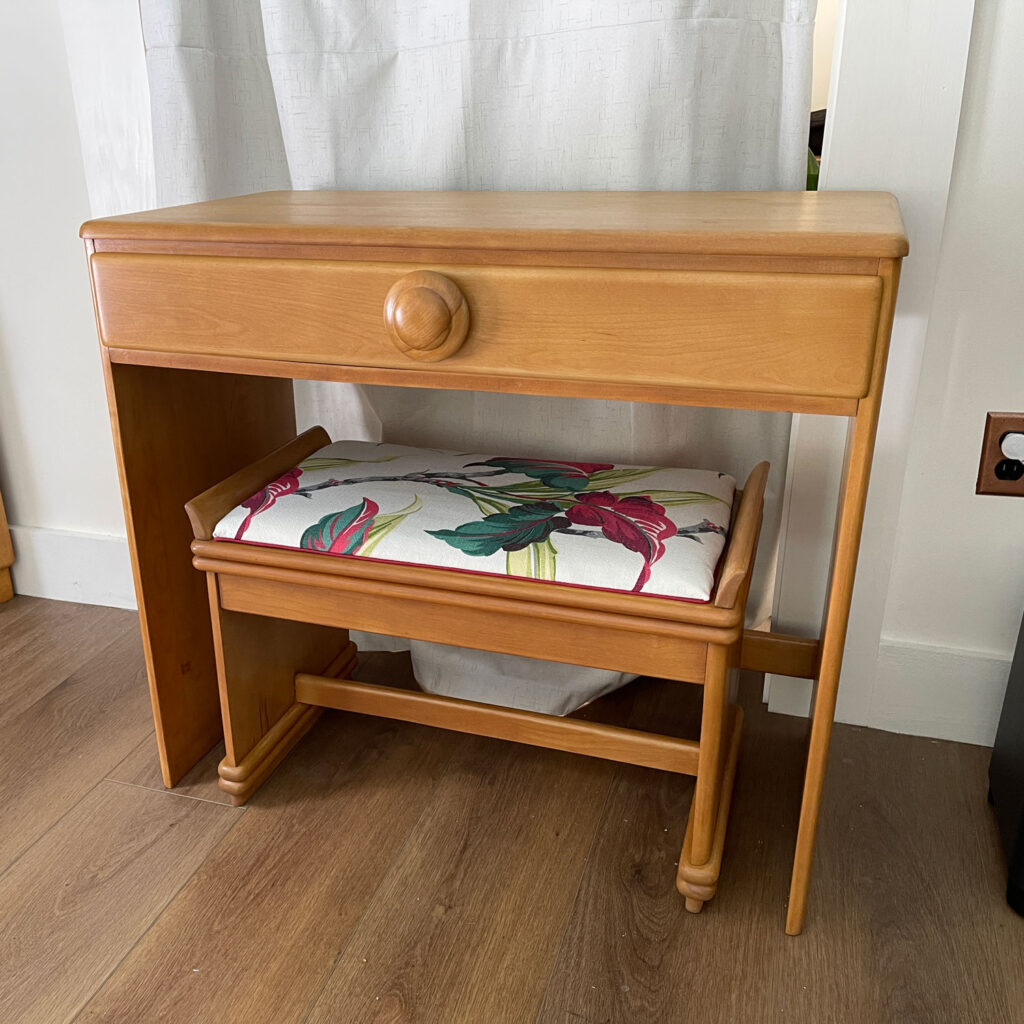
The Zephyr Vanity: A Rare Early Streamline Survivor
The Heywood-Wakefield Zephyr vanity is one of the earliest pieces from the company’s early Streamline period. Produced around 1936–1937, Zephyr...
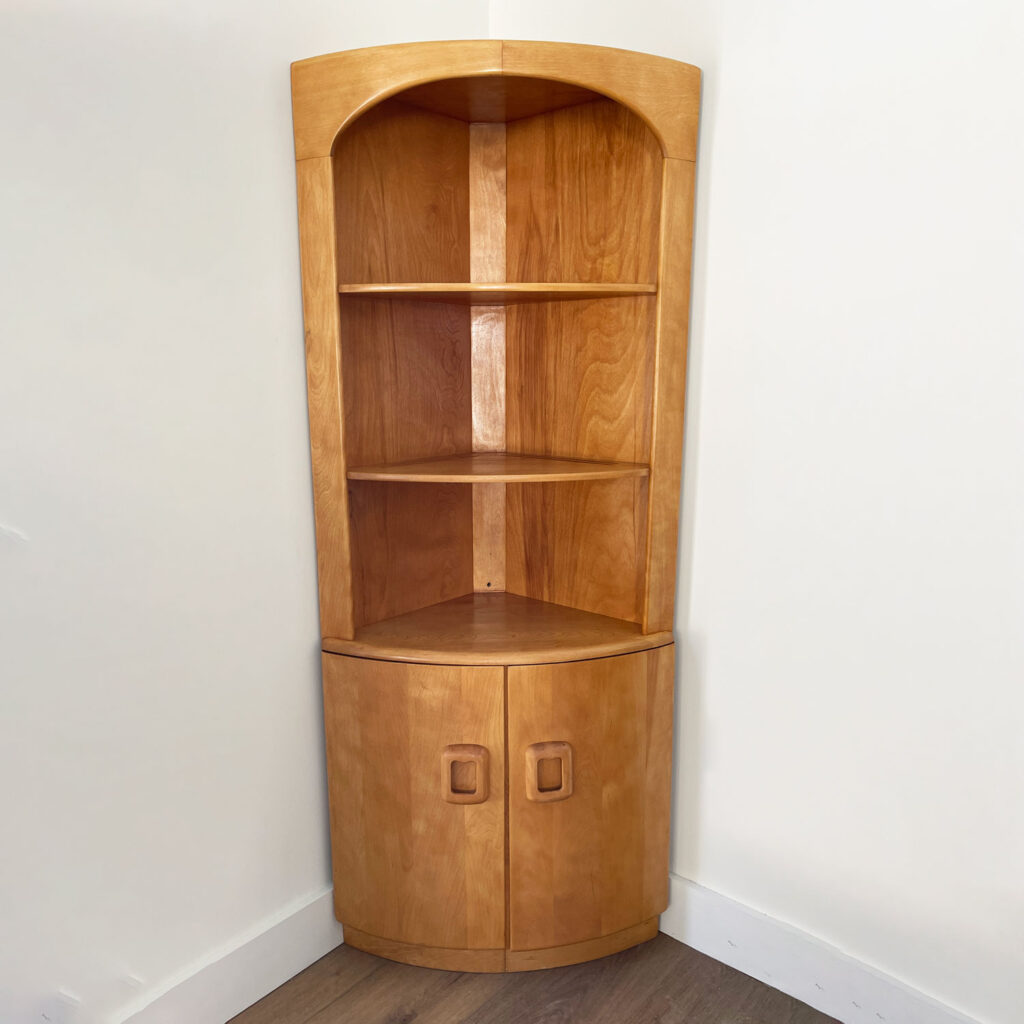
Restoring a Heywood-Wakefield M276 Corner Cabinet
I purchased this harder-to-find cabinet from a friend along with the two Streamline armchairs shown in the photo. Produced roughly...
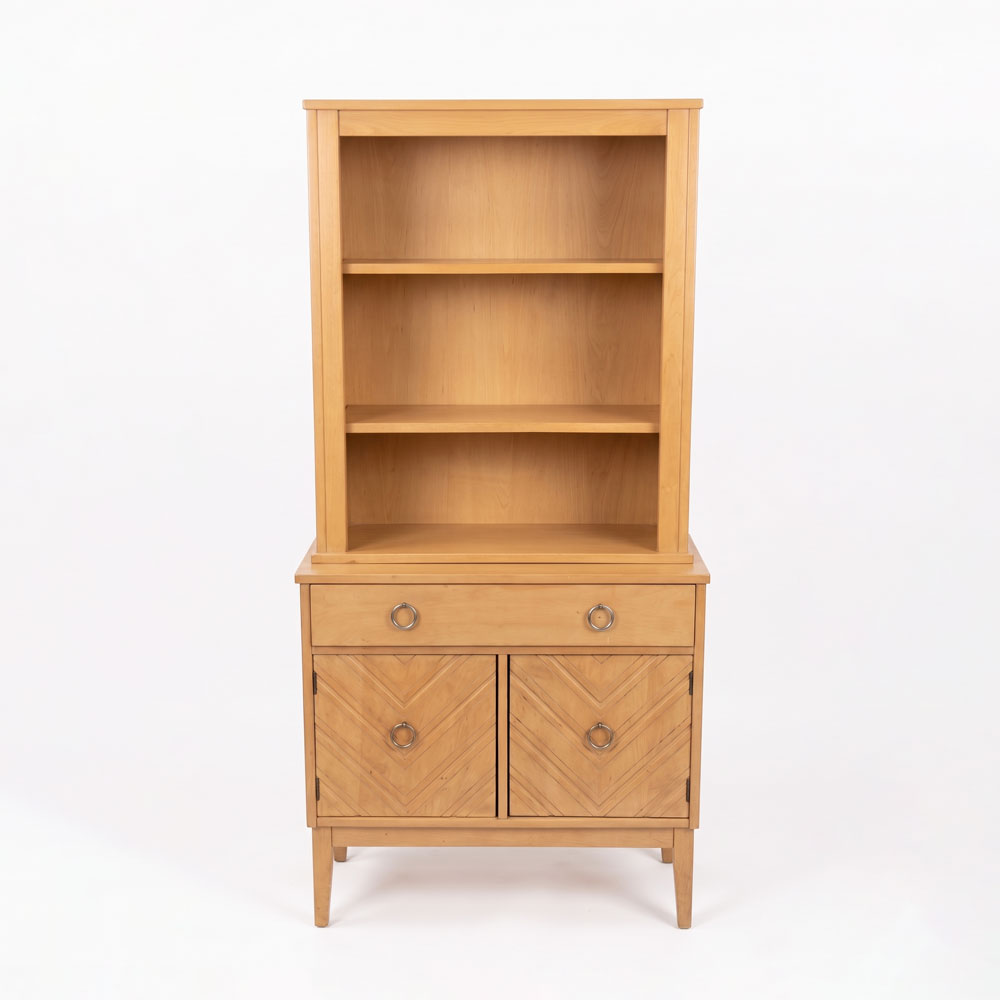
A Rare Heywood-Wakefield Textured Modern Dining Set
Every so often, a piece turns up that makes you stop and rethink what you thought you knew. This Heywood-Wakefield...
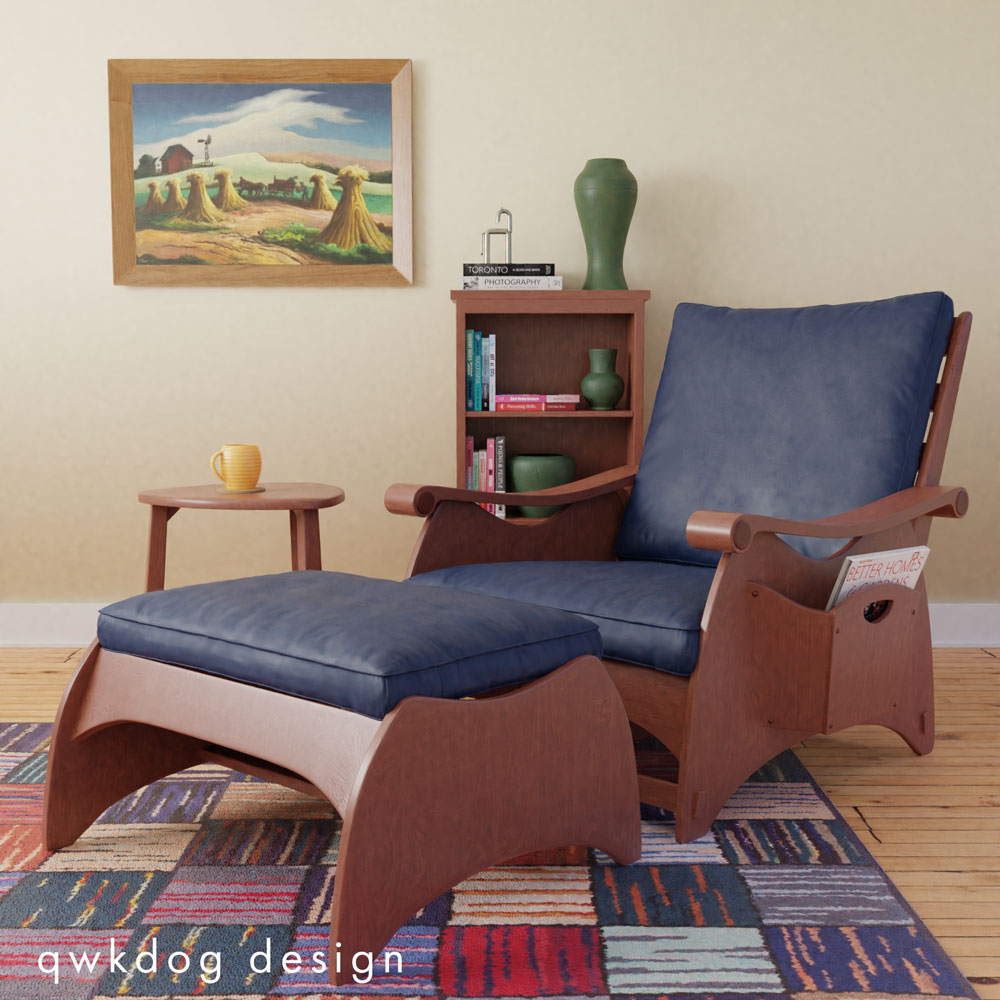
Gilbert Rohde for Heywood-Wakefield Old Colony 3D Model
This 3D modeled scene features a dining set designed by Gilbert Rohde for the furniture manufacturer Heywood-Wakefield as part of...
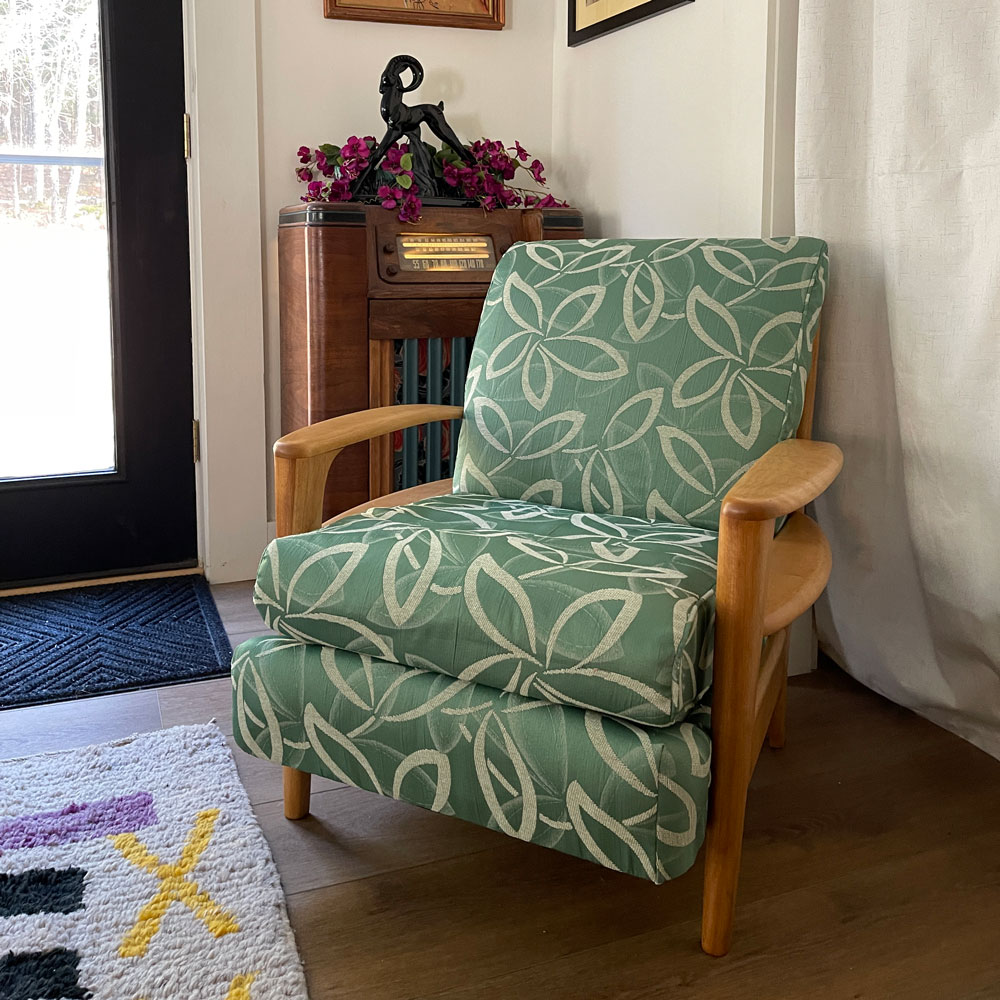
Restoring a Pair of Heywood-Wakefield C3980C Streamline Arm Chairs
These two Heywood-Wakefield C3980C arm chairs are from the company’s Streamline line, produced circa 1941–44. Like so much of Heywood-Wakefield’s...
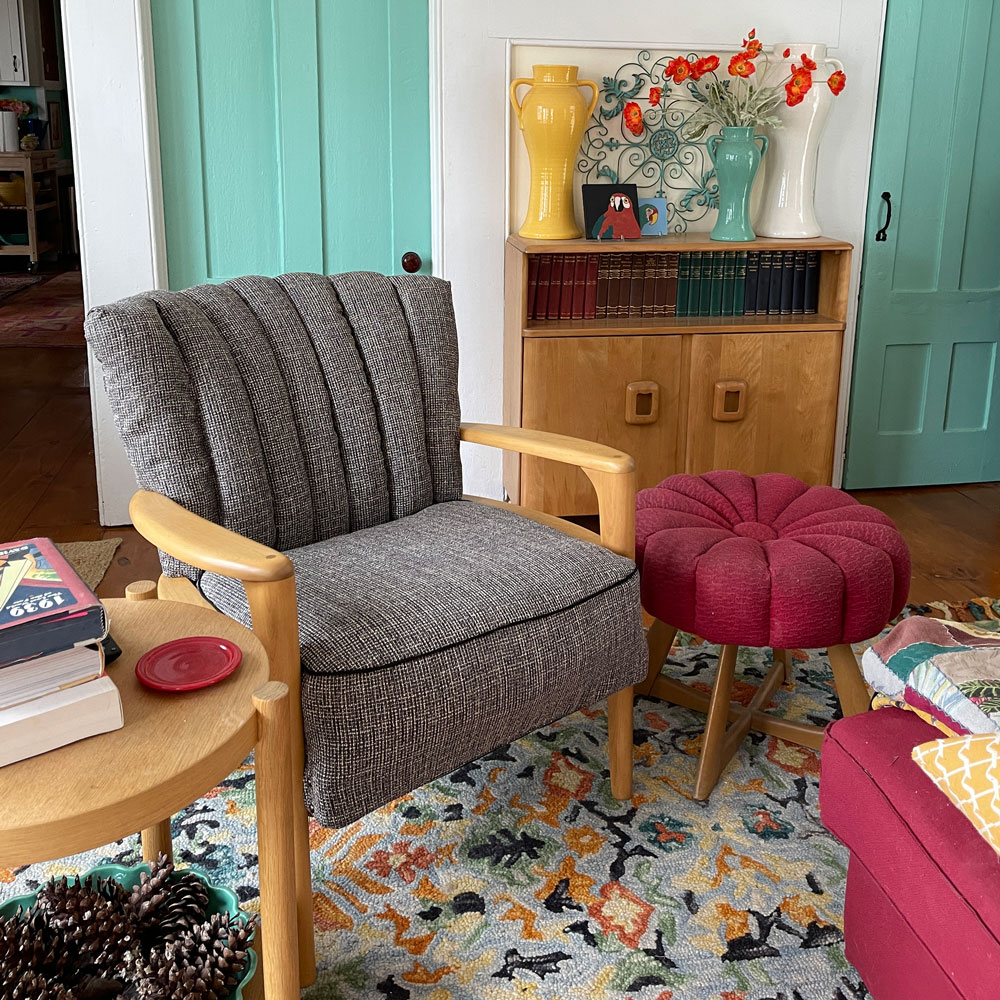
A Streamline Survivor: Reupholstering a Rare Heywood-Wakefield Chair
Some pieces arrive as furniture. Others arrive as puzzles. This Heywood-Wakefield armchair was definitely the second kind. It belongs to...
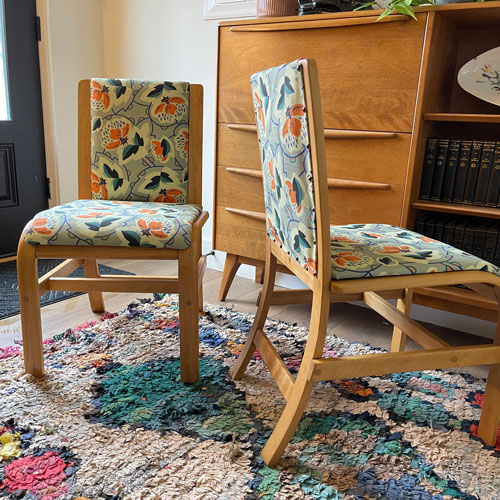
Restoring a Rare Set of 1936 Heywood-Wakefield C2918 Streamline Chairs
Some pieces announce themselves immediately. Others take a little looking. These 1936 Heywood-Wakefield C2918 chairs fall into the second category:...