




Metlox Potteries of Manhattan Beach, California, operated between 1927 and 1989 as a manufacturer of a wide range of dinnerware and artware products. An early iteration of the company, Proutyline Products Company, was founded by the Prouty family in 1921. Proutyline built a manufacturing plant in Hermosa Beach, California, and produced architectural tile under the brand Hermosa Tile. Theodor (T.C.) Prouty and his son Willis were avid inventors with over 70 patents credited to them. Among their patents was a design for a tunnel kiln in 1925, which allowed them to dramatically increase tile production. In 1926, the Proutys sold their factory to Ohio-based American Encaustic Tiling Company.
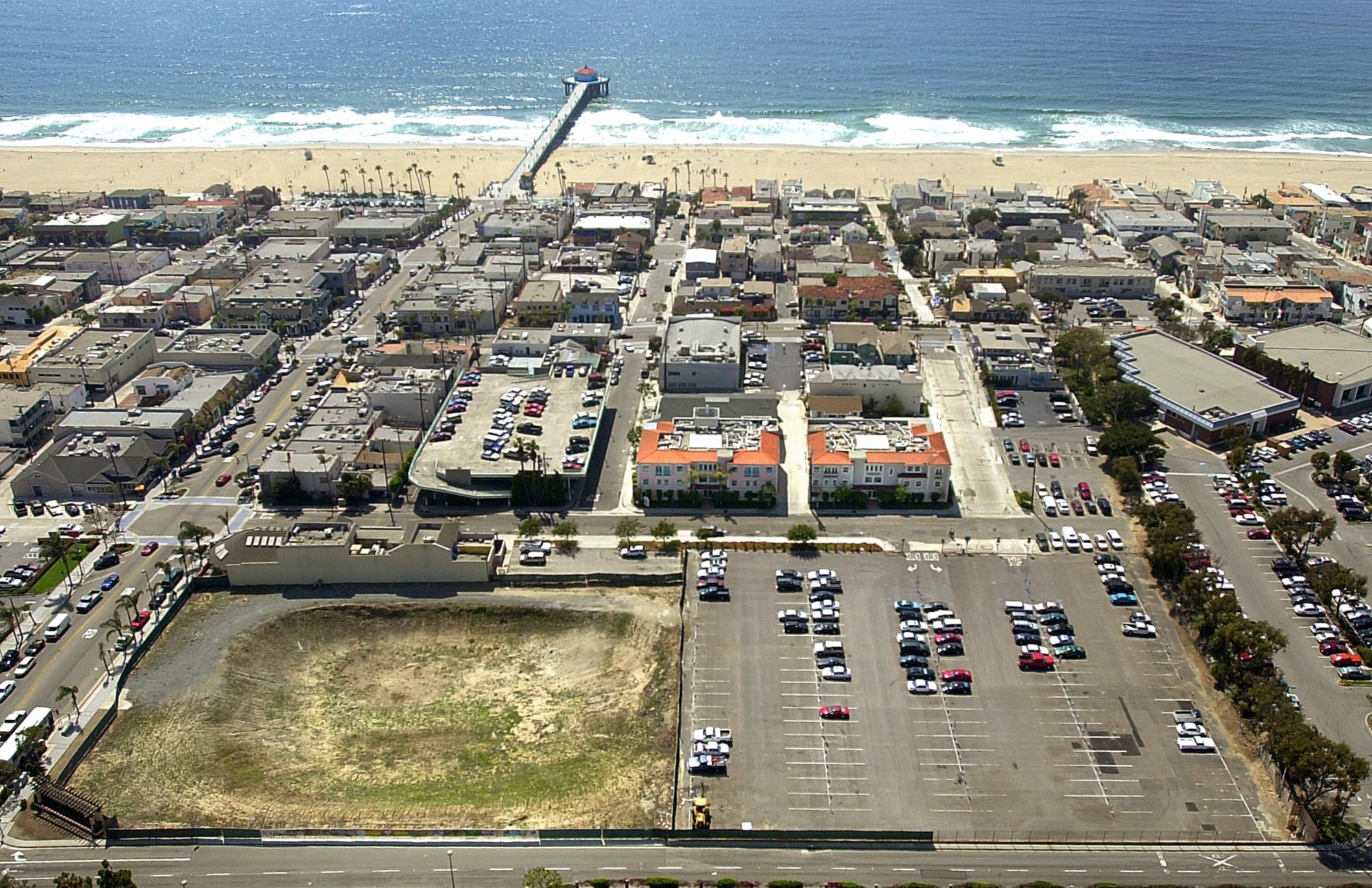
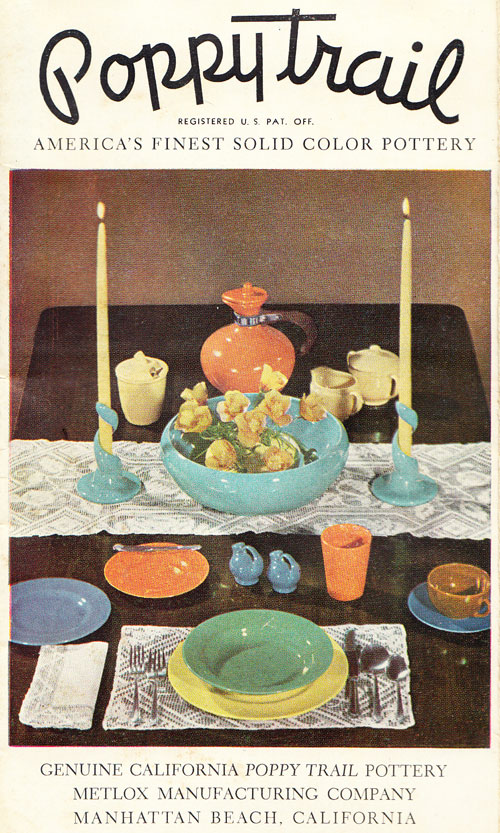
In 1927, they founded Metlox Manufacturing Company as a division of Proutyline. The name Metlox is a concatenation of “metal oxide,” a generic term for materials used in the ceramics process. Metlox began production in a new plant at 1200 Morningside Drive near downtown Manhattan Beach (the location has since been turned into a shopping mall that retains the Metlox name). Metlox’s early production included ceramic bases for neon signs: the famous Pantages theater in Hollywood boasts a Metlox-manufactured marquee. Like many potteries specializing in commercial production, business began to dramatically slow in the early 1930s. Looking for ways to stay in business, Metlox cast their eye on the popular colorware dinnerware lines being produced by J.A. Bauer & Sons and retooled their manufacturing facility for dinnerware production. There’s some dispute about when they started production, but Metlox’s most prominent colorware line, the “Poppy Trail” 200 Series started in 1934, Mission Bell (300 Series – 1935, produced for Sears), Yorkshire (1937), and Pintoria (400 Series – 1937). Artware lines followed in 1938. Metlox also produced many promotional lines, such as the California Pottery line for White King Soap in the mid-1930s.
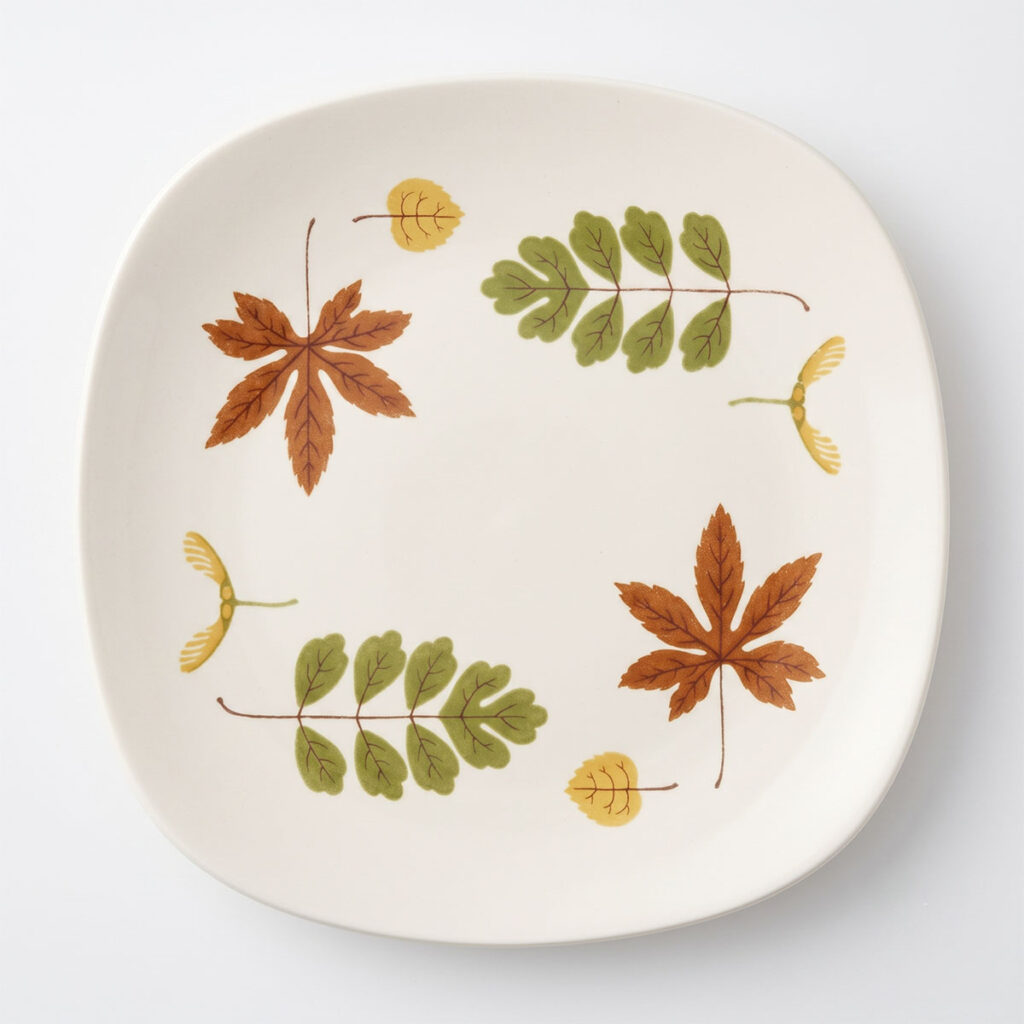
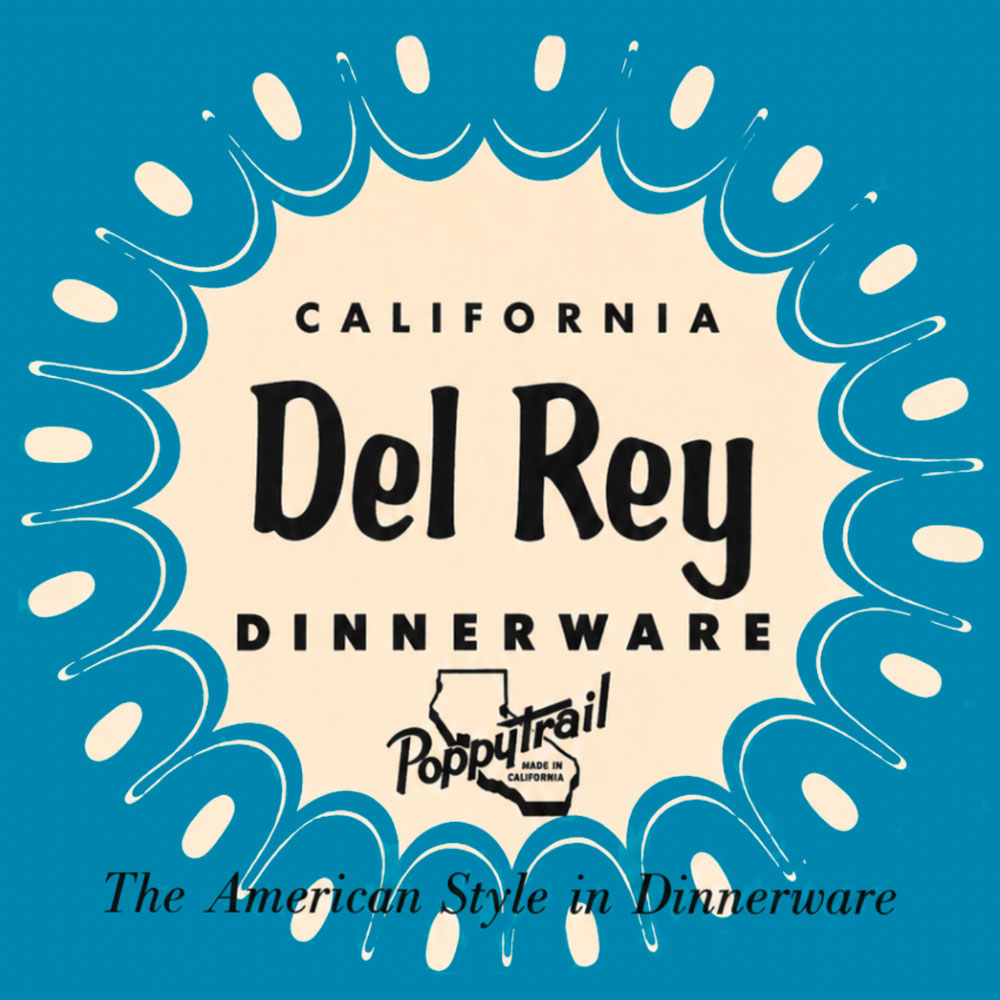
Dinnerware production halted in the early 1940s while Metlox produced a variety of metal shell casings and machine parts to support the war. Post-war dinnerware lines that followed catered to the new craze for hand-painted dinnerware (following the success of Franciscan Desert Rose) with lines like Camellia and Ivy. In 1946, Willis Prouty sold Metlox to Evan K. Shaw. Shaw developed relationships with most of the Southern California potteries and became good friends with Fay Bennison, the president of Vernon Kilns. Metlox’s best and most interesting dinnerware design work came under the direction of Shaw in the 1950s with iconic lines like Contempora, Aztec, Navajo and Del Rey, to name just a few.
Faced with changing consumer tastes, increased foreign competition (copying!) and rising production costs, Metlox closed their doors in 1989.