




Coffee Table Exotica: Midcentury Ceramic Giftware and the Sometimes Inappropriate Fantasy of Elsewhere
One of the most visually striking parts of 1950s ceramic giftware is its fascination with “exotica.” Tropical dancers, hula girls, masked figures, stylized faces, Asian-inspired motifs, Mexican and Spanish fantasy scenes, faux-primitive figures, jungle animals, and vaguely “foreign” landscapes appeared across ashtrays, platters, wall plaques, figurines, planters, lamps, and hostessware.
These pieces can be beautiful, funny, theatrical, and highly collectible. They can also feel uncomfortable today. That tension is worth exploring because exotica was not a minor decorative theme in the midcentury period. It belonged to a broader postwar appetite for fantasy, travel, leisure, and escape. The same culture that embraced tiki bars, Hawaiian shirts, tropical cocktails, Polynesian-themed restaurants, Hollywood adventure films, and world’s fair-style displays also brought similar imagery into the home through small decorative objects. Ceramic giftware became one of the easiest ways to buy into that mood.
In the 1950s home, ceramic giftware had a specific social role. Ashtrays, cocktail trays, divided dishes, tidbit plates, planters, candleholders, and bar accessories were part of the equipment of entertaining. They helped turn a coffee table, patio cart, buffet, or bar into a little stage set for hospitality. Hostess culture gave these objects a purpose: they were meant to charm guests, signal taste, and create atmosphere.
Exotica fit that purpose perfectly. A tropical ashtray, dancer tray, stylized mask, or figure could make an ordinary living room feel more glamorous, worldly, or playful. These objects were not asking the buyer to understand another culture in any deep or specific way. They were selling atmosphere: the look of travel without the travel, the thrill of difference without the complexity, and the romance of elsewhere scaled down to a coffee table.
That is also where the complication begins. Much midcentury exotica blended references freely, turning faces, costumes, gestures, headdresses, instruments, dances, landscapes, and animals into shorthand for mystery, sensuality, primitiveness, leisure, or escape. In ceramic giftware, a figure might be reduced to costume. A culture might become a pattern. A person might become a decorative type.
The result was often visually appealing but culturally flattened. These designs usually tell us less about the cultures they appear to reference than they do about midcentury American fantasies of those cultures. Southern California is central to this story. By the 1950s, the region was one of the most important ceramic centers in the United States, producing everything from dinnerware and tile to figural ceramics, garden pottery, architectural pieces, and artist-designed giftware. Its pottery industry drew energy from Hollywood glamour, postwar growth, indoor-outdoor living, and a retail culture eager for novelty and style.
That setting matters because many exotica designs feel theatrical by nature. Southern California ceramics existed near film studios, costume design, set design, tourism, and theme-driven nightlife. Artists and manufacturers were not just making useful objects; they were making atmosphere. A ceramic tray or figurine could borrow the visual language of a movie set, nightclub, travel poster, or stage costume. The same qualities that made these pieces memorable and sellable in the 1950s can make them feel reductive now.
For collectors, a thoughtful approach does not require rejecting the object or erasing the name it was sold under. Many of those names are useful for identification. They help connect a piece to a maker, a line, a catalog, or a collecting history. But the name is not neutral. It is part of the design package, along with the color, form, gesture, costume, and setting. It helps explain how the piece was marketed, what kind of fantasy it offered, and why the same object may read differently now.
A piece like Hedi Schoop’s so-called Ubangi head vase sharpens the issue. Schoop was a talented artist, and the object has the bold sculptural presence associated with her work. But it is also a white artist’s interpretation of an African identity, filtered through a midcentury American market that was comfortable turning racialized imagery into novelty and function. The fact that the head becomes an ashtray makes the piece especially difficult to separate from that context. For some collectors, it may be an important artifact to document or study, but not an object they would feel comfortable owning or displaying.
That is part of collecting thoughtfully. Not every historically significant object needs to enter a personal collection. Some pieces are better understood through documentation, photographs, catalog references, or museum context. Choosing not to own something is not the same as pretending it did not exist. It can be a way of acknowledging that the object’s history is real, but that its presence in the home carries a meaning the collector does not want to reproduce.
Exotica also belongs to the history of the American home. It turned the coffee table into a stage, the bar cart into a destination, and the hostess tray into a souvenir of places many buyers had never been. It promised worldliness but often delivered fantasy. It showed what postwar consumers wanted to feel: modern, relaxed, adventurous, playful, and just a little glamorous.
To collect midcentury ceramic exotica thoughtfully is not to pretend it is harmless, and not to drain it of pleasure either. It is to hold both truths at once. These objects are part of a vibrant ceramic and design history. They are also artifacts of a culture that often turned other people’s identities into atmosphere.
More Exotica
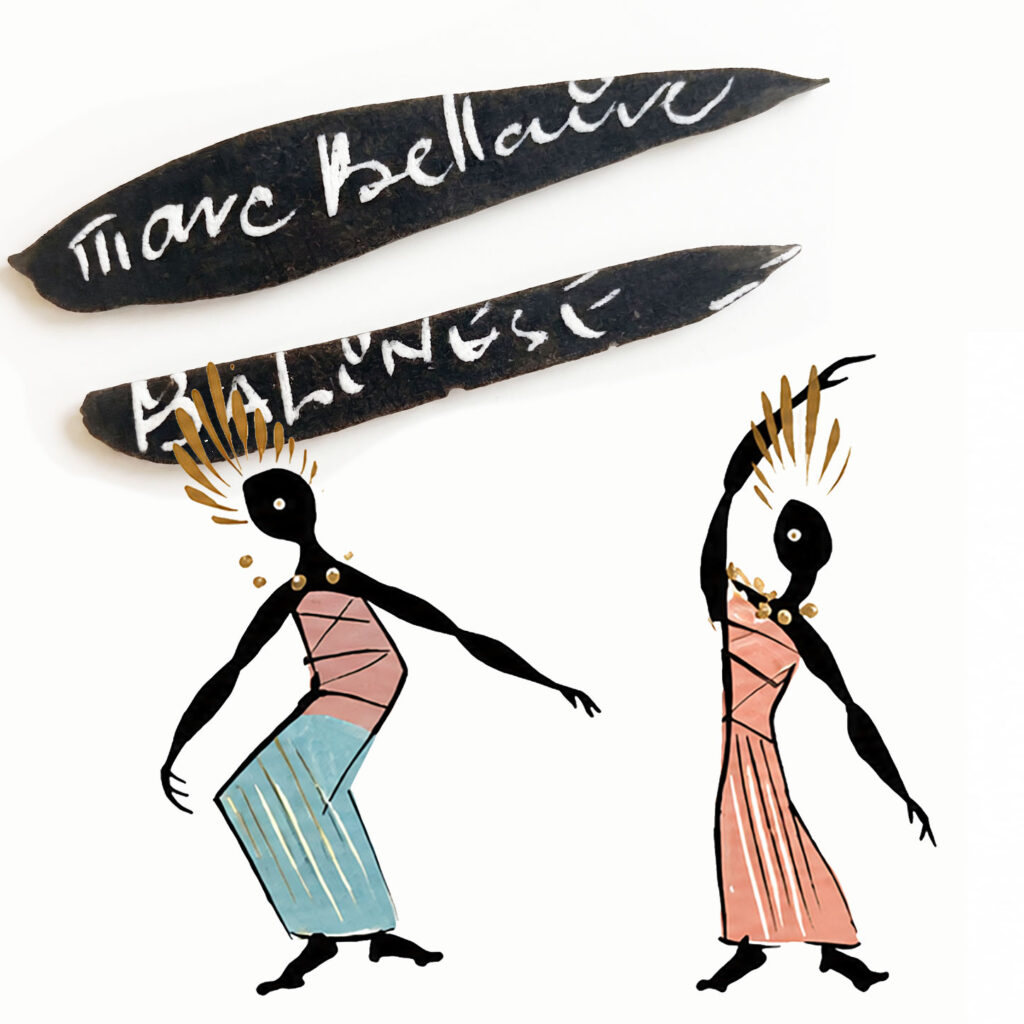
Dancers and Décor: Marc Bellaire’s Balinese Line
Marc Bellaire’s Balinese line belongs to a very specific moment in American decorative ceramics. Produced in the postwar period, it...
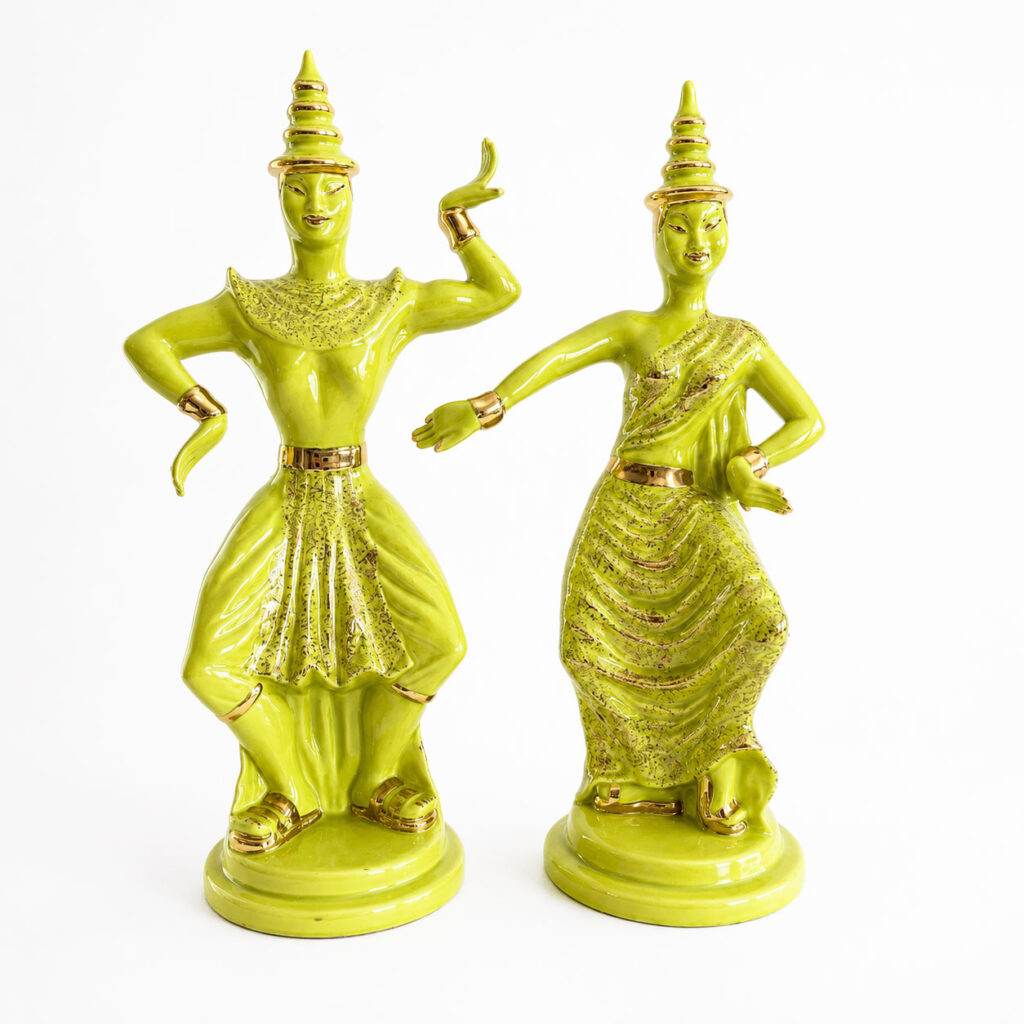
Yona of California: A Small Studio in the California Giftware Boom
Yona of California was a small Los Angeles-area ceramics company active in the 1940s and early 1950s founded by Max...
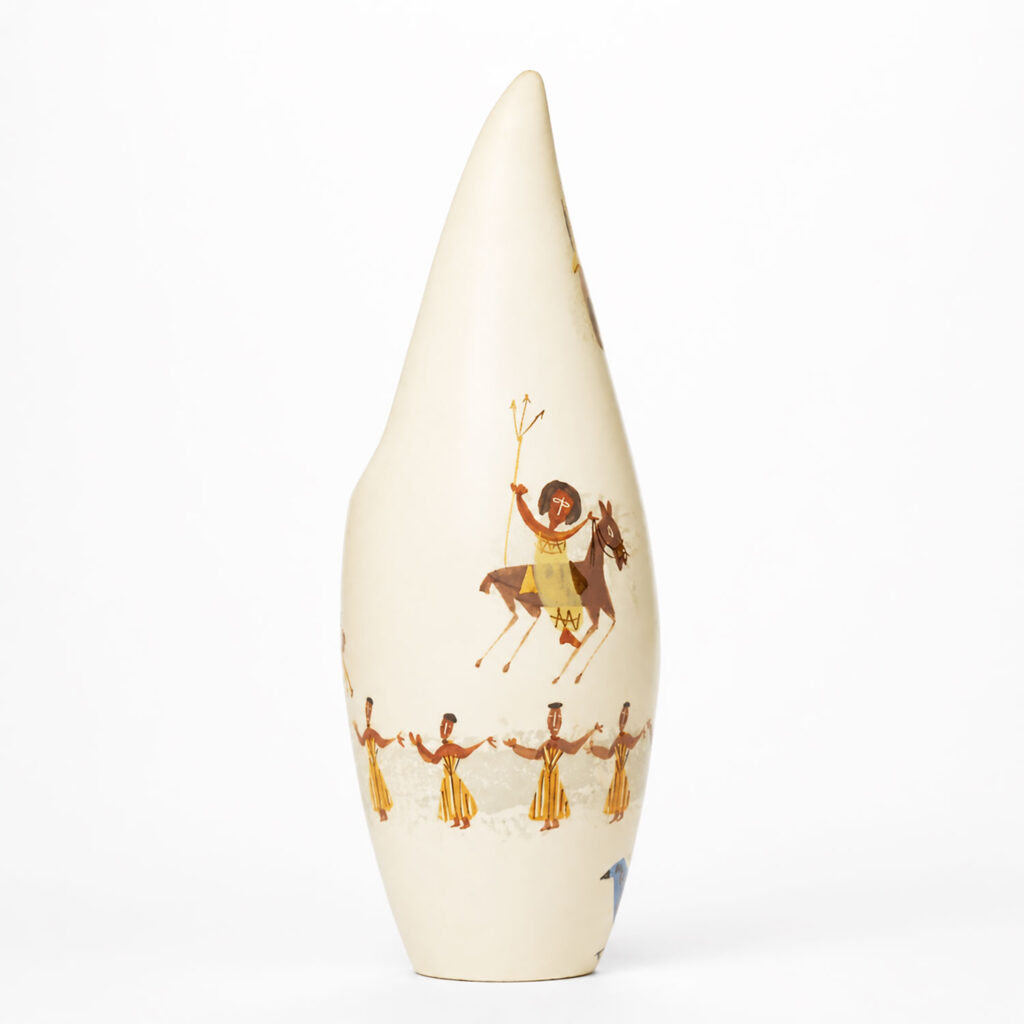
Ingle, Bellaire, and the Kashmir Line
Bellaire was part of the postwar California ceramics scene, producing hand-decorated pieces in modern shapes with strong graphic designs. He...
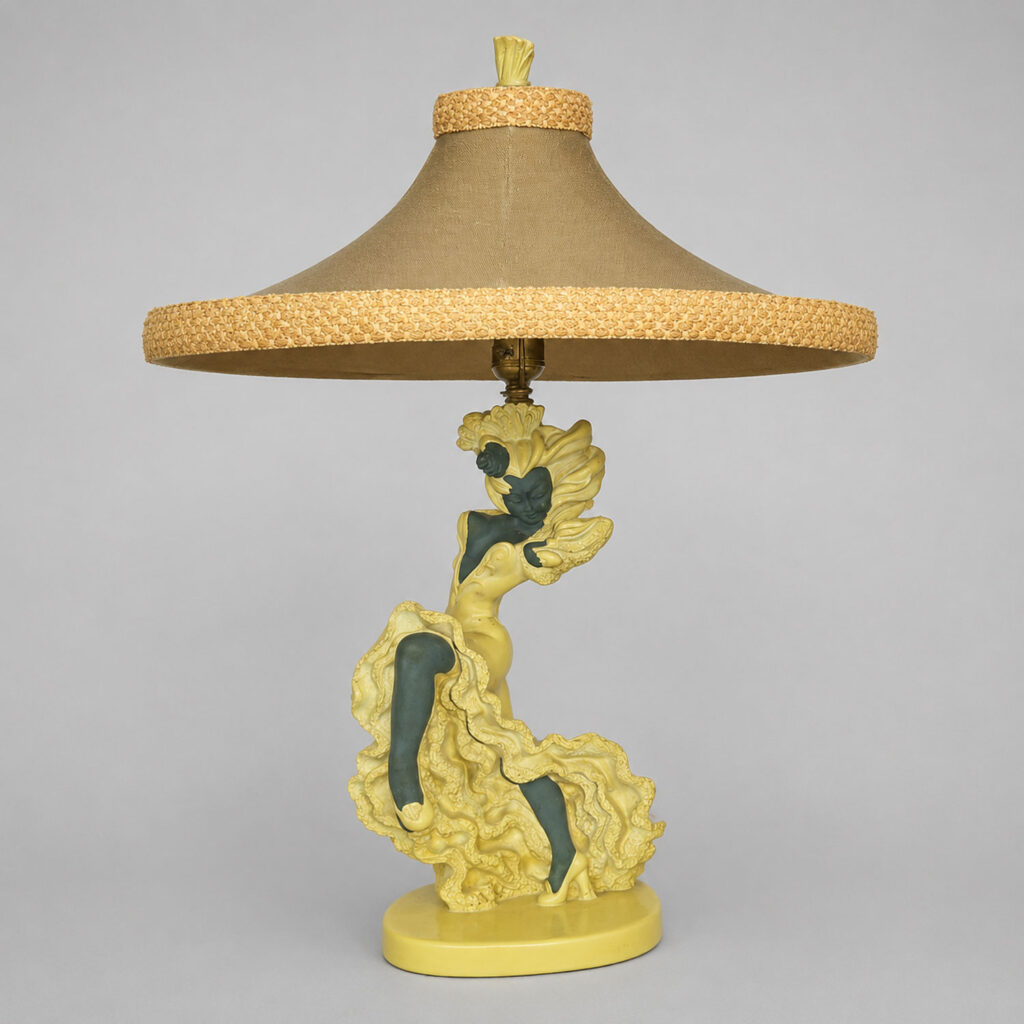
Reglor of California: Theatrical Lamps for the Postwar Interior
Reglor of California sits right in that postwar California decorative-lamp world where the boundary between sculpture, souvenir, Hollywood Regency, and...
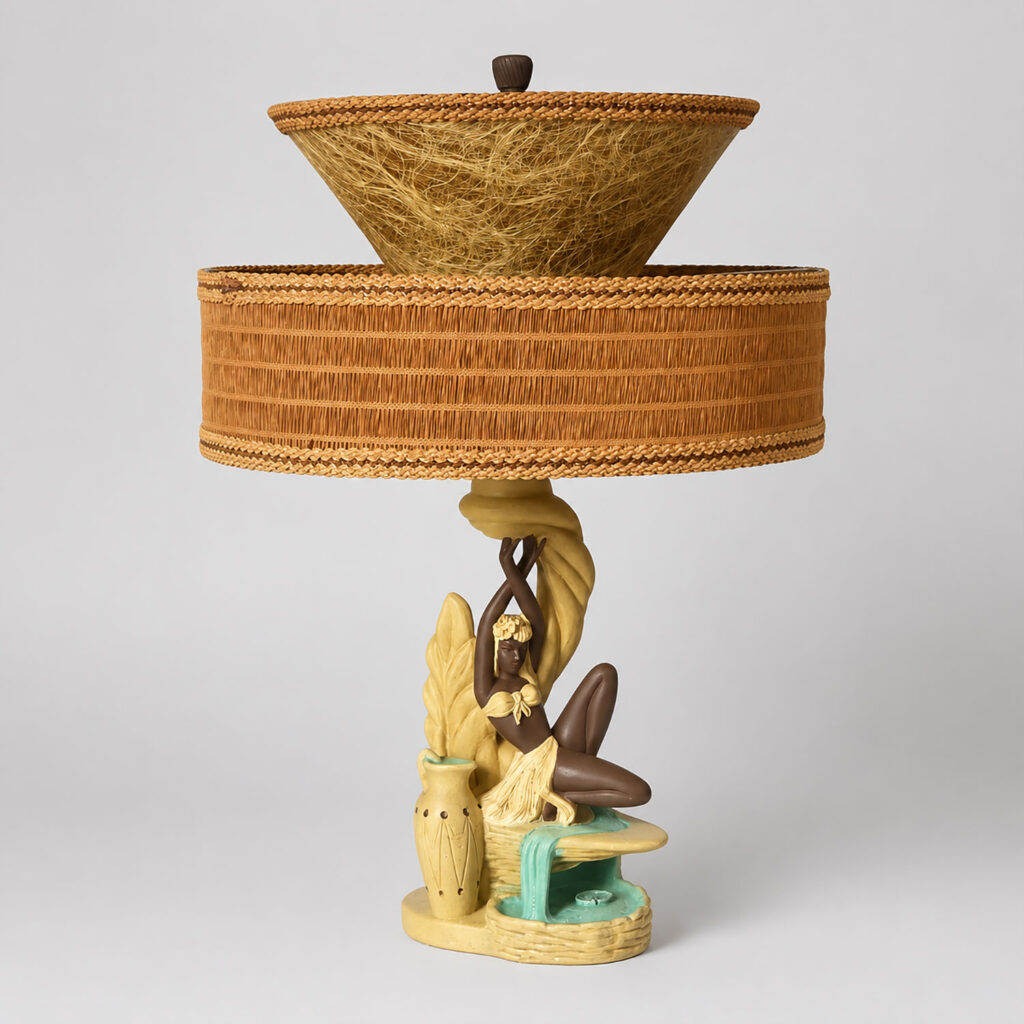
Continental Art Company Lamps: Mid-Century Drama
Continental Art Lamp Company was a Chicago-based manufacturer located on the city’s well-known Division Street. The company was owned by...
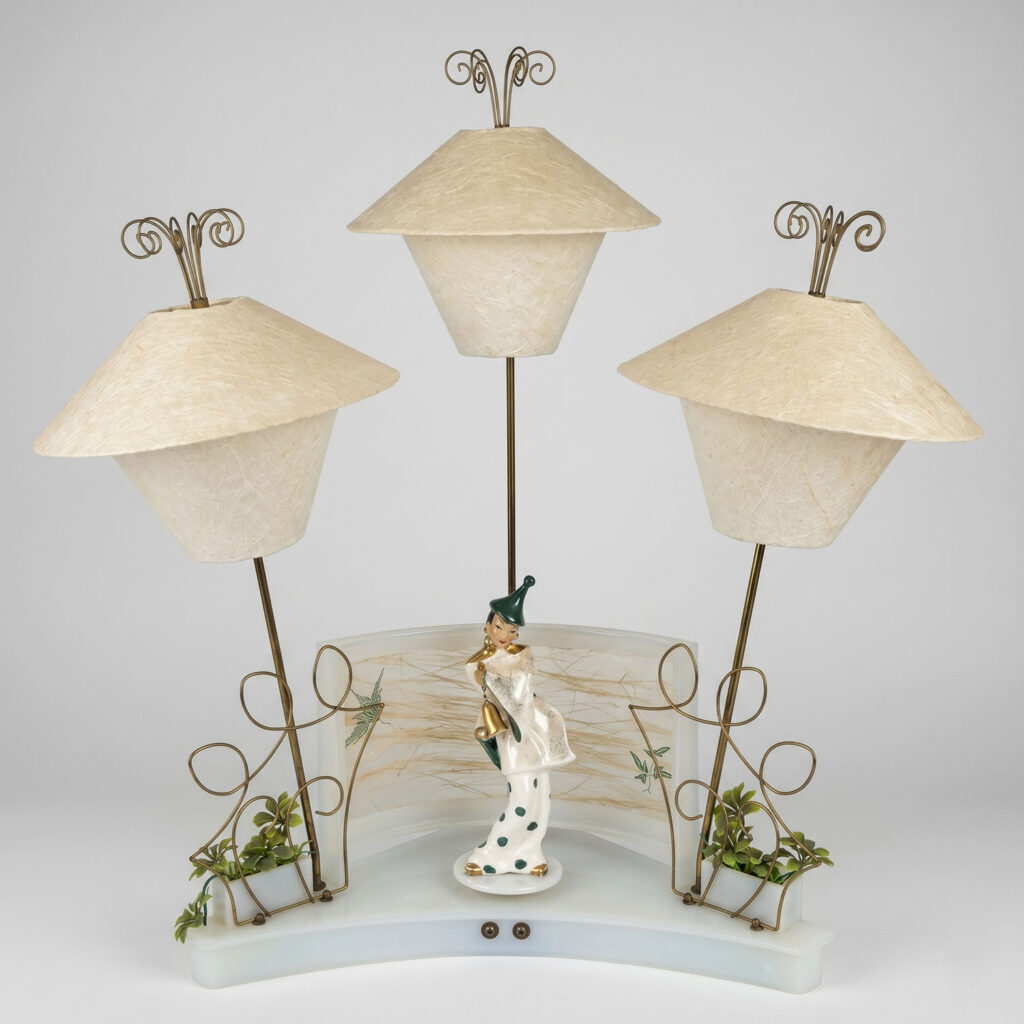
Moss Lamps: Mid-Century Lighting at Full Volume
Moss lamps occupy a very particular corner of mid-century design: theatrical, decorative, slightly outrageous, and completely unmistakable. Produced by the...