



Metalcraft Corporation: Tubular Steel Furniture of 1938
Metalcraft started in the early 1920s and was fundamentally a metalworking company. Their primary focus was toys (metal cars, airplanes, and trucks), advertising premiums, and playground equipment. In the mid-1930s, they began producing tubular steel furniture.
The Depression disrupted demand for discretionary goods like toys and promotional items. Companies with fixed factories and labor often had to diversify to stay operational. Tubular steel furniture was one of the few growing categories at the time, driven by the rise of modern design and smaller, more urban living spaces. It offered a way to keep machines running using the same materials and processes (bent steel tubing, welding, and enameled finishes) without requiring a fundamental shift in how the company operated.
What makes this transition interesting is that it wasn’t design-led. Metalcraft wasn’t trying to compete with European modernists. Instead, this is an American interpretation of that movement, applied in a practical way. The Bauhaus influence is there in the use of tubular steel and simplified forms, but the execution is focused on durability and everyday use.
In the catalog, you’ll see that Metalcraft produced an array of outdoor and casual furniture in a variety of colors and finishes. The forms are streamlined, but still practical and approachable. These are not abstract pieces, but well-designed furniture meant to be used, moved around, and hold up over time. Chrome frames are paired with painted or enameled surfaces, often in color, which gives them a distinctly American feel compared to the more restrained European examples.
Metalcraft didn’t make it through the Depression. The company closed in 1938, and their furniture production was relatively short-lived. As a result, many of these pieces today are unmarked or loosely attributed, often showing up simply as “machine age” or “industrial” furniture.
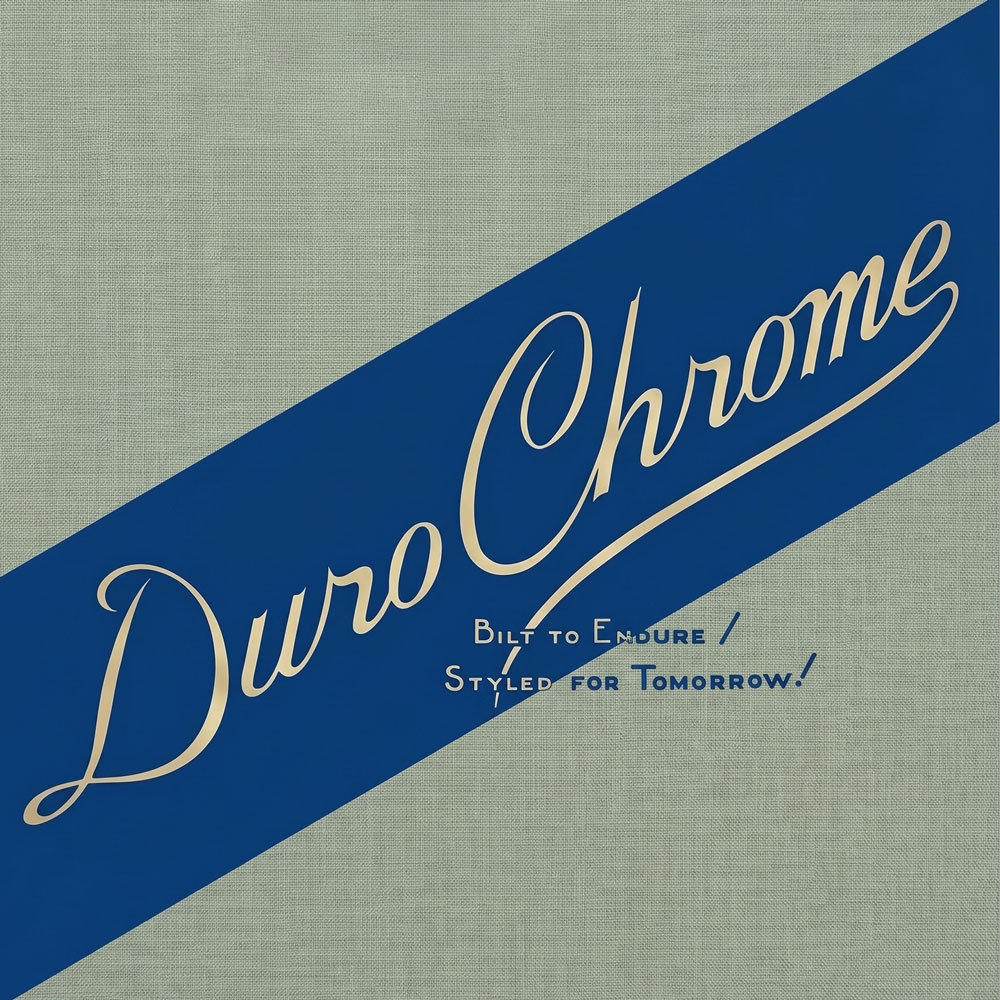
The 1938 catalog presented here has been digitally restored in full. It captures a moment where a company built on industrial production applied its capabilities to the home, offering a practical version of modern design grounded in American aesthetic.