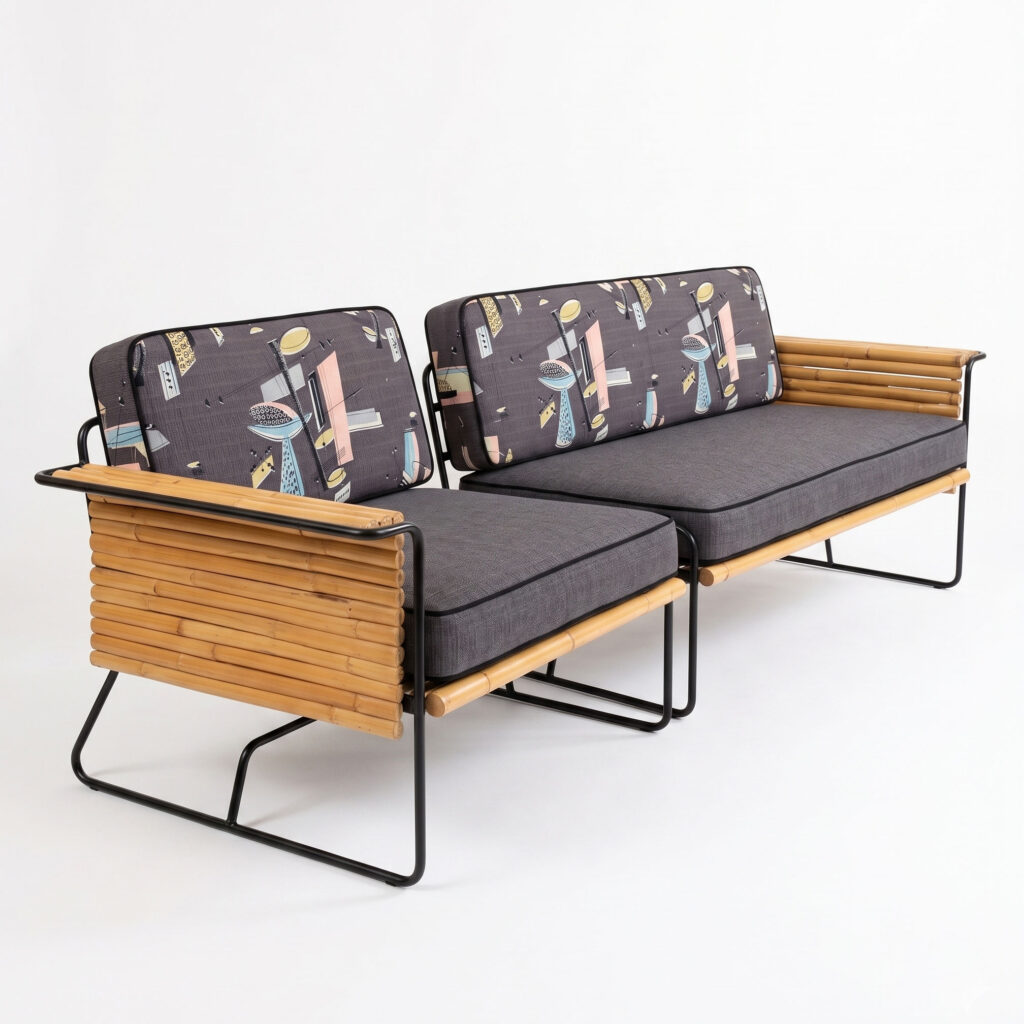




Ritts Wroughtan: Rattan Meets Iron
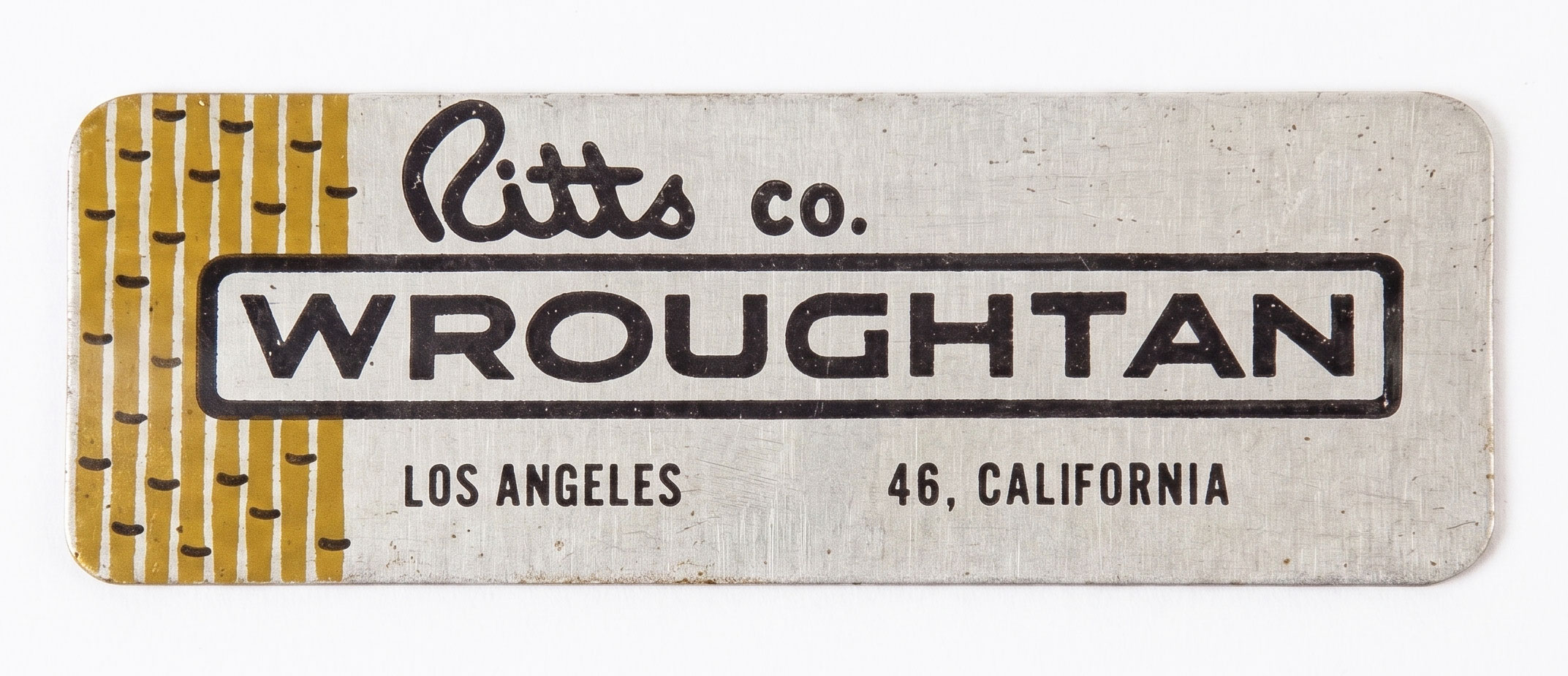
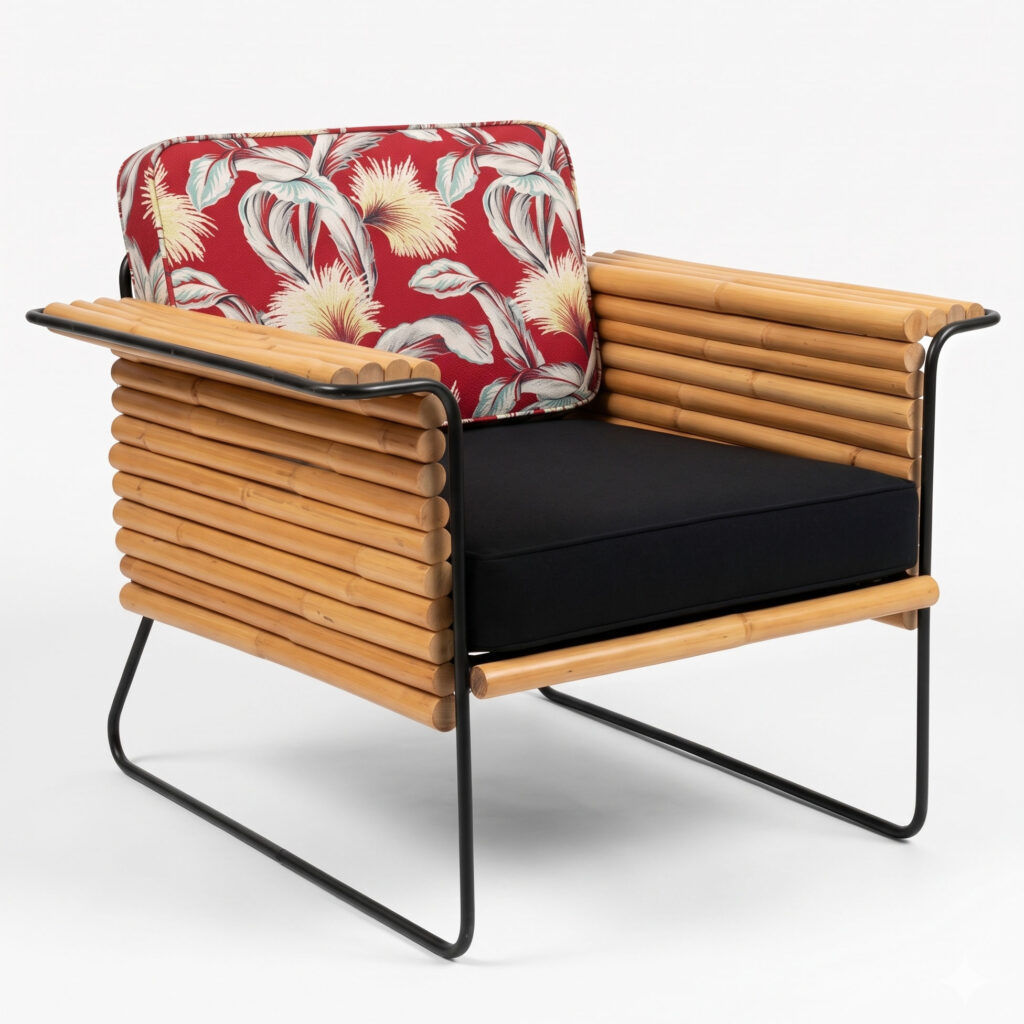
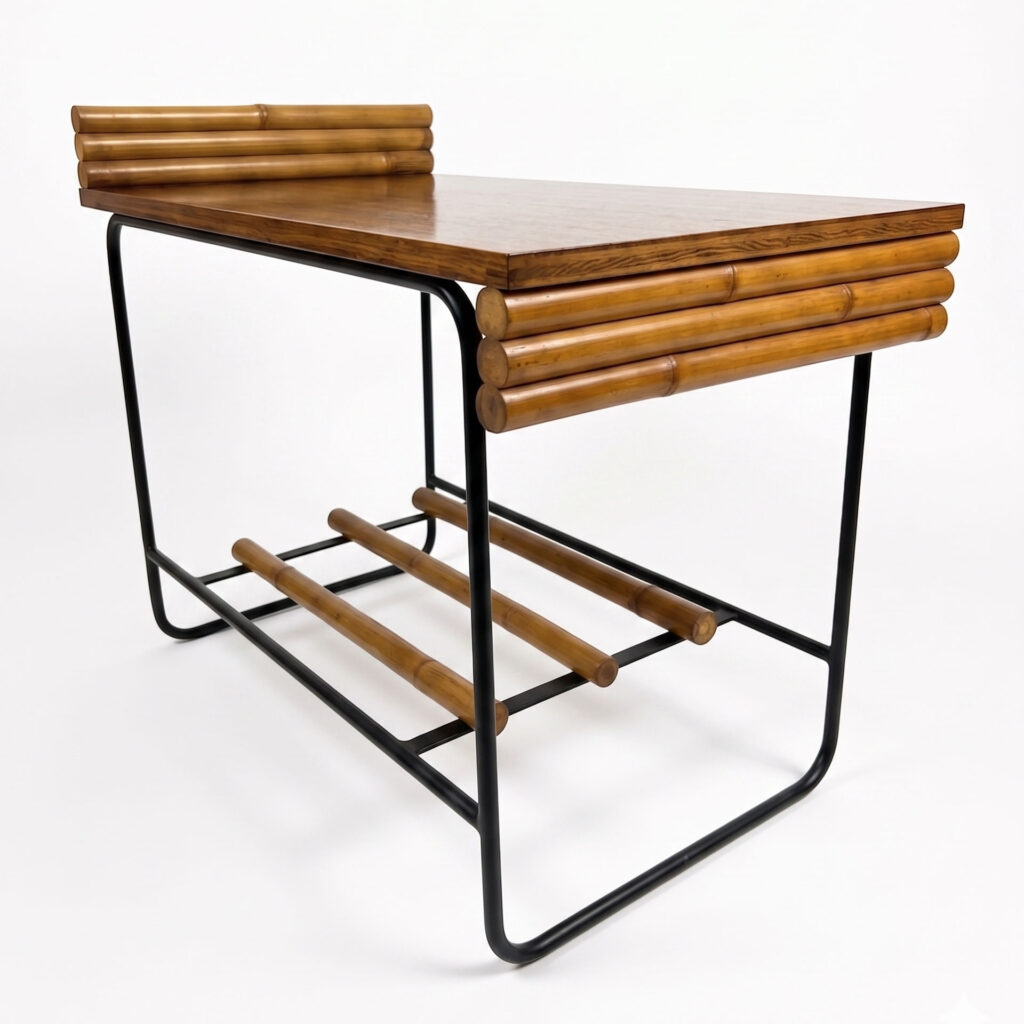
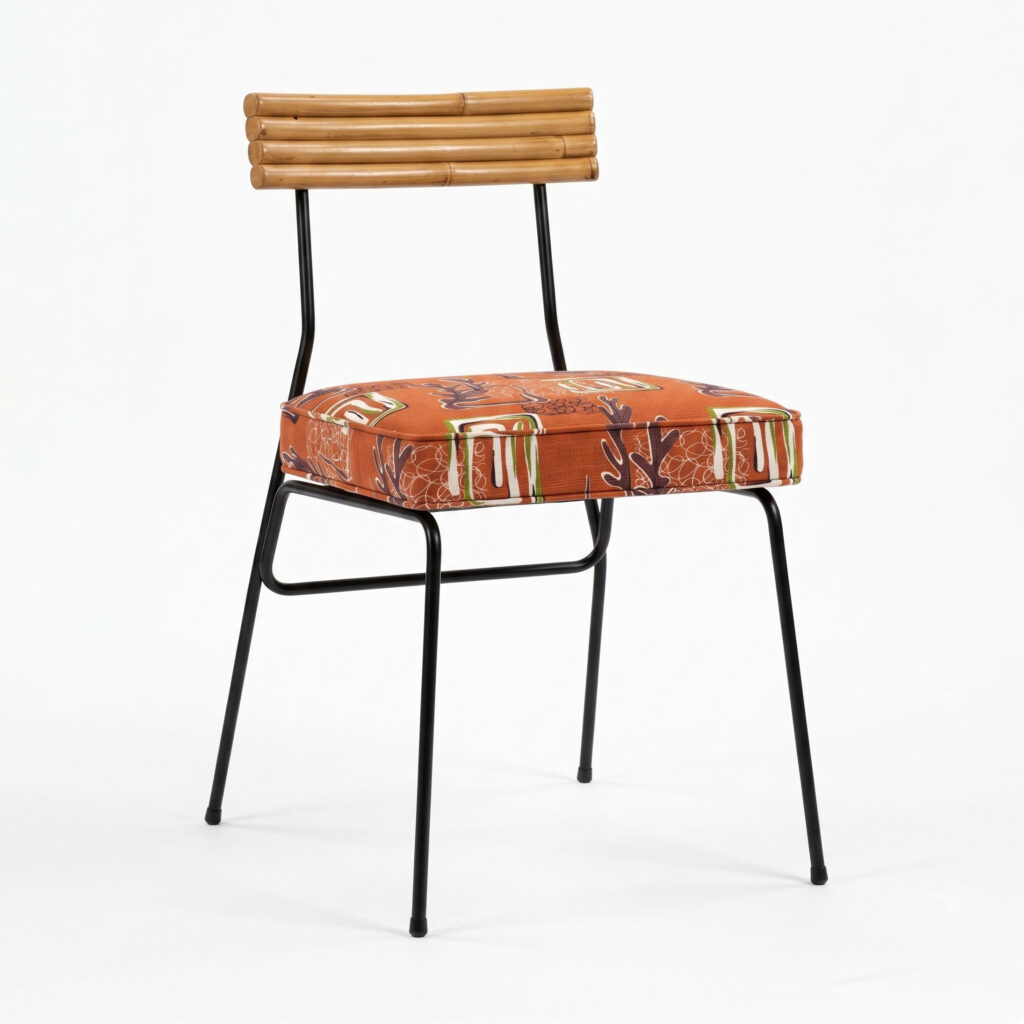
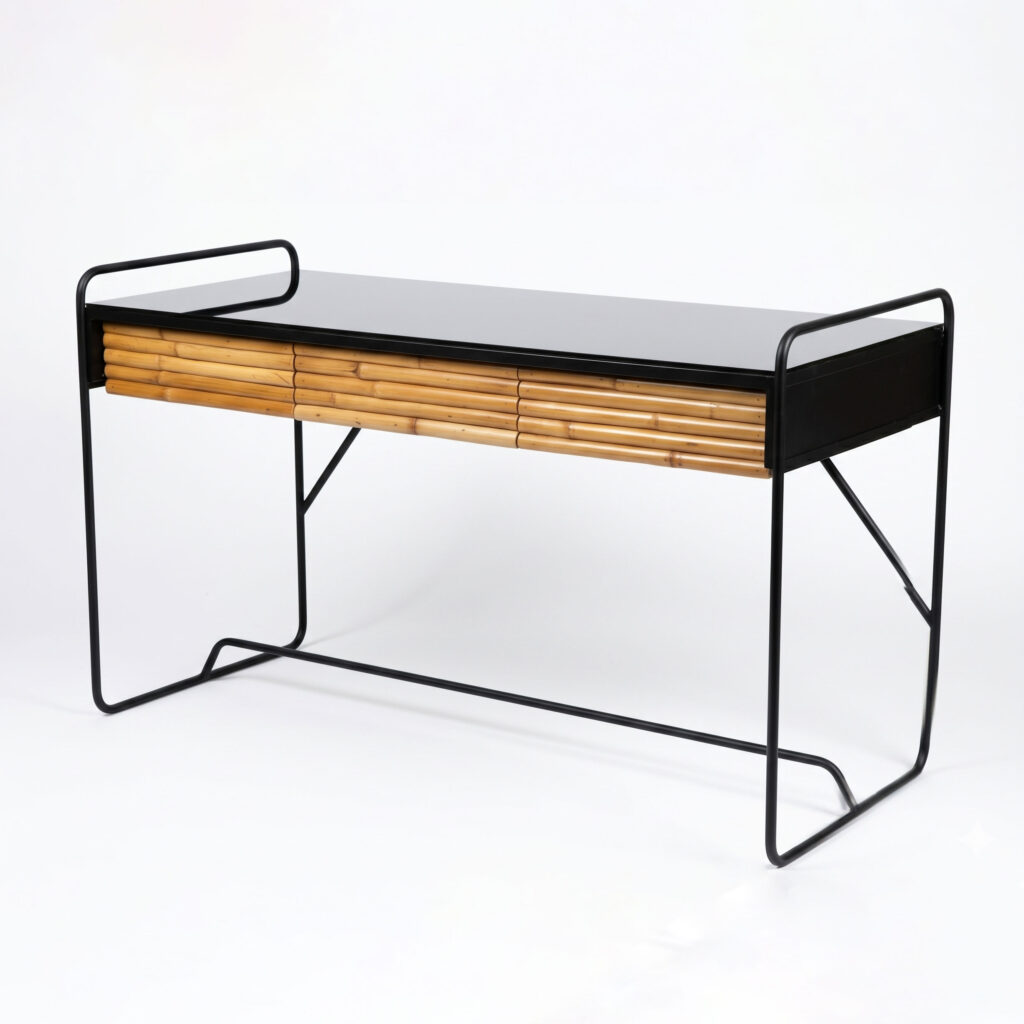
Ritts’ Wroughtan line sits right at the point where casual mid-century furniture began leaning harder into the indoor-outdoor look. The name says exactly what it is: a combination of rattan and wrought iron, marketed as “the perfect symphony of rattan and wrought iron.” It was lightweight, graphic, and modern, with slender black metal frames supporting panels and rolls of warm-toned rattan. The result was furniture that had the relaxed character of tropical rattan, but with a sharper, more architectural profile.
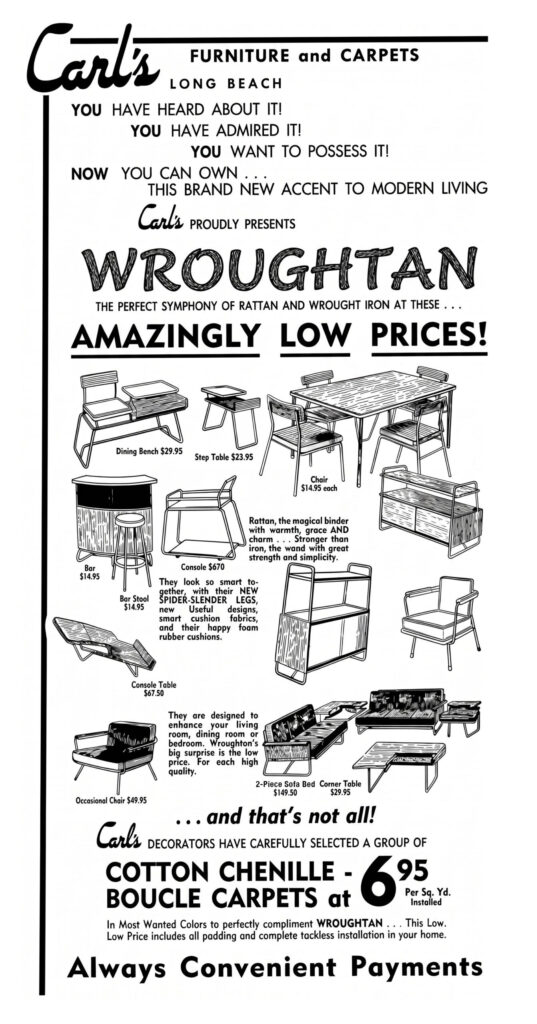
A period advertisement from Carl’s Furniture and Carpets in Long Beach promoted Wroughtan as a “brand new accent to modern living,” emphasizing its “spider-slender legs,” foam rubber cushions, and low prices. The line included a surprisingly broad range of pieces: dining chairs and benches, occasional chairs, step tables, consoles, bar furniture, sofas, corner tables, and storage pieces. It was clearly intended as more than porch furniture. The ad describes it as suitable for the living room, dining room, or bedroom, which says a lot about how rattan was being repositioned in the postwar period—not just as patio or sunroom furniture, but as a fashionable modern accent for the whole house.
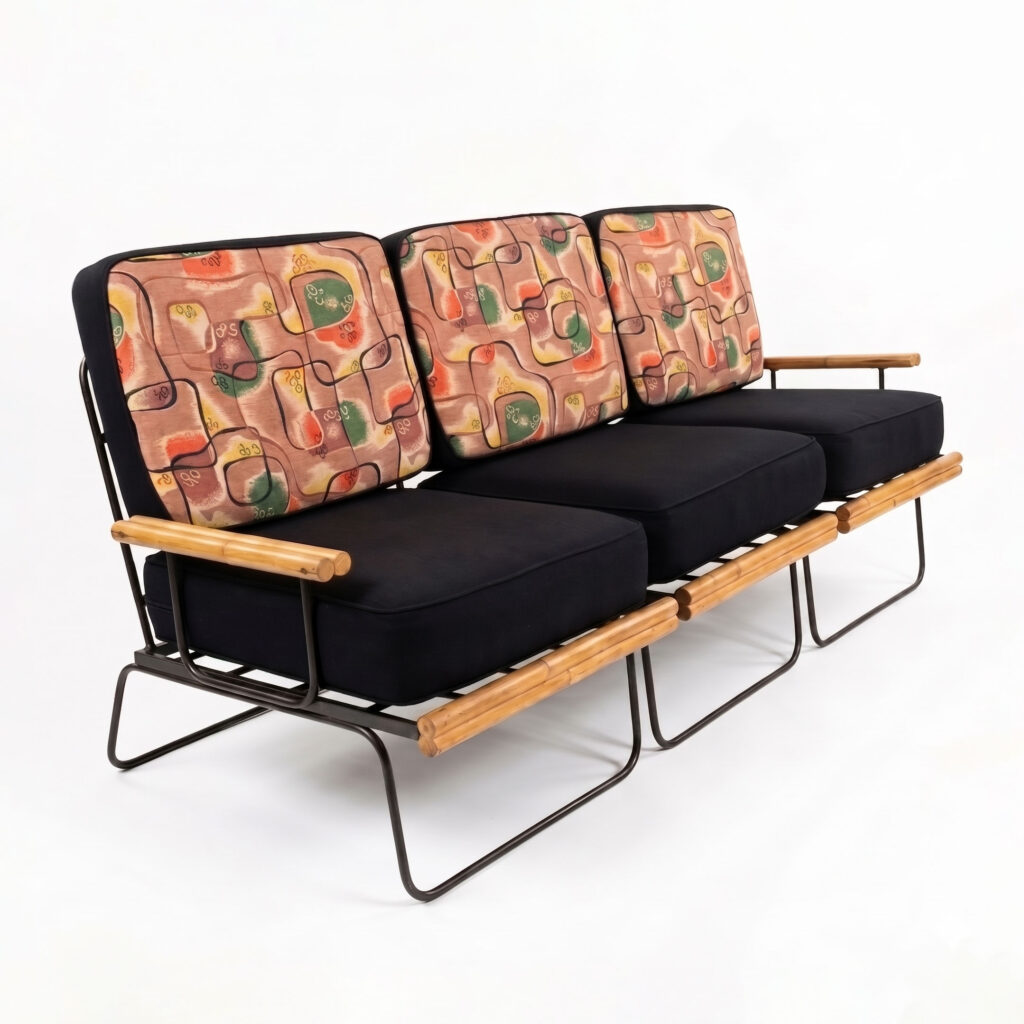
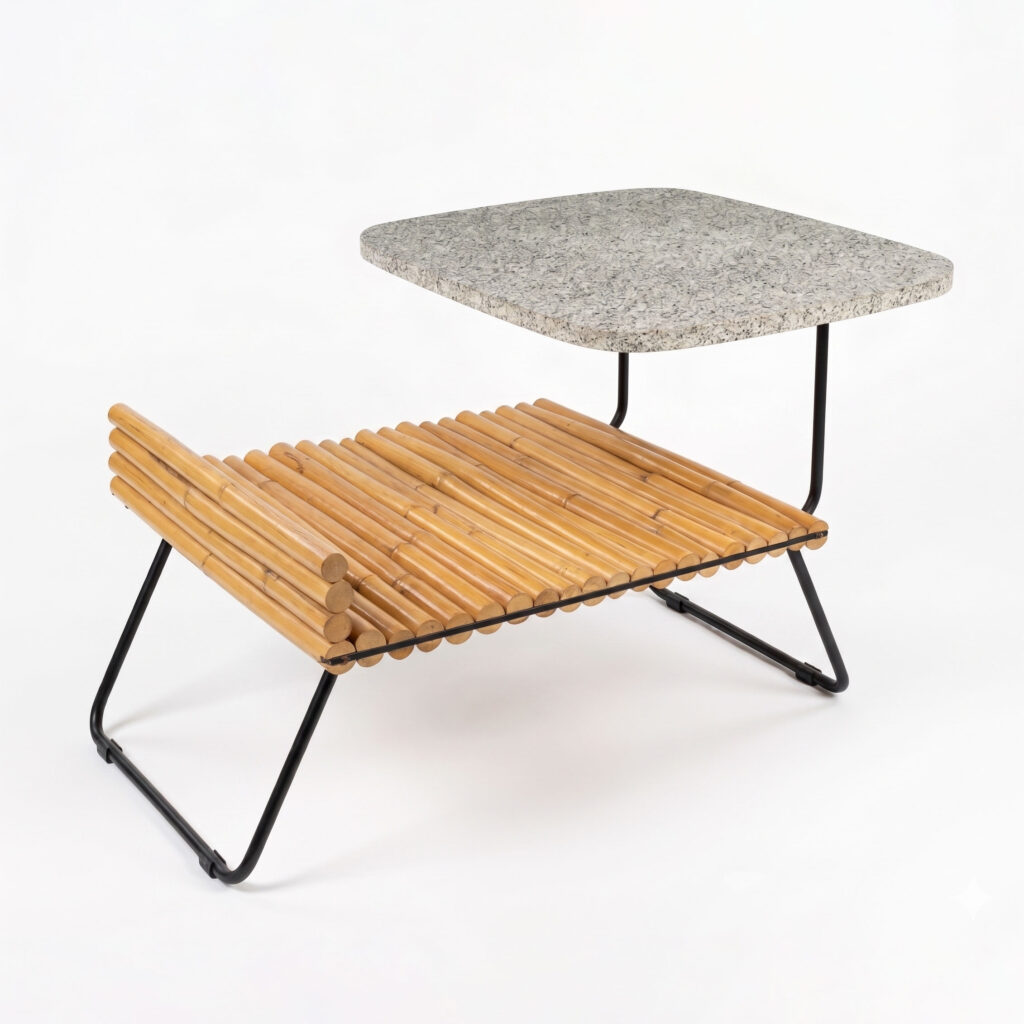
The images illustrate the appeal: The black iron frame creates a clean outline, while the stacked rattan rods give the piece texture and warmth. It has a strong 1950s resort feeling, but the construction is simple and almost minimalist. The contrast between the natural rattan and the dark metal frame is what makes it work: casual, but not rustic; playful, but still tailored.
Wroughtan is also interesting because it captures a moment when American furniture makers were experimenting with hybrid materials. Rattan had long been associated with tropical and informal settings, while wrought iron had its own mid-century popularity in patio and decorative furniture. Ritts brought the two together in a way that felt fresh, inexpensive, and highly adaptable.